Freezer meals don’t fail because of recipes – they fail because of technique. This guide is for beginners and explains how to freeze meals properly so they still taste good after reheating.
How to Freeze Meals So They Still Taste Good (Quick Answer)
Freezing your meals is easy if you follow a simple process:
- Cool food before freezing
- Use airtight containers
- Portion meals individually
- Use freezer-friendly ingredients
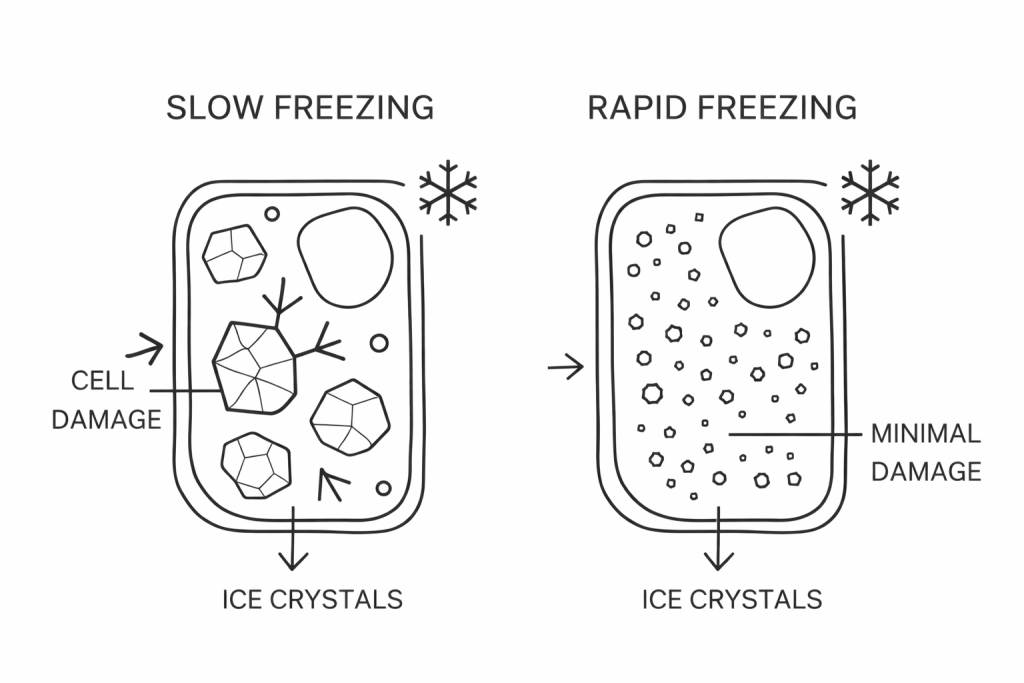
- Freeze meals quickly
- Reheat gently with some moisture retained
Disclosure: This article may contain affiliate links. As an Amazon Associate, I earn from qualifying purchases at no extra cost to you.
Freezing Your Own Meal Prep
Buying freezer meals is expensive—it’s the cost of convenience and healthy ready-to-eat food. Making freezer meals at home makes sense, but many people run into problems because of a few common, easy-to-fix mistakes. Freezer meals usually fail when the wrong ingredients are paired with the wrong cooking and freezing techniques. In this guide, you’ll learn what to cook, how to cook it, how to freeze it properly, and how to enjoy it later without sacrificing flavor or texture.
Want a complete freezer meal system? Get the free blueprint.
Common Freezer Meal Mistakes
The most common freezer mistakes are easier to fix than you might think, once you know what to look for. Remember, this process involves extreme temperature changes: food goes from hot to cold and back to hot again. Some foods can lose texture, flavour, or appeal if this isn’t done properly. To make the best-tasting frozen meals, avoid these mistakes:
Most Common Mistakes
• Placing food in containers while still hot
• Overcooking vegetables
• Using water-rich vegetables like lettuce or cucumbers
• Topping meals with dairy, like sour cream, before freezing
• Using thin or low-quality plastic containers
• Using containers that aren’t airtight
• Leaving pieces of protein whole (like steak or chicken) instead of portioning
• Underutilizing sauces
• Under-seasoning meals
• Reheating too quickly
Avoiding these common pitfalls is one step closer to freezer meals that taste fresh and delicious.
Best Containers for Freezing Your Meals
Having the right container for a frozen meal is one of the most controllable variables in this process. Use the wrong container and you can end up with freezer burn, crushed meals, altered taste, or even a leaky mess. Here’s what works best for freezer cooking:
• Glass containers with airtight lids – reusable, durable, safe, and prevent microplastics
• Thick, freezer-safe plastic containers – lightweight and stackable if you don’t want glass
• Portion size matters – small, individual portions freeze and reheat better than one giant container
• Stackable containers – maximize freezer space and keep meals organized
• Labeling is key – write the date, contents, and any reheating instructions directly on the container
Using the right containers doesn’t just make your freezer look organized—it preserves texture, flavor, and moisture so your meals taste almost as good as fresh.
These are the containers and tools I personally use, they hit all the specs for the freezer meal system.
View containers and tools I personally use.
How to Freeze Meals Step-by-Step
Now that you know which mistakes to avoid and which containers to use, let’s go through the basic steps for freezing a meal. Assume your meal is cooked and ready for portioning.
1. Separate your components – divide your protein, vegetables, and starch into separate batches.
2. Cool to room temperature – allow each batch to cool completely in the fridge. During this process, some foods may release moisture that pools at the bottom; cooling helps prevent excess water in your frozen meals.
3. Prepare your containers – organize your glass containers and plan your portion sizes.
4. Layer the starch – begin with a base layer of starch, or divide your starch, protein, and vegetables into rows depending on the meal.
5. Add vegetables – place your cooked vegetables on top of or next to the starch, depending on your layout.
6. Add protein – add your protein portion.
7. Add sauces or seasonings – include freezer safe sauces or last-minute seasonings to lock in flavor.
8. Seal and label – add an airtight lid and label each container with the date and contents.
9. Freeze – place the containers flat in the freezer for faster and more even freezing.
Tip: Proper cooling before freezing reduces moisture and ensures your meals reheat with the best texture and flavor.
Stop guessing. Build freezer meals that freeze and reheat perfectly.
How to Reheat Frozen Meals Properly
It’s time to eat, and your frozen meal is ready to go. Before you dig in, follow these tips to reheat it without sacrificing flavor or texture:
• Thaw first if possible – remove your meal from the freezer and let it sit in the fridge for a few hours before reheating.
• Cold lunch bag option – if you’re on the go, a meal can sit in a cold lunch bag for a few hours before reheating.
• Microwave carefully – warm the meal in the microwave for a few minutes. Avoid overcooking, which can dry out your food.
• Keep some moisture – if reheating longer, remove the lid but leave it slightly on top to trap moisture while heating.
No fridge? No problem. If thawing isn’t possible, a properly frozen meal can go straight into the microwave and still come out tasty.
Final Thoughts
Freezing meals is simple when you know the common mistakes to avoid, which containers to use, and how to reheat them properly. Now, the convenience, health, and financial benefits of homemade freezer meals are fully at your fingertips.
Looking for the tools behind this system?
View Recommended Tools
About the Author
Here at Cook Once Eat Later we share freezer meal recipes, meal prep systems, and practical freezing guides designed to help busy people save time without sacrificing flavor. Our focus is helping meals retain their texture, moisture, and quality long after they’ve been frozen.
Follow Cook Once Eat Later on Instagram for freezer meal tips, recipes, and meal prep inspiration.
FAQ
Why do some freezer meals taste bad after reheating?
Most freezer meals lose flavor or texture because of poor preparation before freezing. Common issues include freezing food while it is still hot, overcooking vegetables, under-seasoning meals, or using containers that allow air to reach the food. Proper cooling, seasoning, and airtight storage help preserve flavor.
Should food be cooled before freezing?
Yes. Food should always be cooled to room temperature before freezing. Placing hot food directly into containers traps steam and moisture, which can lead to soggy textures and uneven freezing.
What foods freeze the best?
Meals that include a combination of protein, starch, vegetables, and sauce tend to freeze the best. Rice dishes, pasta with sauce, stews, casseroles, and seasoned meats typically maintain their flavor and structure well after freezing and reheating.
What foods should not be frozen in freezer meals?
Certain foods lose their texture when frozen and should be added fresh after reheating. These include:
• Lettuce
• Cucumbers
• Sour cream
• Yogurt-based sauces
• Soft cheeses
• Fresh herbs used as toppings
These ingredients contain a lot of water or delicate proteins that break down during freezing.
What containers are best for freezing meals?
The best containers for freezer meals are airtight containers made of glass or thick freezer-safe plastic. Airtight lids help prevent freezer burn and protect food from absorbing odors from the freezer.
How long can homemade freezer meals last?
For best flavor and texture, homemade freezer meals should be eaten within 2–3 months. While food can remain safe for longer periods, quality gradually declines over time.
Is it better to thaw freezer meals before reheating?
Thawing a frozen meal in the refrigerator for several hours allows it to reheat more evenly and reduces the chance of overcooking or drying out the food. However, many freezer meals can still be reheated directly from frozen if needed.
How can you prevent freezer burn?
Freezer burn happens when food is exposed to cold air inside the freezer. Using airtight containers, cooling food before freezing, and filling containers properly helps reduce the risk of freezer burn.