Chicken and rice is one of the most popular freezer meal combinations for a reason. It’s affordable, simple to prepare, and endlessly customizable. The problem? It’s also one of the easiest meals to dry out if you don’t freeze and reheat it properly. With the right techniques, chicken and rice can be one of the most reliable freezer meals in your rotation.
How to Freeze Chicken and Rice Without It Drying Out (Quick Answer)
To freeze chicken and rice without drying it out, follow these guidelines:
- Use chicken thighs for the best moisture and flavor
- If using chicken breast, slice it into smaller pieces before freezing
- Slightly undercook rice so it finishes during reheating
- Let chicken and rice cool fully before freezing
- Add a light sauce to protect moisture and texture
- Use airtight containers to reduce freezer burn
- Reheat slowly with the lid partially on to trap steam
- Stir midway through reheating for even heat
With the right cut of chicken, proper rice texture, and moisture control, chicken and rice becomes one of the best freezer meals to prep ahead.
Disclosure: This article may contain affiliate links. As an Amazon Associate, I earn from qualifying purchases at no extra cost to you.
Chicken and Rice as a Freezer Meal
Chicken and rice is a classic go-to freezer meal prep option. It’s affordable, easy to make, and versatile. The issue is that chicken and rice can turn dry quickly — especially if you don’t freeze or reheat it properly.
It’s not mission impossible. It just takes a little know-how and control over the process.
Why Chicken and Rice Often Fails in the Freezer
Chicken and rice usually fails for simple, preventable reasons.
Lean proteins like chicken breast are more susceptible to drying out because they lack fat. Uneven heating can leave your rice hot while your chicken stays cold. Overheating dries everything out. Poor containers allow cold air exposure and increase freezer burn risk. And perhaps most importantly, many versions of this dish lack sauce — which is critical for freezer success.
The meal itself isn’t flawed. It just needs to be structured properly.
Choosing the Right Chicken Cut
There is a big difference between chicken breast and chicken thigh.
If both are cooked the same way, the thigh will almost always be more tender and flavorful. Thighs, drumsticks, and wings contain more fat and darker meat, which helps them retain moisture through freezing and reheating.
That doesn’t mean you should avoid chicken breast when you’re shopping for freezer meal ingredients. It’s popular for a reason. But if you use it, technique matters:
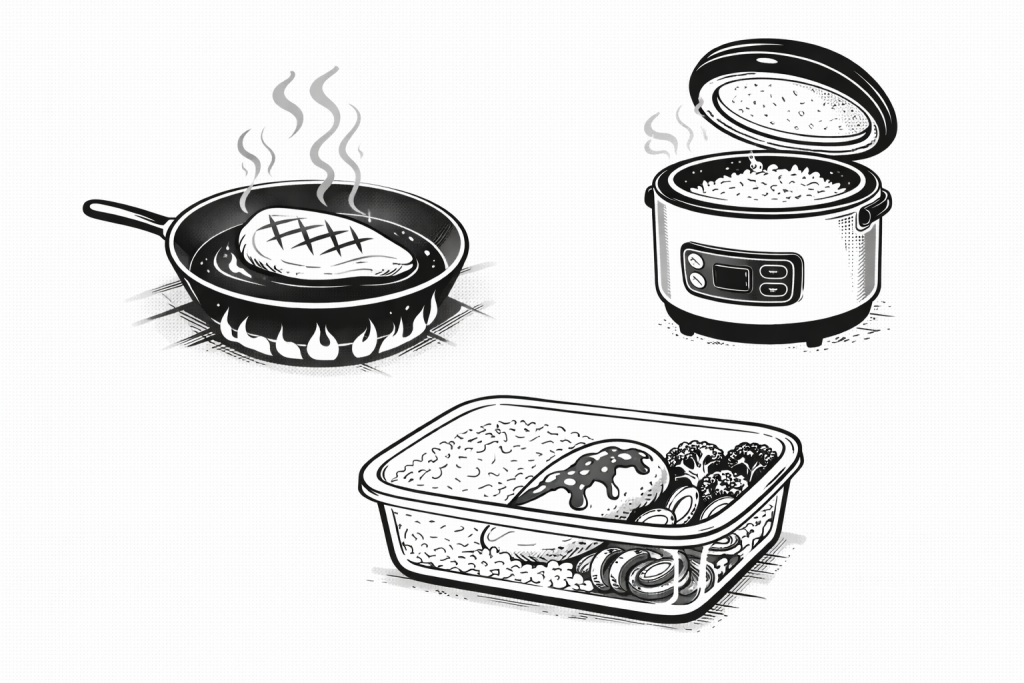
• Sear to develop flavor and help retain moisture
• Slice into strips or smaller pieces before freezing to prevent chewy bites
• Season generously — seasoning fades slightly after reheating
Remember, technique can compensate for leaner cuts.
Cooking Rice for Freezer Success
Rice is simple once you understand the details.
Start by rinsing thoroughly until the water runs clear. Excess surface starch can cause texture issues during freezing and reheating.
Like vegetables, slightly undercook your rice. It will finish cooking when reheated. If you overcook it initially, it can turn mushy later.
Cool rice properly before portioning. Moisture pooling at the bottom of your container creates ice crystals and uneven reheating. Any moisture in the dish should be intentional — not accidental.
Sauce plays a role here too. Rice absorbs liquid easily. A light coating works well. Too much thin sauce can overwhelm texture.
The Sauce Factor (Critical)
Sauce is a structural component of freezer meals.
It acts as a protective layer that limits cold air exposure and helps preserve texture and flavor. When working with rice, sauce also prevents dryness during reheating.
The key is control:
• Thin sauces should lightly coat the rice to prevent pooling
• Thicker sauces can be layered on top to act as a protective barrier
• Too much liquid increases the risk of texture loss
Balanced properly, sauce gives you control over moisture and reheating success.
Portioning and Container Strategy
Portion size and container structure matter more than most people realize.
Aim for:
• Roughly 22 oz capacity
• Around 2.5 inches in depth
• Evenly dispersed food rather than thick blocks
This minimizes headspace and cold air exposure, improves reheating consistency, and supports portion control. Having the right container from the start allows everything else to fall into place.
These are the containers I personally use, they hit all the recommended specs for freezer meals:
View the containers I personally use.
Reheating Without Drying It Out
Reheating is part of the cooking process.
Whenever possible, thaw before reheating. This reduces total heat exposure time and improves even heating.
Start reheating with a lid slightly on to trap moisture and allow heat to distribute evenly. Then remove the lid later in the process to release excess moisture if needed.
Stir or redistribute components during reheating to eliminate hot and cold spots. The key is to control heat, control speed, and to control moisture.
Stop guessing. Build freezer meals that freeze and reheat perfectly.
Common Mistakes to Avoid
Chicken and rice works perfectly as a freezer meal — if you avoid these common mistakes:
• Freezing whole chicken breasts without slicing
• Overcooking rice before freezing
• Skipping sauce
• Using thin or poorly sealed containers
• Reheating too quickly
• Forgetting to use a lid while reheating
These are small details, but they make a major difference.
Final Thoughts
Chicken and rice deserves a place in your freezer meal rotation. It’s affordable, customizable, and built on simple components: protein, starch, vegetables, and sauce.
When done carelessly, it dries out.
When done intentionally, it works every time and lasts in your freezer.
Control your cut of chicken.
Cook your rice properly.
Use sauce strategically.
Choose the right container.
Reheat with purpose.
Master those steps, and chicken and rice becomes one of the most reliable freezer meals you can make.
Looking for the tools behind this system?
View Recommended Tools
About the Author
Here at Cook Once Eat Later we share freezer meal recipes, meal prep systems, and practical freezing guides designed to help busy people save time without sacrificing flavor. Our focus is helping meals retain their texture, moisture, and quality long after they’ve been frozen.
Follow Cook Once Eat Later on Instagram for freezer meal tips, recipes, and meal prep inspiration.
FAQ
Can you freeze chicken and rice together?
Yes. Chicken and rice freeze well together when they are prepared properly. The key is controlling moisture and structure by slicing the chicken into smaller pieces, slightly undercooking the rice, and including a sauce to help protect texture during freezing and reheating.
Why does chicken get dry in freezer meals?
Chicken often dries out because it is lean and easily loses moisture during reheating. Overcooking before freezing, reheating too quickly, or skipping sauce are the most common reasons chicken becomes dry in freezer meals.
Should rice be fully cooked before freezing?
Rice should be slightly undercooked before freezing. This allows the reheating process to finish cooking it. Fully cooked rice can become soft or mushy when reheated.
What type of chicken works best for freezer meals?
Chicken thighs tend to freeze and reheat better because they contain more fat, which helps retain moisture. Chicken breast can still work well if it is sliced into smaller pieces and cooked carefully.
Does sauce help chicken and rice freeze better?
Yes. Sauce helps protect the meal by adding moisture and creating a barrier that reduces air exposure. Meals that include sauce generally reheat with better texture and flavor.
Should chicken be sliced before freezing?
Yes. Slicing chicken into strips or bite-sized pieces before freezing helps it reheat more evenly and prevents large, chewy pieces after reheating.
Is it better to thaw chicken and rice before reheating?
Whenever possible, thawing in the refrigerator for a few hours helps the meal reheat more evenly. However, chicken and rice can still be reheated directly from frozen if heat is applied slowly and moisture is controlled.
What container works best for freezing chicken and rice?
A shallow container with an airtight lid works best. Containers that hold around 20–24 ounces and are no deeper than about 2.5 inches help promote even freezing and reheating.