Ground beef is one of the most versatile and affordable proteins for freezer meal prep. It works in pasta sauces, taco bowls, shepherd’s pie, meatballs, and countless other meals. The problem is that ground beef can turn dry, crumbly, or rubbery if it’s frozen and reheated incorrectly. The good news is that texture loss is preventable. With the right fat ratio, cooking method, sauce strategy, and reheating control, ground beef can freeze and reheat beautifully.
How to Freeze Cooked Ground Beef Without Losing Texture (Quick Answer)
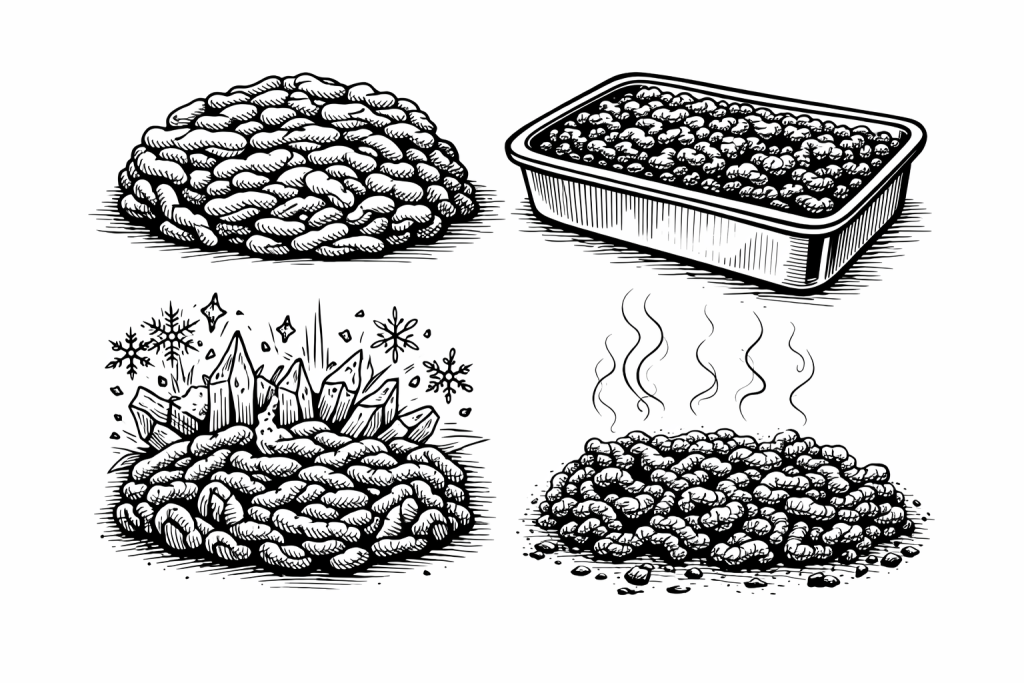
To Freezer cooked ground beef make sure to keep it tender and flavorful, use the right fat ratio, cook it properly, cool it fully, and freeze it with moisture from sauce or seasoning.
- Best fat ratio for freezer meals: 85/15 or 80/20 for balanced moisture and flavor
- Brown first, don’t overcook since reheating finishes the cooking process
- Use sauce when possible to coat the beef and reduce dryness after freezing
- Cool completely before freezing to prevent condensation and ice crystals
- Portion evenly instead of freezing in thick packed clusters
- Reheat covered first to trap steam, then uncover near the end
- Avoid extra lean beef alone unless adding moisture from sauce or broth
Disclosure: This article may contain affiliate links. As an Amazon Associate, I earn from qualifying purchases at no extra cost to you.
Freezing Cooked Ground Beef
Ground beef is affordable, filling, high in protein, and extremely versatile. It’s a staple in freezer meal prep for good reason.
The problem? If frozen and reheated incorrectly, ground beef can turn dry, crumbly, rubbery, or bland. The good news is that this isn’t a flaw in the ingredient — it’s a technique issue. When handled properly, ground beef freezes and reheats exceptionally well.
Want a complete freezer meal system? Get the free blueprint.
Why Ground Beef Changes Texture After Freezing
Freezing and reheating ground beef affects its structure in predictable ways.
When moisture inside the meat freezes, it forms ice crystals. These crystals can damage muscle fibers and cause moisture loss during reheating. In addition, exposure to cold air can lead to dehydration and freezer burn, which further dries out the meat.
Texture problems are rarely about the beef itself — they’re usually the result of:
• Air exposure
• Improper fat ratio
• Overcooking before freezing
• Aggressive reheating
When you control those variables, ground beef becomes one of the most freezer-friendly proteins available.
Choosing the Right Ground Beef (Fat Ratio Matters)
Success starts at the grocery store, buying the right product is building the right foundation for your meal.
Fat plays a critical role in how ground beef holds up in the freezer. Too lean, and the meat can dry out quickly. Too fatty, and excess fat can oxidize over time, potentially affecting flavor if stored too long.
For freezer meals, aim for:
• Lean to medium ground beef (around 85/15 or 80/20)
Lean beef can still work well, but it requires more attention to cooking technique and sauce use. Medium ground beef offers more built-in protection against dryness because the fat helps preserve moisture during freezing and reheating.
Balance is key.
Cooking Strategy Before Freezing
How you cook ground beef before freezing depends on how it will be used.
Most freezer meals use ground beef in one of two ways:
1. Cooked loose and mixed into a sauce (bolognese, taco beef, shepherd’s pie filling)
2. Mixed and shaped (meatballs, meatloaf, patties)
If cooking it loose for sauce-based meals, start by browning over medium-high heat. This develops the Maillard reaction — the browning process that builds flavor and texture. Browning first creates a strong foundation before adding sauce.
Avoid overcooking. Remember, the beef will be reheated later. Slightly undercooking protects texture and prevents dryness.
If shaping the beef (meatballs or meatloaf), sear the exterior first to develop a crust, then reduce the heat to finish gently. This maintains structure while preserving moisture.
Always:
• Season thoroughly (flavor fades slightly after freezing)
• Avoid cooking until dry
• Think of reheating as part of the total cooking process
Sauce Strategy (Critical for Ground Beef)
Ground beef and sauce go hand in hand in freezer meals.
If you freeze ground beef on its own, you risk dry, crumbly pieces due to its large surface area. That exposure makes it more vulnerable to moisture loss and freezer burn.
Cooking ground beef directly into a sauce creates protection. The sauce coats the meat, limits air exposure, and helps preserve moisture during freezing and reheating.
Freezer-friendly sauce bases include:
• Tomato-based sauces
• Broth-based sauces
• Light gravy-style sauces
• Taco-seasoned blends with added moisture
The sauce should coat the beef without making it watery. Think cohesive, not soupy.
Cooling & Portioning Strategy
Reheating ground beef successfully starts before it ever goes into the freezer.
No matter how it’s prepared, it must cool completely before portioning. Cooling prevents excess condensation inside the container, which can cause pooling and uneven reheating later.
When portioning:
• Slice meatloaf before freezing
• Freeze meatballs in manageable sizes
• Spread loose beef evenly instead of packing into thick clusters
Even distribution ensures faster, more controlled reheating and prevents the outside from drying while the center remains cold.
Structure before freezing determines texture after reheating.
Stop guessing. Build freezer meals that freeze and reheat perfectly.
Reheating Without Drying It Out
Ground beef reheats well when heat and moisture are controlled intentionally.
Follow these steps:
• Thaw first if possible
• Heat covered initially to trap steam
• Stir halfway through if practical
• Remove the lid near the end to release excess moisture
Because ground beef has a large surface area once cooked, it can dry quickly if overheated. Controlled reheating preserves texture and flavor.
Common Ground Beef Freezer Mistakes
Ground beef requires slightly different handling than whole cuts of meat.
Avoid these common mistakes:
• Using extra lean beef without added moisture
• Using very high-fat beef that oxidizes over time
• Overcooking before freezing
• Skipping browning
• Draining all fat without considering texture
• Freezing while still hot
• Reheating aggressively
Most texture problems are caused by technique — not freezing.
Final Thoughts
Ground beef is one of the most adaptable freezer meal proteins available. It’s affordable, versatile, and ideal for batch cooking.
When you control fat content, develop proper browning, use sauce strategically, and manage reheating carefully, texture loss becomes avoidable.
In the end, it’s not the freezer that ruins ground beef — it’s a lack of structure and control.
Handled correctly, ground beef freezes and reheats exceptionally well.
Looking for the tools behind this system?
View Recommended Tools
About the Author
Here at Cook Once Eat Later we share freezer meal recipes, meal prep systems, and practical freezing guides designed to help busy people save time without sacrificing flavor. Our focus is helping meals retain their texture, moisture, and quality long after they’ve been frozen.
Follow Cook Once Eat Later on Instagram for freezer meal tips, recipes, and meal prep inspiration.
FAQ
Can you freeze cooked ground beef?
Yes. Cooked ground beef freezes very well when cooled properly and stored in airtight containers. Freezing the beef with sauce or broth can help preserve moisture and maintain texture during reheating.
View the exact container I use here.
Why does frozen ground beef sometimes get dry?
Ground beef can become dry if it is overcooked before freezing or reheated too aggressively. Lean beef is also more prone to dryness because it contains less fat to protect moisture within the meat fibers.
What fat ratio is best for freezing ground beef?
Ground beef with a fat ratio of 80/20 or 85/15 typically freezes and reheats best. These ratios provide enough fat to retain moisture without becoming overly greasy during storage or reheating.
Should ground beef be frozen with sauce?
Yes. Freezing ground beef with sauce helps coat the meat and reduce exposure to air. The sauce protects moisture and improves texture when the meal is reheated.
How long does cooked ground beef last in the freezer?
For best texture and flavor, cooked ground beef should ideally be used within 3–4 months. While it may remain safe longer if stored properly, quality gradually declines over time.
1 comment
Comments are closed.