
By Cook Once. Eat Later. • Updated August 24, 2026
Ground turkey is lean, affordable, and popular for healthy meal prep — but it has a reputation for being dry, especially after freezing and reheating. The truth is, it’s not the protein that’s the problem. It’s the technique. When you control fat content, moisture, and reheating properly, ground turkey becomes one of the most versatile freezer meal proteins you can use.
How to Freeze Ground Turkey Without Drying It Out (Quick Answer)
To freeze ground turkey without drying it out, you need to use enough fat, add moisture (like sauce), and avoid overcooking before freezing. Because it’s lean, ground turkey requires more control to retain texture during reheating.
- Use ground turkey around 93% lean (7% fat) for better moisture
- Brown lightly, but don’t cook until dry
- Always combine with a sauce or moisture source
- Cool completely before freezing to prevent condensation
- Portion evenly and store in airtight containers
- Reheat gently using controlled steam (lid on, then off)
When fat, moisture, and heat are controlled, ground turkey freezes and reheats without becoming dry or crumbly.
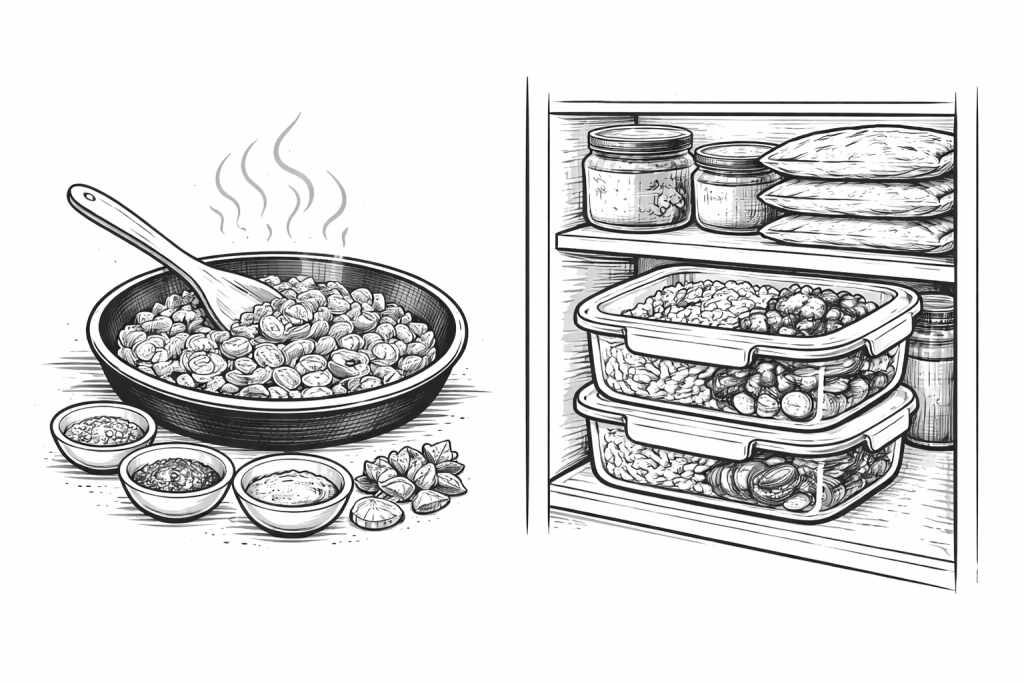
Disclosure: This article may contain affiliate links. As an Amazon Associate, I earn from qualifying purchases at no extra cost to you.
Ground Turkey for Freezer Meal Prep
Ground turkey is often viewed as a healthier alternative to other protein options. It’s lean, affordable, and easy to use in a variety of freezer meals. The issue many people run into is dryness — and when you add freezing and reheating into the process, that problem can multiply quickly.
The good news is that ground turkey doesn’t have to be dry. With the right structure and technique, it can be just as reliable and satisfying as any other protein in your freezer meal rotation.
Want freezer meals that actually reheat properly? Get the free blueprint.
Why Ground Turkey Dries Out So Easily
Ground turkey is naturally lean. That lower fat content removes the built-in moisture buffer you get with other proteins like ground beef. Fat helps retain moisture during cooking and reheating — and when it’s limited, there’s less room for error.
When you put a lean protein like ground turkey through the freezer meal process, any small mistake becomes amplified. Overcooking, freezing while hot, or reheating too aggressively can quickly lead to dryness.
Ground turkey isn’t a bad option. It simply offers a smaller margin for error, which means it requires more control and intentional technique.
Choosing the Right Ground Turkey
When shopping for ground turkey for freezer meals, fat content matters.
Most people choose ground turkey because it’s lean and neutral in flavor. However, fat plays an important role in reheating quality. It helps preserve moisture and carry flavor — especially after freezing.
For freezer meals, aim for ground turkey with at least 7% fat (typically labeled 93% lean). Leaner options like 99% will work, but they require much tighter control with sauce, seasoning, and cooking technique. The leaner the protein, the smaller the margin for error.
When possible, choose fresh over previously frozen ground turkey. Starting with fresh meat gives you full control over the cooking process and avoids putting the protein through an unnecessary extra freeze cycle. That added control improves texture and overall quality when reheated.
Cooking Strategy Before Freezing
There are two primary ways to prepare ground turkey for freezer meals.
Option A: Crumbled and Sauced
This is the most common method. The key is to brown the turkey properly and develop a light Maillard reaction. Browning builds flavor and creates a more stable texture that holds up better during freezing and reheating.
Lightly salting the turkey at the beginning can help draw out surface moisture and encourage browning. However, final seasoning should be adjusted after the turkey has browned to preserve flavor balance.
Once browned, combine the turkey with sauce while it’s still moist — not dry. Lean proteins should never be cooked to the point of crumbling dryness before freezing.
Option B: Formed (Meatballs or Patties)
The second approach is forming the turkey into meatballs or patties. In this case, the turkey is mixed with binders such as egg, breadcrumbs, grated onion, or other moisture-retaining ingredients.
These additions help:
• Hold the mixture together
• Retain internal moisture
• Build layered flavor
Searing the exterior creates a light crust, which locks in moisture and strengthens structure before freezing. Finish cooking gently — avoid overcooking before the freezer stage.
With both methods, season generously and intentionally. Flavor softens during freezing and reheating, so proper seasoning at the cooking stage is essential.
Sauce Strategy (Critical for Lean Proteins)
All foods — especially lean proteins — risk drying out during the freezer meal process. Sauce acts as moisture insurance.
Ground turkey, being lower in fat, lacks the natural protection that fattier proteins provide. Pairing it with a properly structured sauce adds both flavor and a protective barrier against moisture loss.
Tomato-based sauces work well because of their stability. Broth-based sauces can work too, but they benefit from added fat or slight thickening.
If you’re using a dry seasoning blend — such as taco seasoning — consider adding a small amount of flour or starch along with broth or water to create a light thickened coating. This allows the seasoning to bind to the turkey instead of drying out during reheating.
Lean protein requires structure. Sauce provides that structure.
Cooling & Portioning Strategy
Cooling and portioning are just as important as how the turkey was cooked.
Ground turkey should always cool completely before being portioned into containers. Trapping heat inside a sealed container creates condensation, which leads to excess moisture pooling at the bottom. That unwanted moisture affects texture and increases the risk of freezer burn.
Once cooled, portion the turkey evenly. Avoid large, dense clusters. Smaller, evenly distributed portions allow the protein to freeze and reheat at a uniform pace.
Minimize headspace in your container. Too much empty room allows cold air to circulate, increasing dehydration risk — especially with lean proteins like turkey.
Use a properly structured container:
• Approximately 22 oz capacity
• No more than 2.5 inches deep
• Glass construction
• Airtight silicone gasket with secure clasps
View the exact container I use here.
Air exposure combined with a lean protein is a fast track to dryness. Proper sealing prevents that issue from developing.
Reheating Without Overcooking
Reheating is your final opportunity to control the outcome of your meal. If handled poorly, even well-prepared ground turkey can dry out.
When possible, thaw the meal before reheating. This reduces the amount of time the protein is exposed to high heat.
Begin reheating with the lid partially covered. This creates controlled steam and gentle pressure, allowing the turkey to warm evenly without immediately drying the surface.
About halfway through, remove the lid and stir if possible. Finish reheating with the lid off to release excess moisture and prevent pooling.
Avoid overheating. Lean proteins cook quickly, and excessive heat is the fastest way to create a dry, crumbly texture.
Reheating is not about cooking again — it’s about finishing carefully.
Stop guessing. Build freezer meals that freeze and reheat perfectly.
Common Ground Turkey Mistakes
Avoiding a few simple mistakes will dramatically improve your results when using ground turkey in freezer meals.
Make sure to avoid:
• Using extra-lean turkey without adjusting your technique
• Overcooking before freezing
• Freezing dry turkey without sauce support
• Reheating aggressively on high heat
• Freezing while still hot
• Using low-quality or poorly sealed containers
Lean proteins leave very little room for error. Attention to detail preserves texture, moisture, and flavor.
Final Thoughts
Ground turkey doesn’t fail because it’s dry — it fails when technique is ignored.
When you control fat content, apply a proper sauce strategy, cook intentionally, and reheat with precision, ground turkey becomes one of the most versatile and reliable proteins for freezer meals.
Like every component in your freezer system, success comes down to structure and control.
Looking for the tools behind this system?
View Recommended Tools
About the Author
Here at Cook Once Eat Later we share freezer meal recipes, meal prep systems, and practical freezing guides designed to help busy people save time without sacrificing flavor. Our focus is helping meals retain their texture, moisture, and quality long after they’ve been frozen.
Follow Cook Once Eat Later on Instagram for freezer meal tips, recipes, and meal prep inspiration.
FAQ
Can you freeze cooked ground turkey without it drying out?
Yes. Ground turkey freezes well when it’s cooked properly and paired with a moisture source like sauce. The key is avoiding overcooking before freezing and using controlled reheating to preserve texture.
Why does ground turkey get dry after freezing?
Ground turkey is naturally lean, which means it has less fat to retain moisture. Freezing and reheating can amplify moisture loss, especially if the turkey is overcooked, frozen without sauce, or reheated too aggressively.
Should you freeze ground turkey raw or cooked?
Both methods work, but cooked ground turkey is more convenient for freezer meals. Cooking it first allows you to control texture, seasoning, and moisture before freezing, leading to better reheating results.
What’s the best fat percentage for freezing ground turkey?
Ground turkey that is around 93% lean (7% fat) works best. Leaner options like 99% can be used, but they require more careful cooking and a strong sauce strategy to prevent dryness.
Do you need to add sauce before freezing ground turkey?
Yes, especially for lean proteins. Sauce helps retain moisture, protect against air exposure, and improve texture during reheating. Freezing ground turkey without any moisture support increases the risk of dryness.
How do you reheat ground turkey without drying it out?
Reheat using controlled steam. Start with the lid partially on to trap moisture, then remove the lid halfway through to release excess steam. Avoid high heat and overcooking.
Can you freeze ground turkey more than once?
It’s not recommended. Repeated freeze–thaw cycles break down the protein structure and increase moisture loss, leading to poor texture when reheated.
How long does cooked ground turkey last in the freezer?
Cooked ground turkey is best used within 2–3 months for optimal texture and flavor, although it remains safe longer if stored properly.
Does ground turkey taste different after freezing?
Flavor can slightly dull after freezing. This is why seasoning properly before freezing is important. Sauce and seasoning help maintain flavor through the reheating process.
What’s the biggest mistake when freezing ground turkey?
Overcooking before freezing. Lean proteins tighten as they cook, and additional heat during reheating will dry them out even further. Slightly undercooking and finishing during reheating produces better results.