The best sauces for freezer meals don’t just add flavor — they help protect texture, reduce moisture loss, and improve how meals reheat. Sauce plays a much bigger role in freezer meals than most people realize. The right sauce base can reduce freezer burn, preserve moisture, and maintain the structure of proteins, vegetables, and starches. Understanding which sauces freeze well — and why — can dramatically improve the quality of your freezer meals.
Best Sauces for Freezer Meals (Quick Answer)
The best sauces for freezer meals are oil-based, tomato-based, soy-based, broth-based, and coconut milk sauces. These sauces help protect food during freezing, reduce moisture loss, and improve texture after reheating.
- Oil-based sauces create a barrier against air exposure
- Tomato-based sauces use acidity to stabilize structure
- Soy-based sauces hold up well when reduced
- Broth-based sauces thickened with fat (roux) stay stable
- Coconut milk sauces provide creaminess without separating
Using the right sauce base helps prevent dryness, preserve texture, and make freezer meals taste better after reheating.
What Are the Best Sauces for Freezer Meals?
Sauce on a freezer meal isn’t just about adding flavor. It acts as insurance that helps protect your meal from cold air exposure, preserving the texture and overall quality of your food.
Certain sauces hold up better than others in the freezer. The base that your sauce is built on will determine how durable it is during freezing and reheating. Some bases naturally resist texture breakdown while others separate or become watery.
There are five reliable sauce bases that consistently perform well in freezer meals. Using these foundations gives you a versatile structure for sauces that can be customized to suit many different dishes.
These five sauces are staples in my freezer and form the foundation of my freezer meal system:
- Chimichurri (oil-based)
- Marinara (tomato-based)
- Sticky soy (soy based)
- Mushroom gravy (roux based)
- Thai coconut (coconut milk based)
Chimichurri (Oil-Based Sauce)
Disclosure: This article may contain affiliate links. As an Amazon Associate, I earn from qualifying purchases at no extra cost to you.
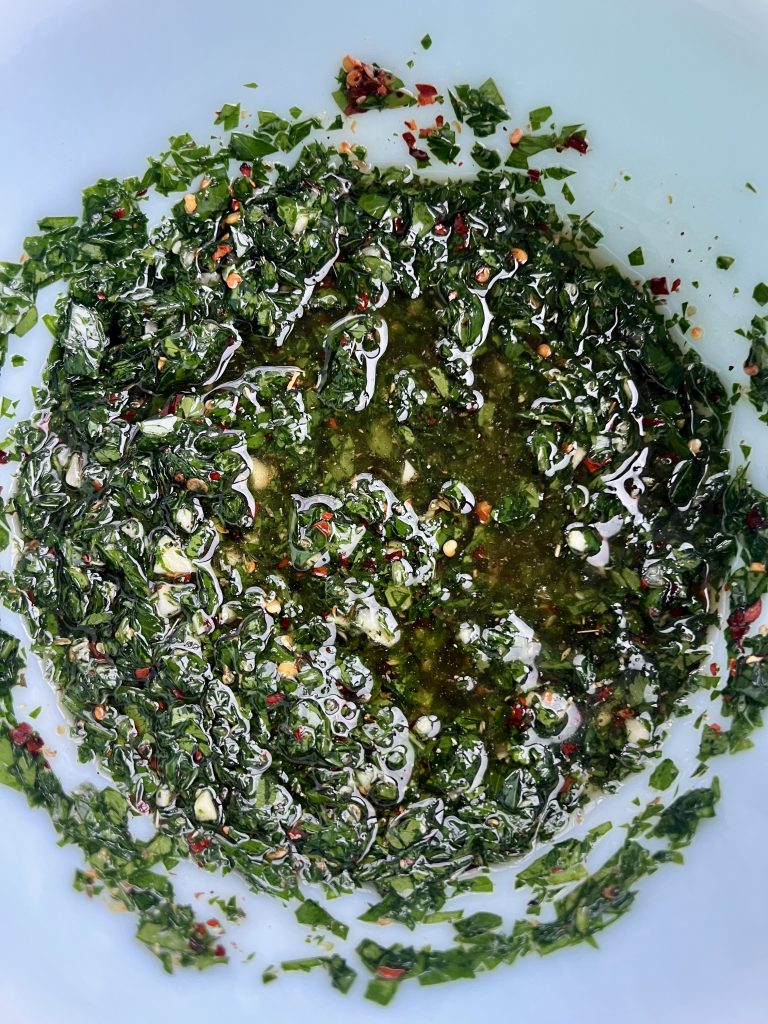
Chimichurri is an Argentinian oil-based sauce made from chopped parsley, garlic, spices, red wine vinegar, and olive oil. Unlike many sauces, it requires no cooking and relies entirely on fresh ingredients and simple preparation.
Get the recipe here:
The Best Chimichurri Recipe (Fresh, Flavorful, and Freezer-Friendly)
There is some interesting science behind why chimichurri works well for freezer meals. The oil forms a barrier that protects the herbs and spices from oxygen exposure, slowing oxidative degradation and helping preserve both color and flavor.
When vinegar is mixed with oil, the combination forms a loose emulsion. The acidity of the vinegar helps discourage bacterial growth while also brightening the flavor of reheated food.
Chimichurri maintains its vibrant color and strong flavor surprisingly well in the freezer when stored properly. It can last several months and works well with a wide variety of foods.
Works well with:
• chicken
• beef
• seafood
• all vegetables
• potatoes
• most starches
Because of its oil base and bold flavor, chimichurri can be used generously across a full meal.
Marinara Sauce (Tomato-Based Sauce)
A classic marinara sauce is one of the simplest tomato-based sauces you can make. In its most basic form, it can be made from tomatoes, garlic, basil, olive oil, and salt.
Behind these simple ingredients is an important advantage for freezer meals. Tomatoes contain natural acidity that helps slow bacterial growth and spoilage.
Reducing the sauce during cooking removes excess water content, creating a thicker sauce. Less free water helps limit the formation of large ice crystals during freezing, which protects food structure and reduces texture breakdown.
Even in its simplest form, marinara is bright and packed with flavor. Another advantage is its versatility. The base can easily be expanded by incorporating cream, proteins, broth, or additional herbs.
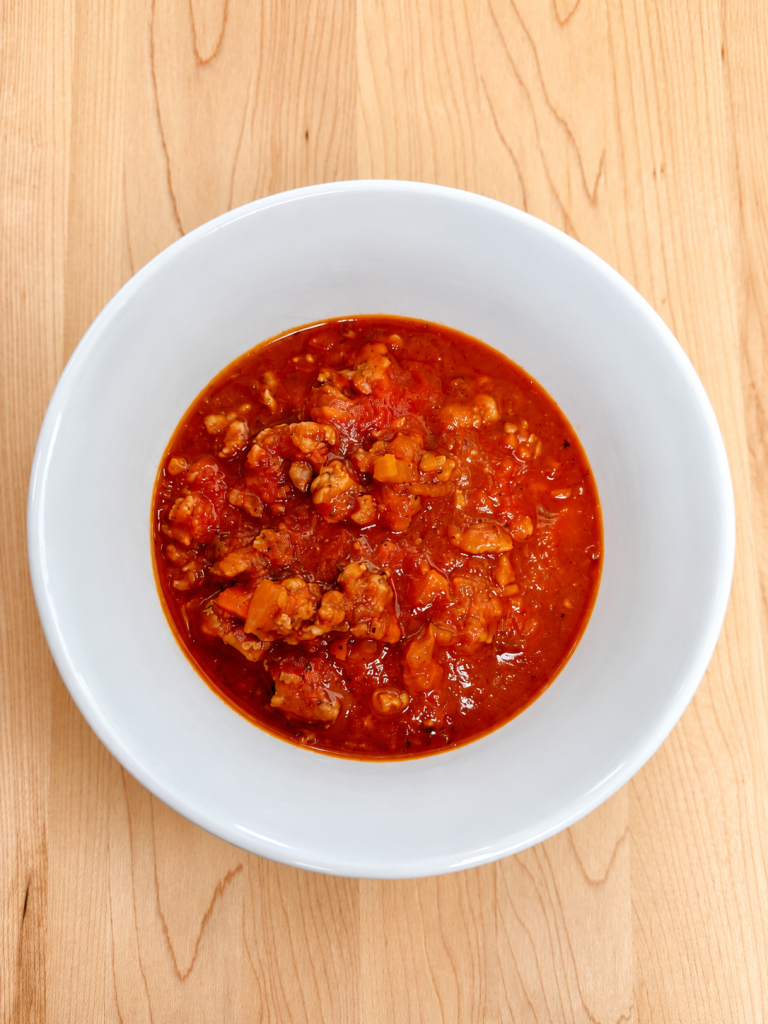
Marinara sauce works well with nearly any protein and can be paired strategically with vegetables and starches. It can also serve as the base for entire dishes such as pasta sauces, braised meals, or stews.
Sticky Sweet Sauce (Soy-Based Sauce)
Sticky sweet sauce is a soy-based sauce that relies on reduction to maintain structure during freezing. It is commonly made with brown sugar, garlic, ginger, soy sauce, rice wine vinegar, and oyster sauce.
Adjusting the balance of these ingredients allows the same base concept to be applied across many different recipes. This sauce works especially well with proteins, vegetables, and rice-based meals.
Reducing the sauce removes excess water and creates a thicker consistency. Lower water content helps limit the formation of large ice crystals during freezing, which protects the texture of the meal.
Soy sauce also contributes to preservation because of its salt content, which helps stabilize flavor during freezer storage.
When properly reduced, sticky sweet sauces freeze well and reheat with a smooth, cohesive texture.
Mushroom Gravy (Roux-Based Sauce)
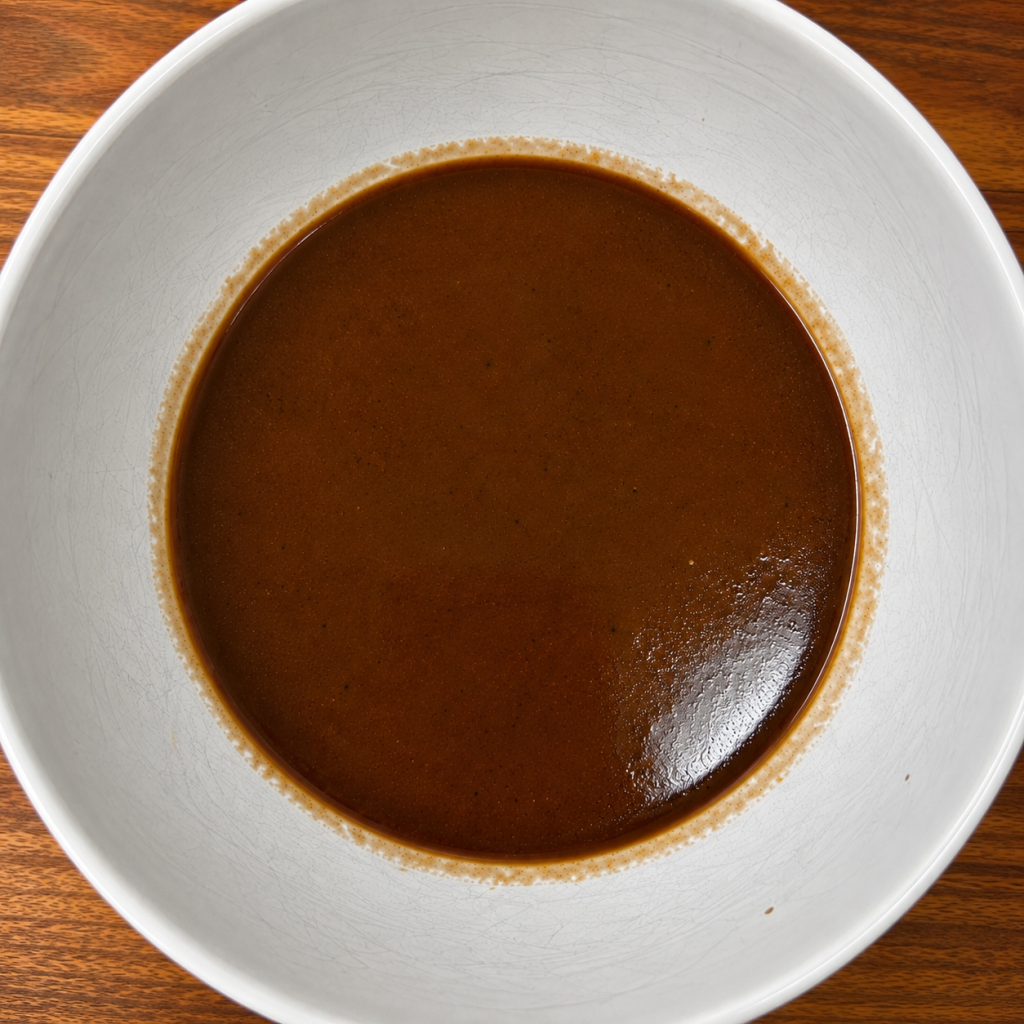
Mushroom gravy is often associated with traditional meals, but it works extremely well in freezer meal preparation.
A simple mushroom gravy can be made with mushrooms, beef broth, butter, and flour. From this base, the same concept can be adapted into a wide range of pan-style sauces.
The key component of this sauce is the roux created by combining butter and flour. A roux thickens the sauce and helps stabilize it during freezing and reheating.
Compared to cornstarch-thickened sauces, roux-based sauces are much more freezer stable. The fat in the roux helps prevent water separation, while cornstarch sauces are more easily disrupted by ice crystals and often become watery when reheated.
Broth-based gravies pair well with many proteins and starches and can be poured over meals to create a protective barrier from cold air exposure. The added fat also helps restore moisture during reheating.
Thai Coconut Sauce (Coconut Milk Sauce)
Thai coconut sauce is creamy and packed with flavor. It is typically made with coconut milk along with ingredients such as ginger, garlic, basil, and chilies.
This sauce works well in stir-fries, noodle dishes, or served over proteins and vegetables.
Coconut milk-based sauces are extremely versatile and can be adapted into curry-style rice dishes or used as alternatives to traditional creamy sauces.
Dairy-based cream sauces often break down in the freezer because milk proteins separate when frozen and reheated. Coconut milk behaves differently. Because it contains no dairy proteins and has a naturally higher fat content, it is more stable during freezing.
The fat helps maintain the sauce’s structure and reduces separation caused by ice crystal formation.
As a result, coconut milk sauces can deliver the same creamy texture while holding together much better during freezing and reheating.
Why Sauces Improve Reheated Meals
Sauce is a critical component in freezer meals because the freezing process can be harsh on food quality. During freezing and reheating, food can lose texture, flavor, or become damaged by freezer burn.
Sauce acts as insurance for your meal. A layer of sauce creates a barrier between the food and cold air exposure, which can otherwise dry out or damage ingredients. This is going to help preserve your meals and allow them to last longer with better falvor.
Food can also lose some seasoning intensity during freezing and reheating. Sauce helps restore flavor while adding moisture back into the meal.
Rather than viewing sauce as a simple condiment, it should be considered a structural component of the freezer meal system.
Want a complete freezer meal system? Get the free blueprint.
Final Thoughts
Freezer meals go through several changes before they are ready to be eaten. A well-chosen sauce helps protect the meal throughout that process while keeping flavor strong after reheating.
These five sauces are staples in my freezer, but more importantly they provide a framework you can use to create your own variations. When sauces are built on stable bases, they help preserve moisture, protect texture, and support the overall structure of freezer meals.
In the end, sauce is not just an addition — it is part of the freezer meal system.
Looking for the tools behind this system?
View Recommended Tools
View the exact container I use here.
About the Author
Here at Cook Once Eat Later we share freezer meal recipes, meal prep systems, and practical freezing guides designed to help busy people save time without sacrificing flavor. Our focus is helping meals retain their texture, moisture, and quality long after they’ve been frozen.
Follow Cook Once Eat Later on Instagram for freezer meal tips, recipes, and meal prep inspiration.
FAQ
What sauces freeze the best?
Sauces with stable bases freeze best. Oil-based sauces, tomato-based sauces, soy-based sauces, roux-thickened gravies, and coconut milk sauces tend to hold their structure and flavor during freezing and reheating.
Why do some sauces break down in the freezer?
Some sauces separate because of their ingredients. Dairy-based sauces and cornstarch-thickened sauces can break apart when ice crystals form during freezing, causing the sauce to become watery after reheating.
Do sauces help prevent freezer burn?
Yes. Sauce can act as a protective layer that reduces air exposure. This barrier helps limit dehydration and freezer burn while preserving moisture in the meal.
Should sauce be added before freezing or after reheating?
In most cases, adding sauce before freezing helps protect the food during storage. The sauce coats the ingredients and helps maintain moisture during reheating.
Can you freeze oil-based sauces like chimichurri?
Yes. Oil-based sauces freeze well because the oil helps protect ingredients from oxidation and moisture loss.