
By Cook Once. Eat Later. • Updated August 24, 2026
The best way to prevent freezer burn is to limit air exposure, remove excess moisture, and keep your freezer temperature consistent. Use airtight containers, remove as much air as possible, cool food before freezing, use freezer friendly ingredients, and avoid repeatedly thawing frozen food. Here’s exactly how to prevent freezer burn and extend the quality of your freezer meals.
How to Prevent Freezer Burn in Meal Prep (Quick Answer)
Preventing freezer burn can be tricky, follow these guidelines to put yourself in the best position to fight freezer burn:
- Use airtight containers or well-sealed freezer bags
- Reduce empty air space inside containers
- Cool meals fully before freezing
- Add sauce or moisture where appropriate
- Store meals at the back of the freezer
- Label and rotate meals regularly
- Avoid thawing and refreezing
Freezer burn is caused by air exposure and moisture loss, so controlling storage conditions is the key to preventing it.
Freezer Burn is Preventable
Everyone’s heard of freezer burn. It sounds like an urban legend until you see it for yourself — food pulled from the freezer, faded in color and covered in ice crystals. What most people don’t realize is that freezer burn is completely preventable. It isn’t random, and it isn’t about your cooking skills. It comes down to storage.
What Freezer Burn Actually Is
Freezer burn is common, but what exactly is it? It happens when oxygen and cold air reach your food and cause it to dehydrate. Moisture escapes due to air exposure, and ice crystals form on the surface.
Poorly sealed food is freezer burn’s favorite target. Without a proper barrier, cold air enters and moisture leaves — slowly changing the texture, flavor, and appearance of your meal.
Freezer burn affects quality, not safety, but preventing it makes a noticeable difference in how your meals taste when reheated.
What Does Freezer Burn Look Like?

Disclosure: This article may contain affiliate links. As an Amazon Associate, I earn from qualifying purchases at no extra cost to you.
What freezer burn looks like can be difficult to identify if you don’t know exactly what you’re looking for. It typically starts with ice crystals forming as moisture leaves the food itself. This is pretty common, and you can find some ice crystals on a lot of frozen food.
Where freezer burn really sets in is when that moisture loss starts to change the texture and quality of the food itself.
The appearance can vary depending on the type of food, but you’re generally looking for noticeable changes in texture, color, or size.
Meats
With meat, look for gray, dark brown, or pale white patches that appear dry, leathery, or discolored.
Fruits and Vegetables
Freezer burn can cause the food to become shriveled, with duller or darker colors and fuzzy ice crystals forming on the surface.
Bread and Baked Goods
With these you’ll often notice a stale or dried-out appearance along with white patches or areas of discoloration.
Freezer Meal
You may see a combination of these signs because of the different ingredients in the meal. One of the first things you may notice is an unusual amount of frost or ice crystals covering the meal. A small amount of frost can be normal, but if you notice significantly more than usual, it can be a sign that freezer burn is starting to develop.
It’s important to remember that freezer burn does not mean your food is unsafe to eat. Freezer burn primarily affects the quality of the food, causing changes in texture, moisture, and sometimes flavor.
How Long Does Freezer Burn Take to Happen?
Freezer burn can happen in a matter of days if food isn’t packaged carefully. Like we’ve already mentioned, freezer burn is inevitable. Even if something is packaged perfectly, it will eventually develop some freezer burn.
If you take something, put it on a plate, and stick it in your freezer, freezer burn can start to develop within a matter of a few days. If your food is properly wrapped and exposure to the cold air is limited, your food is going to last much longer.
A good example of this is the freezer meals we create here on Cook Once Eat Later. We cool our meals before putting them into containers to reduce condensation and excess water, which can create additional ice crystals inside the container. We then package them in airtight containers with very little headspace between the food and the top of the container, reducing the amount of air trapped inside. When they’re frozen, we store them at the back of the freezer where the temperature is more stable.
All of these steps allow our freezer meals to typically last two to three months before we start seeing any noticeable signs of freezer burn.
The biggest takeaway is that there isn’t a specific number of days before freezer burn happens. The better your food is protected from air and temperature fluctuations, the longer it will maintain its quality in the freezer.
Why Freezer Burn Happens in Meal Prep
Freezer burn usually happens because of a few common storage mistakes:
- Too much air in containers
- Loose lids or poor seals
- Excess headspace
- Repeated thaw/refreeze cycles
- Storing food near the freezer door
- Long storage without rotation
- Not cooling food properly before freezing
Freezer burn is not caused by the cooking process. It comes down to how your food is stored once it enters the freezer. When air exposure and temperature instability aren’t controlled, moisture loss becomes inevitable.
Which Foods are Most Likely to Develop Freezer Burn?
Foods with higher water content are more likely to suffer from freezer burn. This is because there is more moisture inside the food, and when that moisture leaves the food and is exposed to the cold temperature of the freezer, it can form ice crystals on the surface.
These ice crystals can damage the cell structure of the food, which can eventually lead to changes in texture and freezer burn.
When talking about foods that are more susceptible to freezer burn, this includes fruits and vegetables, different types of meats and proteins, and can sometimes even include breads, pastas, and frozen desserts.
How to Prevent Freezer Burn
The chances of freezer burn drop dramatically when you control a few key variables in the freezer meal process. These factors are simple, practical, and completely within your control.
Air Control
- Use airtight containers
- Minimize headspace
- Press food flat when possible
Air exposure is the primary cause of freezer burn. The more air trapped inside a container, the more opportunity there is for moisture to escape and ice crystals to form. Reducing headspace and sealing containers properly creates a protective barrier against cold, dry freezer air.
Moisture Protection
- Use sauce as a protective moisture layer
- Dry food is more vulnerable to dehydration
- Balance coverage with texture
Sauce acts as insulation. It coats the surface of your food, limiting direct contact with cold air and slowing moisture loss. Completely dry foods degrade faster because water molecules escape more easily.
Using more sauce generally increases protection, but there’s a balance. Heavily sauced meals like stews or bolognese freeze exceptionally well. Lighter coatings, such as stir fry or sauced chicken, offer slightly less protection but help preserve texture. The key is intentional coverage.
Temperature Stability
- Store meals at the back of the freezer
- Keep your freezer at 0°F (-18°C) or colder
- Don’t refreeze thawed meals
- Cool meals fully before freezing
The back of the freezer maintains the most consistent temperature. Frequent opening and closing of the freezer door causes subtle temperature shifts that lead to condensation and ice formation.
Cooling food fully before freezing is equally important. Warm food creates internal condensation, which increases ice crystal formation and compromises texture.
Stop guessing. Build freezer meals that freeze and reheat perfectly.
Container Choice and Structure
Your container choice is one of the most important investments you can make in your freezer meal process. Pick the wrong one and it can cost you time, money, and wasted food.
The debate usually comes down to plastic or glass. For freezer meal prep, glass is the stronger long-term option for several reasons:
- Glass is nonporous and won’t absorb odors, stains, or bacteria the way plastic can
- It maintains its structure over time and resists warping
- It retains heat well during reheating
- It does not leach chemicals into food
When choosing a glass container, the seal matters just as much as the material. Look for containers with a tight-fitting lid and a quality silicone gasket. An airtight seal reduces air exposure, prevents leaks, and significantly lowers the risk of freezer burn.
Size and shape also matter. A container no deeper than about 2.5 inches allows for more even reheating and reduces thick, frozen blocks of food. A rounded rectangular shape stacks well, travels easily, and maximizes freezer space.
Ensuring your container checks all of these boxes gives you more control over freezer burn, texture, organization, and portion size.
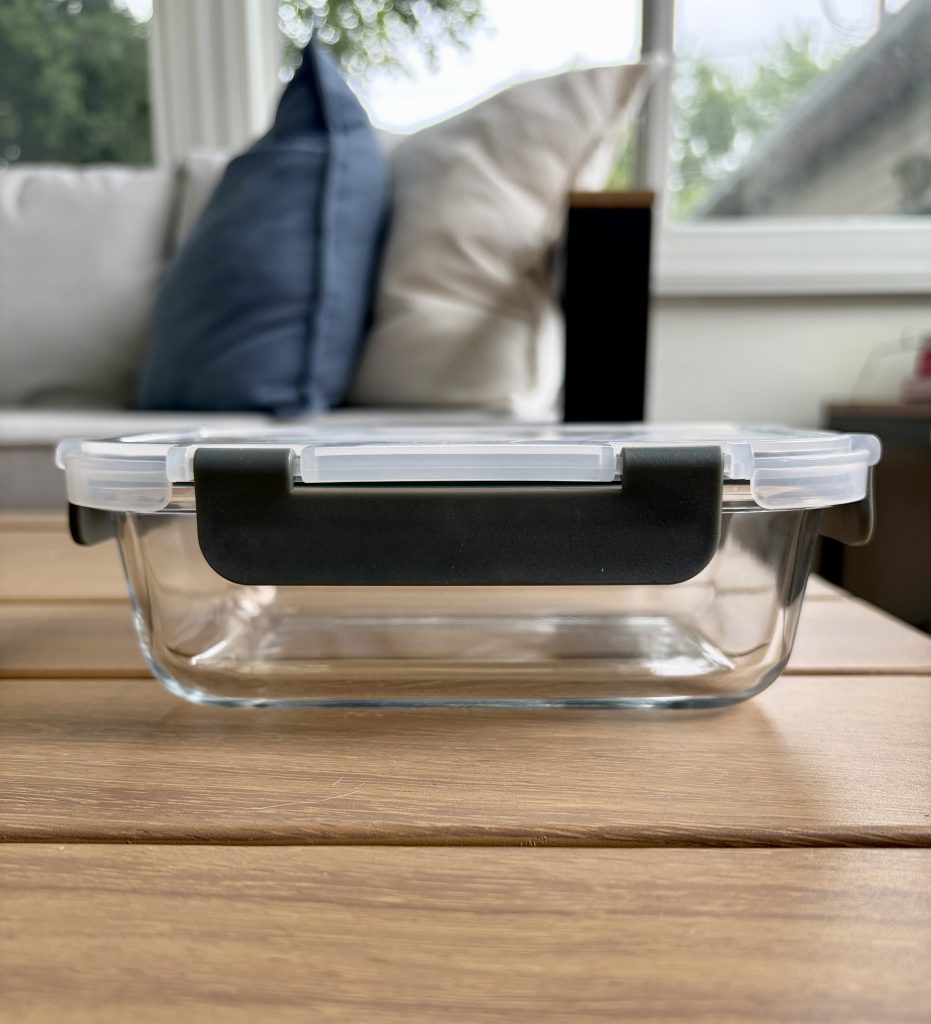
These are the containers I personally use, they hit all the right specs for the freezer meal system:
View containers I personally use.
Common Freezer Burn Mistakes
If your freezer meal is packaged and stored properly, it will usually be eaten long before freezer burn becomes an issue. To make sure that happens, avoid these common mistakes:
- Leaving food uncovered or poorly sealed
- Using thin or low-quality plastic containers
- Putting hot food directly into the freezer
- Leaving too much empty space in the container
- Keeping meals beyond the optimal storage window
- Forgetting to label and rotate meals
The freezer process is simple. Most problems trace back to air exposure and poor storage habits. The right container and a little patience go a long way.
Is Freezer-Burned Food Safe to Eat?
Eating food that has freezer burn is safe. The issue you may run into is quality. Food affected by freezer burn can lose texture, flavor, or visual appeal, but that does not automatically make it harmful.
Pay attention to smell and taste. If something smells sour or tastes off after reheating, that’s a separate issue and the food should be discarded.
Freezer burn itself does not make food unsafe to eat. It is primarily a quality issue that can affect texture, flavor, and appearance, However, food that has been improperly stored or allowed to remain at unsafe temperatures can befome unsafe regardless of whether it has freezer burn. If you are unsure if your frozen food was stored safely, its better to get rid of it.
Final Thoughts
Freezer burn is not catastrophic — it’s a reduction in quality and texture that is almost always preventable. Taking control of the meal prepping process and storage habits puts you ahead of the problem and gives you the best chance to avoid it.
With consistent storage practices, your freezer meals will maintain their structure, flavor, and reliability — making meal prep easier and more efficient over time.
Looking for the tools behind this system?
View Recommended Tools
About the Author
Here at Cook Once Eat Later we share freezer meal recipes, meal prep systems, and practical freezing guides designed to help busy people save time without sacrificing flavor. Our focus is helping meals retain their texture, moisture, and quality long after they’ve been frozen.
Follow Cook Once Eat Later on Instagram for freezer meal tips, recipes, and meal prep inspiration.
FAQ
What causes freezer burn in meal prep?
Freezer burn happens when air and oxygen reach frozen food, causing moisture to escape from the surface. As moisture leaves the food, ice crystals form and the texture and flavor begin to decline. Poor seals, excess air in containers, and unstable freezer temperatures are the most common causes.
Is freezer-burned food safe to eat?
Yes. Freezer burn affects quality, not safety. Food with freezer burn may taste dry or lose flavor, but it is still safe to eat if it has been stored properly and does not smell or taste spoiled after reheating.
How can you prevent freezer burn in freezer meals?
Freezer burn can usually be prevented by controlling three key factors:
• Using airtight containers
• Minimizing headspace inside the container
• Keeping freezer temperatures stable
Adding sauce to meals and cooling food fully before freezing also helps protect against moisture loss.
Do sauces help prevent freezer burn?
Yes. Sauces create a protective layer that helps reduce air exposure and slow moisture loss. Meals that include sauce generally hold their texture and flavor better during freezing and reheating.
Should food be cooled before freezing?
Yes. Food should always be fully cooled before entering the freezer. Freezing hot food creates condensation inside the container, which leads to ice crystals and increases the risk of freezer burn.
Where is the best place to store freezer meals in the freezer?
The back of the freezer is usually the most stable location. Food stored near the door experiences more temperature changes because the freezer is opened and closed frequently.
How long can meals stay in the freezer before freezer burn happens?
Most freezer meals maintain their best quality for about 2–4 months. While they can remain safe longer, the chances of freezer burn increase over time, especially if storage conditions are inconsistent.
Do glass containers help prevent freezer burn?
Glass containers with tight, airtight lids can help reduce freezer burn because they create a strong seal that limits air exposure. The quality of the lid and gasket is just as important as the container material.
Sources
- USDA Freezing and Food Safety:
What is Freezer Burn? - Canadian Institute of Food Safety:
Is Freezer Burned Food Safe to Consume? - Schmidt, S.J. and Lee, J.W. (2009)
How Does the Freezer Burn Our Food?

