The best vegetables for freezer meal prep are the ones that can withstand the freezer process. Some hold their structure, texture, and flavor beautifully. Others turn watery and mushy. Understanding which vegetables freeze well — and why — gives you control over your meals and prevents wasted time and money. Here’s how to choose the right vegetables for the freezer.
Best Vegetables for Freezer Meal Prep (Quick Answer)
The best vegetables for freezer meals are ones that hold their structure and don’t release excess moisture when frozen and reheated.
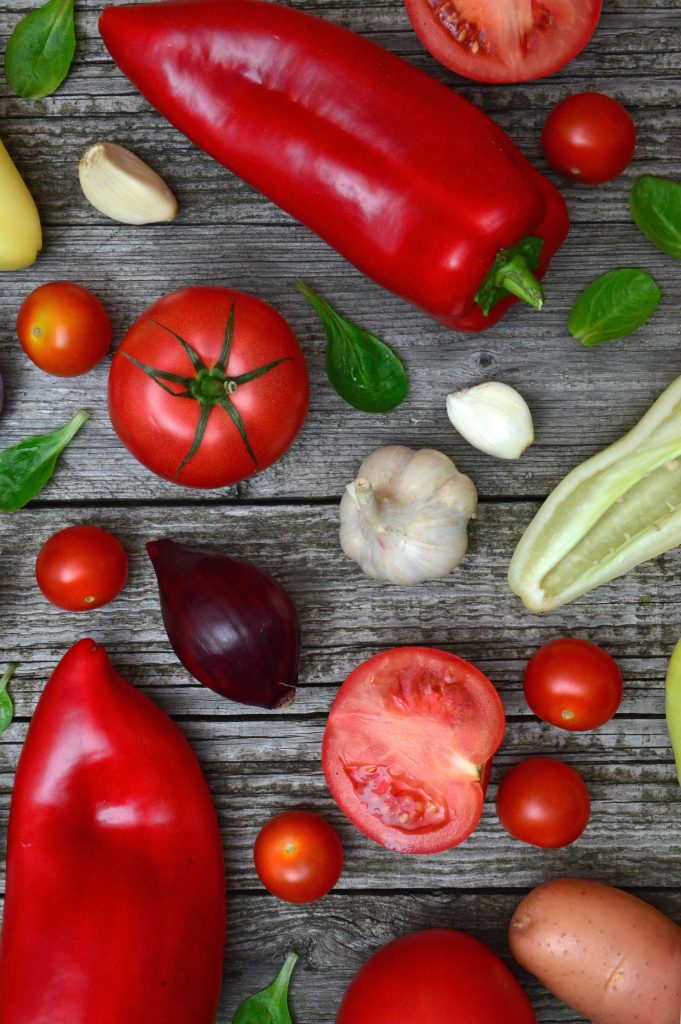
- Broccoli, carrots, green beans, cauliflower
- Corn, peas, sweet potatoes
- Onions, peppers, garlic
These vegetables stay firm, reheat well, and don’t turn watery or mushy.
Disclosure: This article may contain affiliate links. As an Amazon Associate, I earn from qualifying purchases at no extra cost to you.
Picking Vegetables for Freezer Meal Prep
Vegetables can make or break a freezer meal. If they’re not chosen and prepared properly, they become mushy, bland, and end up in the garbage. Not all vegetables can be treated equally when it comes to freezing. Choosing the right ones saves time, preserves texture, and prevents wasted food.
What Makes a Vegetable Freezer-Friendly
A freezer-friendly vegetable comes down to cell structure. It sounds complicated, but it’s not.
Vegetables with high water content are typically poor candidates for freezing. When vegetables freeze, the water inside them turns into ice crystals. Those ice crystals rupture the cell walls. When the vegetable is thawed and reheated, the damaged structure collapses. This ultimately leads to mushy and flavorless vegetables that are completely avoidable.
Think of it like a house without a frame. Without structural support, it falls apart.
Vegetables that are more fibrous or slightly starchy hold their structure better. They’re naturally more resilient to freezing and reheating allowing them to last longer when frozen.
Best Vegetables for Freezer Meal Prep
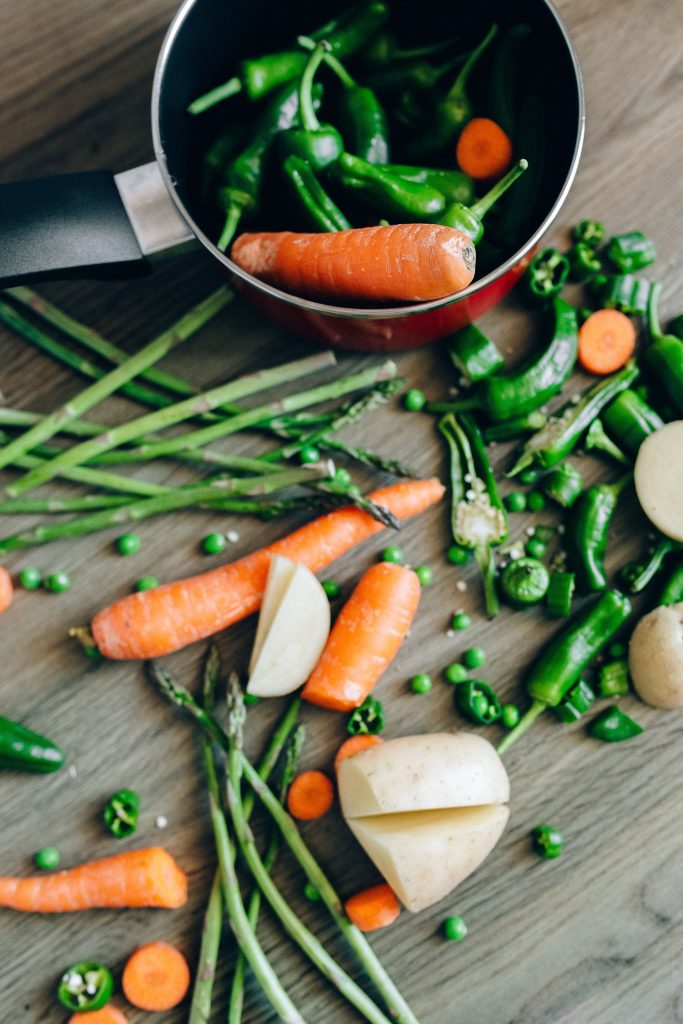
There are more vegetables that freeze well than ones that don’t. You have plenty of strong options to work with.
Firm / Structured Vegetables
• Broccoli
• Carrots
• Green beans
• Cauliflower
• Asparagus
Why they work:
• Lower water content
• Dense fiber structure
• Handle blanching and reheating well
Naturally Sweet / Starch-Stable Vegetables
• Corn
• Peas
• Beets
• Sweet potato cubes
Why they work:
• Natural sugars and starch support structure
• Hold their shape after reheating
Aromatics That Freeze Extremely Well
• Onions
• Peppers
• Garlic
• Green onions
Why they work:
• Often cooked and blended with other ingredients
• Their flavor remains strong even after reheating
These vegetables give you flexibility across nearly any freezer meal combination. These vegetables are often used in creating the bases of a variety of different recipes and sauces.
Vegetables That Commonly Fail
The list of vegetables that do not freeze well is short. Avoid these and you eliminate most texture problems before they start.
• Lettuce
• Cucumber
• Raw tomatoes
• Zucchini (raw)
• Celery (raw)
Why they fail:
• Extremely high water content
• Weak cell structure
• Turn watery and mushy after thawing
There are exceptions, but they depend on technique and preparation. In general, these vegetables are better left fresh.
Fresh vs Pre-Frozen Vegetables
Choosing between fresh and frozen vegetables for freezer meal prep is not always simple.
Frozen Vegetables
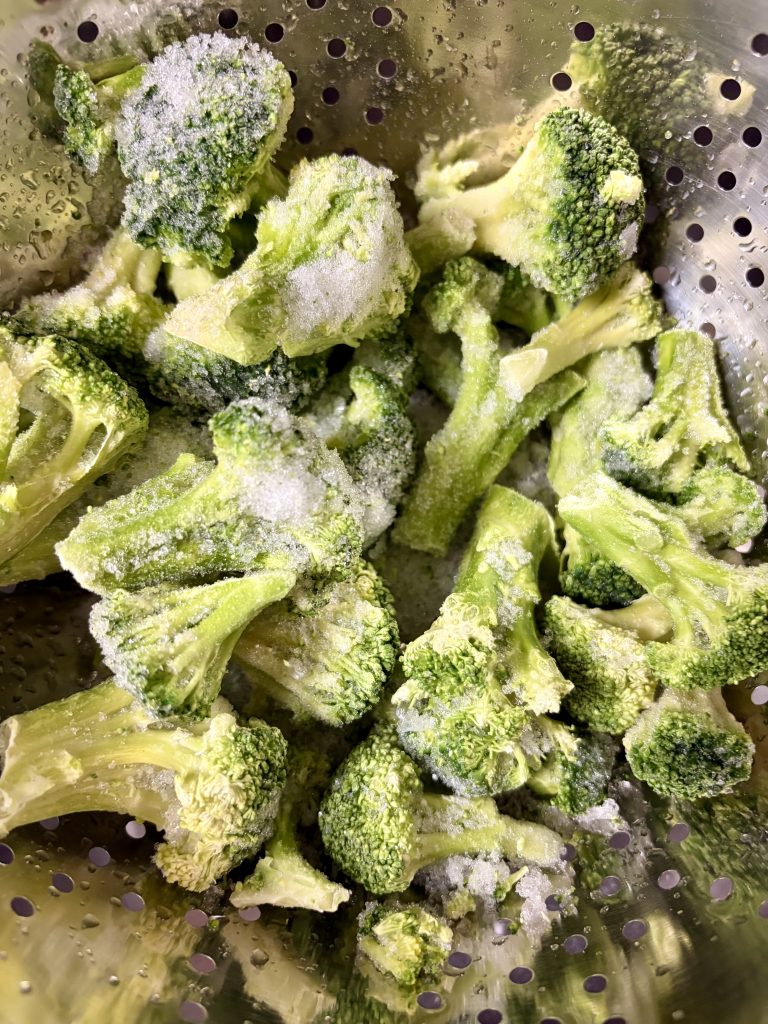
Frozen vegetables are typically flash-frozen at peak ripeness. They’re convenient, often pre-cut, and ideal for bulk meal prep. The quantities are consistent and they’re easy to store.
However, vegetables are sensitive to repeated freeze–thaw cycles. While some hold up better than others, no vegetable can be frozen, thawed, reheated, and frozen again without losing texture and flavor.
You also have limited control over the moisture created during commercial freezing, which can influence how your meal reheats.
To preserve quality, frozen vegetables should move directly from their package into your prepared meal and back into the freezer — minimizing additional thaw cycles.
Fresh Vegetables
Fresh vegetables offer full control.
You control:
• Quality selection
• Size and preparation
• Cooking technique
• Cooling process
• Freezing conditions
That level of control allows you to intentionally undercook, cool properly, and freeze with structure in mind. Control and technique ultimately outweigh the convenience benefits frozen vegetables offer.
Almost every time, fresh vegetables produce better freezer meal results.
That said, frozen vegetables absolutely have their place. They can save time as supporting ingredients — like peas in shepherd’s pie — or when you need a fast addition to a meal in a pinch.
The key is understanding when each option works best.
Stop guessing. Build freezer meals that freeze and reheat perfectly.
Prep Strategy Matters More Than the Vegetable
Choosing the right vegetable is important, but preparation matters even more.
If you’re using fresh vegetables, start with the best available. Quality at the beginning carries through the entire freezer meal process.
When batch cooking, lightly blanch or quickly sear your vegetables, then cool them immediately. This slows the enzymes responsible for breakdown and preserves structure before freezing. You are intentionally stopping the cooking process early so reheating can finish it later.
Before freezing, make sure your vegetables are evenly distributed inside a proper container. Thick clusters lead to uneven reheating and overcooking. During reheating, use a lid to control moisture and avoid aggressive, high heat.
View the exact container I use here.
If you’re using frozen vegetables, treat them as a supporting ingredient when possible. Keep them frozen until assembling your meal, and add butter, sauce, or seasoning before freezing to improve texture and flavor. Without added fat or moisture protection, they can reheat flat and watery.
Technique will always matter more than the ingredient itself.
Common Vegetable Shopping Mistakes
Freezer meal success starts at the grocery store. Avoid these common mistakes:
• Buying vegetables that don’t freeze well
• Choosing older or lower-quality produce
• Not buying enough for proper portion balance
• Relying on frozen vegetables when fresh would perform better as the main component
Small shopping decisions compound during freezing and reheating. Set yourself up correctly from the start.
Final Thoughts
As long as you avoid the small list of vegetables that don’t freeze well, you’re already ahead.
The real difference comes from technique and control. Choosing the right vegetables, preparing them intentionally, and managing moisture through the freezing and reheating process ensures your meals stay structured and flavorful.
Freezer meals don’t fail because of vegetables. They fail because of a lack of control. Once you understand that, mushy vegetables become avoidable.
Looking for the tools behind this system?
View Recommended Tools
About the Author
Here at Cook Once Eat Later we share freezer meal recipes, meal prep systems, and practical freezing guides designed to help busy people save time without sacrificing flavor. Our focus is helping meals retain their texture, moisture, and quality long after they’ve been frozen.
Follow Cook Once Eat Later on Instagram for freezer meal tips, recipes, and meal prep inspiration.
FAQ
Can all vegetables be frozen for meal prep?
No. Some vegetables freeze extremely well, while others lose structure after freezing. Vegetables with strong fiber structure—like broccoli, carrots, green beans, and cauliflower—tend to hold their texture. Vegetables with very high water content—such as lettuce, cucumbers, and raw tomatoes—usually become watery and mushy after freezing.
Why do some vegetables become mushy after freezing?
Vegetables contain a large amount of water. When that water freezes, it forms ice crystals that expand and damage the vegetable’s cell walls. When reheated, those weakened cells collapse, which causes softness and excess moisture.
Should vegetables be cooked before freezing?
In most cases, yes. Lightly blanching or briefly searing vegetables before freezing helps slow enzyme activity and preserve their structure. Slightly undercooking vegetables is ideal because reheating will finish the cooking process.
Are frozen vegetables good for freezer meal prep?
Frozen vegetables can work well, especially for supporting ingredients like peas, corn, or mixed vegetables. They are convenient and already blanched. However, they may release more moisture during reheating, and you have less control over their preparation compared to fresh vegetables.
Is it better to use fresh vegetables or frozen vegetables?
Fresh vegetables generally produce better freezer meal results because you control how they are prepared, cooked, cooled, and frozen. Frozen vegetables are still useful when convenience matters or when they are used as secondary ingredients.
How do you keep vegetables from getting mushy in freezer meals?
A few key techniques help prevent mushy vegetables:
• Choose vegetables with strong structure
• Slightly undercook them before freezing
• Allow them to cool fully before sealing containers
• Avoid excessive moisture inside the container
• Reheat gently instead of using aggressive heat
Can vegetables be frozen raw?
Some vegetables can be frozen raw, but many benefit from blanching first. Blanching slows enzyme activity that can affect flavor, color, and texture during long freezer storage.
How long do frozen vegetables last in freezer meals?
Most vegetables maintain good quality for about 8–10 months when frozen alone, but in mixed freezer meals they are usually best eaten within 2–3 months to maintain optimal texture and flavor.