Sauce is one of the most important parts of a freezer meal. The right sauce protects flavor and texture during freezing and reheating, preventing meals from becoming dry or disappointing. This guide explains which sauce types freeze best, why they work, and how to use them properly so your freezer meals stay reliable and enjoyable.
Best Freezer-Friendly Sauces (Quick Answer)
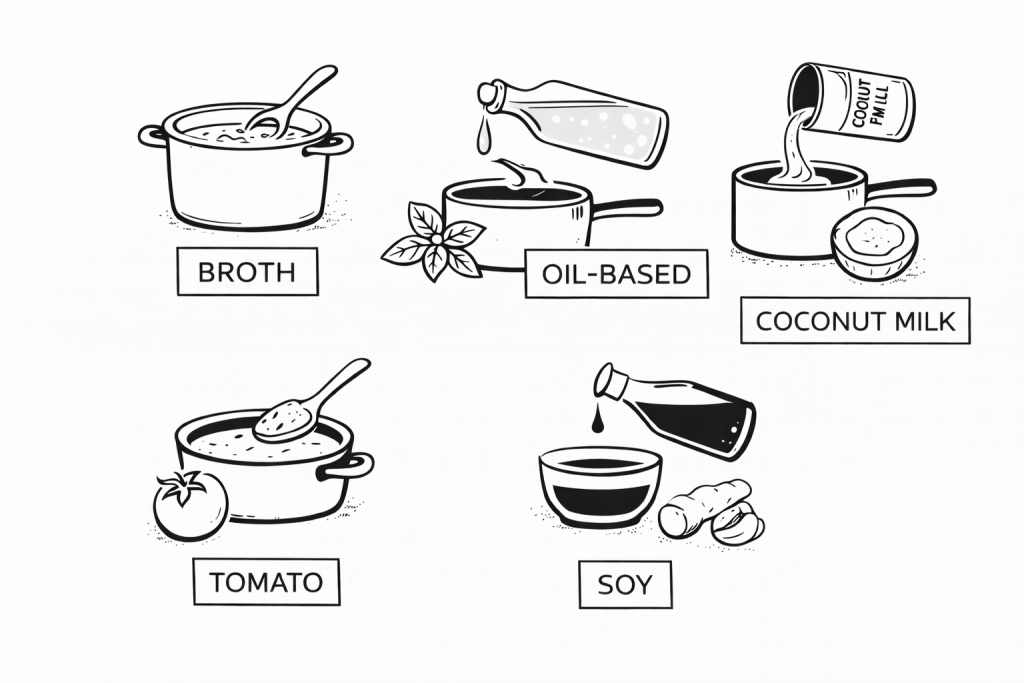
The best sauces for freezer meals are sauces that protect moisture and hold their texture after reheating. Reliable options include:
- Oil-based herb sauces
- Tomato-based sauces
- Brothy pan sauces
- Soy or acid-based sauces
- Coconut milk sauces
These sauces help prevent dryness, improve flavor, and make freezer meals reheat better.
Disclosure: This article may contain affiliate links. As an Amazon Associate, I earn from qualifying purchases at no extra cost to you.
Sauce is Essential
A good sauce isn’t optional for a freezer meal — it’s structural. Dry meals are one of the most common freezer meal complaints, and the right sauce acts as insurance for flavor and texture during freezing and reheating. This guide explains which types of sauces work best for freezer meals and why they make such a difference.
Want freezer meals that actually reheat properly? Get the free blueprint.
Why Sauces Matter More for Freezer Meals
Sauces matter more for freezer meals because the freezing process is hard on both texture and flavor. Over time, oxidation still occurs, leading to moisture loss, dull flavor, color changes, and freezer burn.
A well-built sauce acts as a protective layer, limiting air exposure and helping food retain texture. The liquid structure of a sauce stays with the meal as it freezes and reheats, and certain ingredients can even slow enzymatic reactions that cause browning and quality loss.
When used properly, sauces directly improve texture, enhance flavor, reduce waste, and help freezer meals maintain their quality for longer periods of time.
Sauce Types That Freeze Exceptionally Well
Sauces don’t just add flavor — they create flexibility. The sauces below freeze well because of how their base ingredients are structured. These foundations make them stable through freezing and reheating, while still allowing for easy customization.
Oil-Based Herb Sauces
• Base: Oil
• Herbs retain flavor when suspended in fat, which protects them during freezing
• Oil helps prevent texture loss and freezer burn
• Best for: Proteins, rice bowls, roasted vegetables
Example: herb-and-oil sauces such as chimichurri
Tomato-Based Sauces
• Base: Tomato
• Natural acidity helps preserve flavor and color
• Tomato creates a buffer that protects texture
• Best for: Pasta dishes, barbecue-style sauces, proteins
Example: meat-based tomato sauces such as bolognese
Brothy or Pan Sauces
• Base: Broth
• Light liquid coats food evenly without weighing it down
• Prevents dryness while allowing the main ingredients to shine
• Best for: Sliced proteins, potatoes, vegetables
Example: reduced pan sauces finished with broth and acid
Soy or Acid-Based Sauces
• Base: Soy sauce or acid-forward liquids
• Strong, concentrated flavors hold up well to freezing and reheating
• Salt and acidity help maintain flavor intensity
• Best for: Stir-fries, rice bowls, lean proteins, noodle dishes
Example: soy-based sauces such as teriyaki
Coconut Milk–Based Sauces
• Base: Coconut milk
• Stable fat content allows sauces to re-emulsify after reheating
• Adds richness without relying on dairy
• Best for: Proteins, rice-based meals
Example: coconut curry–style sauces
Sauces That Don’t Freeze Well (and Why)
Most sauces struggle in the freezer for the same reason: texture breakdown. Certain sauces tend to separate, curdle, or become grainy when frozen and reheated. This usually happens because the balance between fat, acid, and liquid breaks down during temperature changes.
Sauces that are typically more difficult to freeze include:
• Cream-heavy sauces
• Cheese-based sauces
• Raw emulsions
These sauces can be excellent when fresh, but they are less forgiving on their own. When a recipe relies on one of these bases, it’s often possible to substitute a more freezer-stable sauce built on oil, tomato, broth, or acid-forward ingredients instead.
When Sauce Rules Can Be Bent
While certain sauces don’t typically freeze well, there are exceptions. These usually succeed because another ingredient helps stabilize the sauce during freezing and reheating.
Cream-based sauces can hold up surprisingly well when combined with acidic ingredients like tomatoes. The acidity helps slow separation and preserve flavor, making tomato–cream sauces more freezer-friendly than cream alone.
Fruit-based sauces and salsas can also freeze well when properly balanced. Blends that include acidic fruits, such as pineapple or mango, often maintain their flavor and texture when paired with proteins or grains. The natural acidity helps preserve freshness and protect texture.
The key takeaway is that sauces succeed or fail based on structure, not labels. When fat, acid, and balance are present, even unconventional sauces can freeze well and reheat successfully.
Stop guessing. Build freezer meals that freeze and reheat perfectly.
How Much Sauce to Use Per Meal
When it comes to freezer meals, it’s better to have slightly too much sauce than not enough. Sauce helps protect food during freezing and reheating, and some absorption can occur once the meal is warmed.
Aim to coat ingredients generously rather than lightly. Pay attention to the consistency of the sauce and the starches you’re using. Lighter sauces paired with rice, for example, will often be absorbed during reheating.
A reliable approach is to toss cooled ingredients in sauce before portioning, then add a small amount of additional sauce on top. This ensures even coverage and helps meals reheat with better texture and flavor.
Final Thoughts
A good sauce helps hold freezer meals together. It’s a structural part of the freezer meal process, not an afterthought. By choosing the right sauce bases and using them intentionally, freezer meals become more reliable, more flavorful, and far easier to enjoy long after they’re made.
Looking for the tools behind this system?
View Recommended Tools
About the Author
Here at Cook Once Eat Later we share freezer meal recipes, meal prep systems, and practical freezing guides designed to help busy people save time without sacrificing flavor. Our focus is helping meals retain their texture, moisture, and quality long after they’ve been frozen.
Follow Cook Once Eat Later on Instagram for freezer meal tips, recipes, and meal prep inspiration.
FAQ
Why are sauces important for freezer meals?
Sauces help protect freezer meals from drying out during freezing and reheating. They add moisture, preserve flavor, and create a barrier that helps reduce air exposure, which can lead to freezer burn.
What types of sauces freeze the best?
Sauces that freeze well usually have a balanced base of fat, acid, or broth. Some of the most reliable options include:
• Oil-based herb sauces
• Tomato-based sauces
• Broth or pan sauces
• Soy or acid-based sauces
• Coconut milk–based sauces
These sauces maintain their structure and flavor during freezing and reheating.
Why do cream sauces sometimes separate in the freezer?
Cream sauces can break down because freezing disrupts the balance between fat and liquid. When reheated, the sauce may separate or become grainy. Combining cream with more stable ingredients, such as tomatoes, can help improve freezer stability.
Can cheese sauces be frozen?
Cheese sauces are more difficult to freeze because dairy proteins can separate during freezing and reheating. In some recipes they may still work, but they often lose their smooth texture compared to sauces based on tomato, oil, or broth.
How much sauce should be added to a freezer meal?
Freezer meals should be generously coated with sauce rather than lightly covered. Some sauce will be absorbed during freezing and reheating, so adding a little extra helps ensure the meal reheats with good flavor and texture.
Can store-bought sauces be used in freezer meals?
Yes. Store-bought sauces can work well for freezer meals, especially tomato-based or soy-based options. However, making sauces at home allows you to control ingredients and adjust the consistency for better freezing results.
Do sauces help prevent freezer burn?
Yes. Sauces help reduce freezer burn by coating the food and limiting its exposure to air inside the container. This helps preserve moisture and improves texture when the meal is reheated.
Can fruit-based sauces be frozen with meals?
Fruit-based sauces or salsas can freeze well when they contain balanced acidity and moisture. Ingredients like pineapple or mango often maintain flavor and texture when paired with proteins and grains.