By Cook Once. Eat Later. • Updated September 16, 2026
Freezing bananas is simple and comes with plenty of benefits. We freeze them in our household to save money when bananas start going bad, to make delicious snacks, or save them for later use in banana bread, smoothies, desserts, and freezer meals.
It really comes down to why you want to freeze your bananas. In this guide, we’ll go over the different methods and options to help you get the most out of them.
Since bananas ripen quickly, freezing them is a great way to prevent waste, save money, and have something ready to use whenever you need it.
How to Freeze Bananas: Whole, Sliced, or Mashed (Quick Guide)
- Bananas can be frozen whole, sliced, halved, or mashed.
- Peel bananas before freezing whenever possible to make them easier to thaw and use.
- Use yellow, firm bananas for slicing and brown, soft bananas for mashing or baking.
- Freeze bananas on parchment paper first to prevent them from sticking together.
- Once firm, transfer them to a freezer-safe bag or container.
- Remove as much air as possible, label and date the container, and store it toward the back of the freezer.
- Frozen bananas are best used within 2–3 months for the highest quality.
- You can use frozen bananas in smoothies, protein bowls, banana bread, muffins, pancakes, oatmeal, and desserts.
Disclosure: This article may contain affiliate links. As an Amazon Associate, I earn from qualifying purchases at no extra cost to you.
Can You Freeze Bananas?
Yes, you can freeze bananas. The best method depends on what you plan to do with them. Bananas can be frozen whole, sliced, halved, or mashed.
When I freeze bananas, I think about how I’m going to use them later, and that determines which method I choose.
Keep in mind that freezing bananas will change their texture. Because of this, they’re best used in things like smoothies, baking, pancakes, banana bread, and other recipes rather than eaten fresh on their own.
When Is the Best Time to Freeze Bananas?
The best time to freeze bananas is usually when they’re ripe. That means they can be yellow, covered in brown spots, or completely brown. The stage you choose really depends on how you plan to use them unlike berries that are best frozen fresh and ripe only.
If I’m making banana bread, I’ll usually freeze the bananas when they’re brown and very ripe. But if I’m slicing them and dipping them in chocolate to make little chocolate-covered banana snacks for my kids, I prefer to freeze them when they’re yellow. They’ve ripened, but they’re still firm enough to slice easily.
I don’t recommend freezing bananas while they’re still green. Freezing stops the ripening process, so you could end up with a bitter, starchy banana that never develops the sweetness and texture you were waiting for.
Should You Peel Bananas Before Freezing Them?
Yes, you should almost always peel bananas before freezing them. You don’t have to, but in my opinion, peeling them makes the bananas much easier to thaw and work with when you’re ready to use them.
Leaving the peel on shouldn’t affect the flavor or texture very much, but it can make handling the bananas more difficult once they’re frozen. In the end, if you leave the peels on, nothing bad will happen—they’ll still be perfectly fine to use.
How to Freeze Sliced Bananas
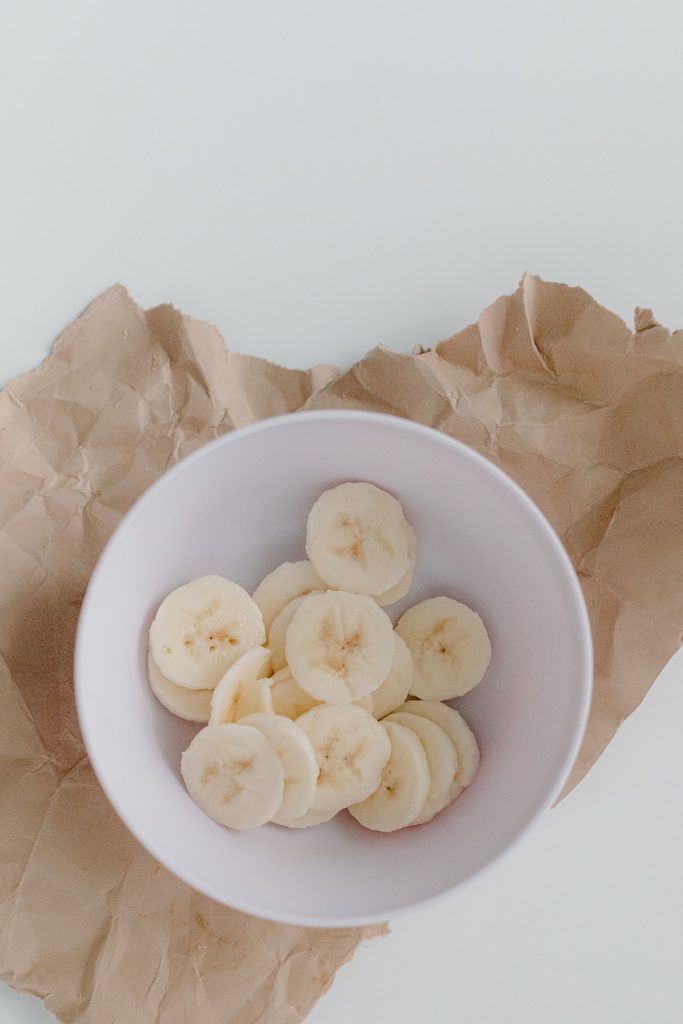
- Choose ripe but firm bananas. The bananas should be at least yellow rather than brown. This helps the slices hold their shape better, since a mushy banana won’t slice as cleanly.
- Slice the bananas. Cut them into pieces approximately ⅓ to ½ inch thick, depending on your preference.
- Arrange the slices on parchment paper. Place them in a single layer, making sure the pieces aren’t touching. This helps prevent them from sticking together as they freeze.
- Freeze the banana slices. Place the tray in the freezer for about 1–3 hours, or until the slices have firmed up.
- Transfer them to a freezer-safe container. Once frozen, move the slices into a freezer-safe bag or container. Remove as much air as possible before sealing to help protect them during storage.
My Favorite Way to Use Frozen Banana Slices
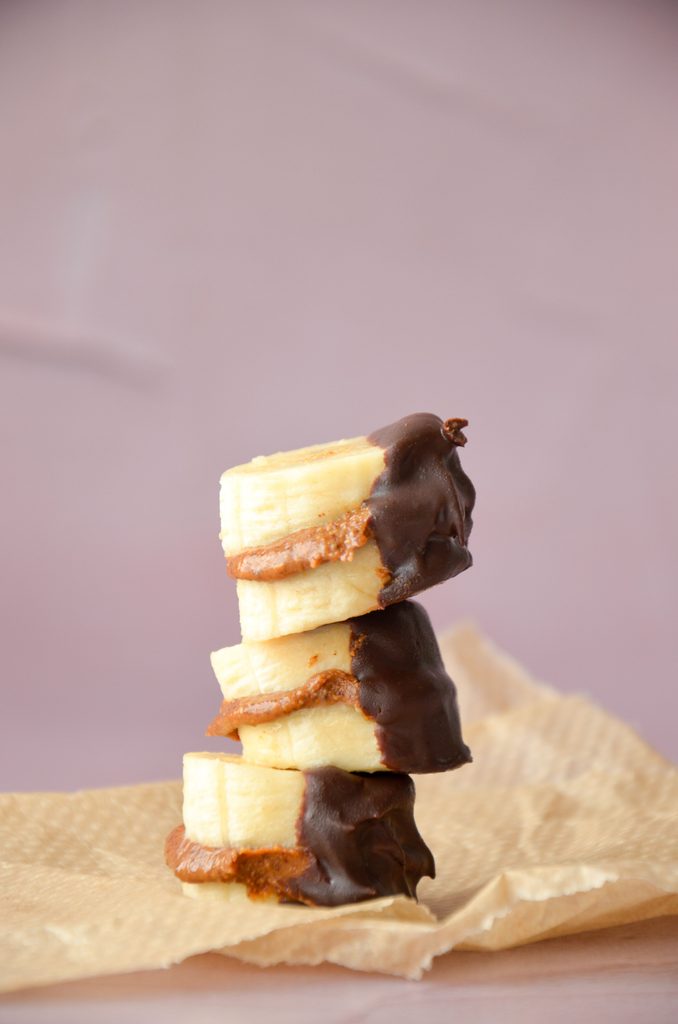
One of my favorite things to do is take the banana slices out when they’re almost frozen, dip them in chocolate, and place them back on the parchment paper. Then I let them freeze completely for a delicious chocolate-covered banana snack.
How to Freeze Whole Bananas
Freezing whole bananas saves you time and money. To freeze them, simply remove the peels, place the bananas on a piece of parchment paper, and freeze them for 1–3 hours, or until they’re firm.
Once they’re firm, transfer the bananas to a freezer-safe bag or container. Label and date them, then store them in the back of your freezer.
This method is especially useful when you’re not sure how you want to use the bananas but don’t want them to go to waste. It’s also convenient for recipes like banana bread or muffins that call for one or two whole bananas. You can take out exactly what you need and add them to your recipe.
You can even slice a frozen banana if you need smaller pieces later. Freezing them whole gives you plenty of options when you’re ready to use them.
How to Freeze Bananas in Halves
I personally like freezing bananas in halves because it gives you a versatile middle ground between freezing them whole and slicing them.
To freeze bananas in halves, wait until they’re at least yellow. Then, cut each banana either lengthwise or straight through the middle so you have two halves.
Place the halves on parchment paper and freeze them for 1–3 hours, or until they’re firm. Once frozen, transfer them to a freezer-safe bag or container. Label and date them, then store them in the back of your freezer.
My favorite way to use banana halves is to slice them lengthwise and serve them with banana splits or other ice cream desserts.
How to Freeze Mashed Bananas
To freeze mashed bananas, I typically wait until the bananas have brown spots or are completely brown. At this stage, they’re soft, sweet, and easy to mash.
Once you’ve peeled and mashed the bananas, portion them into your desired serving sizes. I usually like to use an ice cube tray, allowing the portions to freeze for 1–3 hours before transferring them to a freezer-safe bag or container.
If you don’t have an ice cube tray, you can also use a muffin tray or place small scoops of mashed banana onto parchment paper. Freeze them until firm, then transfer them to a freezer-safe bag or container.
My favorite way to use mashed bananas is to add them to smoothies, oatmeal, or a protein bowl for a quick snack. They’re also great for baking.
Want the freezer meal blueprint? Get it free and make your own freezer meals.
How Long Do Frozen Bananas Last?
Frozen bananas typically last 2–3 months for the best quality. This is more of a recommendation than a strict expiration date. After that point, you may start to notice declines in quality, but the bananas may still be perfectly fine to use.
What you’re usually fighting against is texture loss and freezer burn. Properly freezing, storing, and thawing your bananas will help them maintain their quality for as long as possible.
To get the best results, freeze your bananas quickly to reduce the formation of large ice crystals. Then, store them properly in a freezer-safe bag or container, removing as much air as possible. Place them toward the back of your freezer, where they’re less affected by the warm air that enters when the freezer door is opened and closed.
How to Store Frozen Bananas
Properly storing frozen bananas will help them maintain their quality for longer and give you better-tasting bananas when you’re ready to use them in a recipe.
First, make sure the bananas are frozen as quickly as possible to help reduce the formation of large ice crystals. Then, transfer them to a freezer-safe bag or container, removing as much air as possible before sealing.
Finally, place the bananas toward the back of your freezer, where they’re less affected by temperature fluctuations caused by opening and closing the freezer door.
Following these steps can help reduce exposure to air and temperature changes, which helps fight freezer burn and keeps your frozen bananas in better condition for longer.
View Recommended Reusable Silicone Freezer Bags
View containers I personally use.
How to Thaw Frozen Bananas
If you need to thaw frozen bananas, it’s best to do so gradually by placing them in the refrigerator for a few hours before using them. As they thaw, you may notice some moisture collecting around the bananas. Drain this excess liquid before adding them to a recipe.
You don’t always need to thaw frozen bananas. If you’re adding them to a smoothie or protein bowl, they can go in frozen.
However, if you’re using them for baking, make sure they’re fully thawed first. The extra moisture and low temperature of frozen bananas can affect the final result.
Can You Freeze Thawed Bananas?
Yes, you can refreeze thawed bananas, but we don’t recommend it. Every time you freeze, thaw, and refreeze something, you can affect its texture and overall quality. This applies to bananas and many other foods.
Once you’ve thawed your bananas, we recommend using them right away rather than freezing them again.
Best Ways to Use Frozen Bananas
Some of my favorite ways to use frozen bananas include:
- Smoothies
- Protein bowls
- Banana ice cream
- Banana bread
- Muffins
- Pancakes
- Oatmeal
- Chocolate-covered banana slices
Freezing bananas might seem redundant or unnecessary at first, but once you see how many ways you can use them, you’ll start saving them before you know it. It’s an easy way to reduce food waste, save money, and have quick snacks or recipe ingredients ready whenever you need them.
Final Thoughts
Freezing bananas is easy, and there are plenty of ways to freeze and use them once they’re ready. If you’re anything like us, you probably buy bananas almost every time you go to the grocery store. Before long, a few of them start to go bad, and you’re left wondering what to do with them.
Freezing those extra bananas can go a long way toward saving money and reducing food waste. It also gives you quick snacks and convenient ingredients for recipes you might not otherwise have made.
For more tips on freezing food and freezer-friendly recipes, check out our recipe library or browse our recipe list.
Looking for the tools behind this system?
View Recommended Tools
About the Author
Here at Cook Once Eat Later we share freezer meal recipes, meal prep systems, and practical freezing guides designed to help busy people save time without sacrificing flavor. Our focus is helping meals retain their texture, moisture, and quality long after they’ve been frozen.
Follow Cook Once Eat Later on Instagram for freezer meal tips, recipes, and meal prep inspiration.
FAQ
Can you freeze bananas with the peel on?
Yes, you can freeze bananas with the peel on. However, peeling them first usually makes them easier to handle and thaw later.
Can you freeze brown bananas?
Yes. Brown bananas are especially useful for freezing and using later in banana bread, muffins, smoothies, oatmeal, and other recipes.
Can you freeze green bananas?
You can, but it’s generally not recommended. Freezing stops the ripening process, so green bananas may remain starchy and less sweet.
Do frozen bananas turn brown?
Frozen bananas can darken over time, especially if they’re exposed to air. Properly sealing them in a freezer-safe bag or container can help reduce browning and freezer burn.
Do you need to blanch bananas before freezing them?
No. Bananas do not need to be blanched before freezing. Simply peel, slice, halve, or mash them before freezing.
Can you freeze bananas without parchment paper?
Yes, but parchment paper helps prevent the bananas from sticking together. You can also use a silicone baking mat or another freezer-safe surface.
Can you freeze mashed bananas in an ice cube tray?
Yes. An ice cube tray is a convenient way to portion mashed bananas into small amounts for smoothies, oatmeal, protein bowls, and baking.
Can you eat frozen bananas straight from the freezer?
Yes, but their texture will be different from fresh bananas. They’re often better blended into smoothies, used in desserts, or thawed before adding them to recipes.
- USDA Freezing and Food Safety:
What is Freezer Burn? - Canadian Institute of Food Safety:
Is Freezer Burned Food Safe to Consume?