By Cook Once. Eat Later. • Updated October 14, 2026
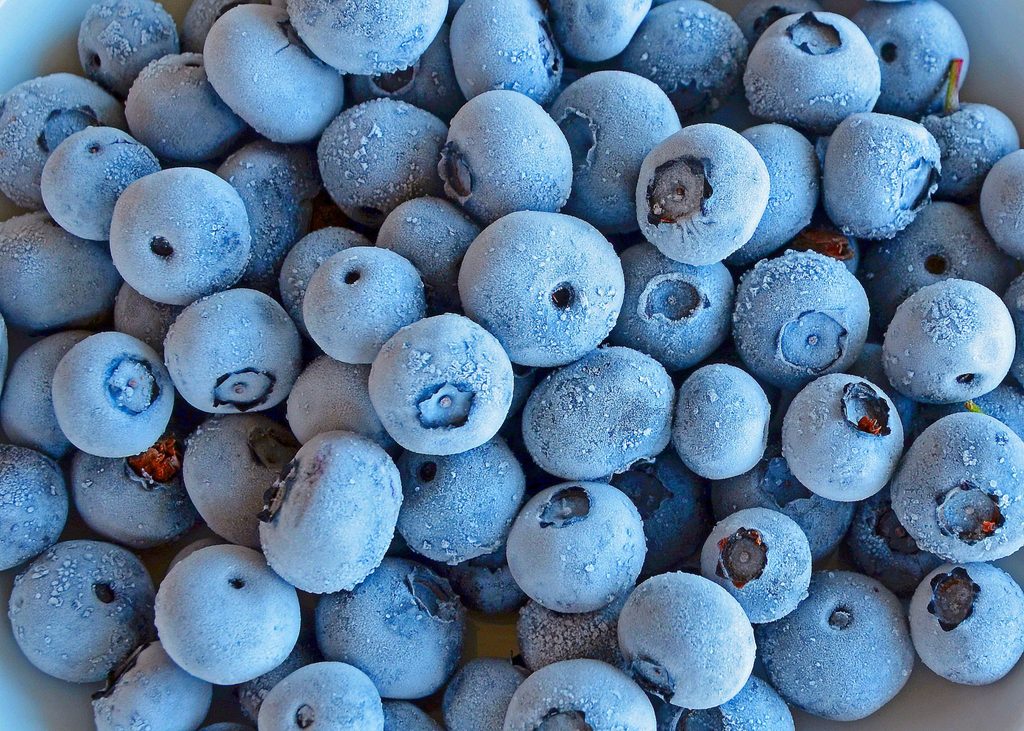
Freezing fresh berries is easy when you know what to do. It’s a great way to preserve berries and keep their nutrients and antioxidants on hand for whatever you’re making.
The problem many of us run into is that berries can go to waste before we have a chance to use them. Freezing them is a simple way to reduce food waste, save money, and always have berries ready when you need them.
Today, I’m going to show you the best ways to freeze fresh berries so you can enjoy them long after you’ve brought them home. These are the methods we use in my household, and they work well for us.
How to Freeze Berries (Quick Guide)
- Sort your berries: Remove any moldy, spoiled, or badly damaged berries.
- Wash and dry: Wash the berries shortly before freezing and dry them thoroughly.
- Prepare the berries: Remove strawberry tops and slice larger berries if desired. Smaller berries can usually be left whole.
- Arrange on a baking sheet: Line a baking sheet with parchment paper and spread the berries in a single layer without touching.
- Flash freeze: Freeze for 3–4 hours, or until completely solid.
- Transfer to storage: Place the frozen berries in a freezer-safe bag or airtight container, removing as much excess air as possible.
- Label and date: Record the type of berry and freezing date so you can keep track of storage time.
- Store properly: Keep the berries continuously frozen for the best quality.
- Use without thawing: Add frozen berries directly to smoothies, baking recipes, oatmeal, and sauces when appropriate.
Disclosure: This article may contain affiliate links. As an Amazon Associate, I earn from qualifying purchases at no extra cost to you.
Can You Freeze Fresh Berries?
Yes, you can freeze fresh berries, and they freeze surprisingly well when stored properly.
Freezing berries is a great way to prevent food waste and save money, especially when berries are in season or on sale. You can stock up and keep them in your freezer for months, so you have berries ready to use even when they’re harder to find or more expensive.
Freezing does change the texture of berries, so I wouldn’t recommend using them as a garnish where appearance matters. They won’t have that same fresh look once thawed. However, they still taste great and are perfect for smoothies, baking, oatmeal, sauces, and just about anything else you can think of.
The Best Way to Freeze Fresh Berries
While there are different ways to freeze fresh berries, this is the method that works for our household every time, regardless of what we plan to use the berries for. It’s called flash freezing, and you can easily do it at home.
1. Sort the Berries
Start by removing any moldy, bruised, or badly damaged berries. You want to freeze the freshest berries possible, so don’t try to save the bad ones for freezing.
If some berries are still usable but aren’t in the best shape, you could use them for something else, like jam, puree, or cooking.
Remember, your end product can only be as good as your starting product. Starting with poor-quality berries won’t give you the best results.
2. Wash and Dry the Berries
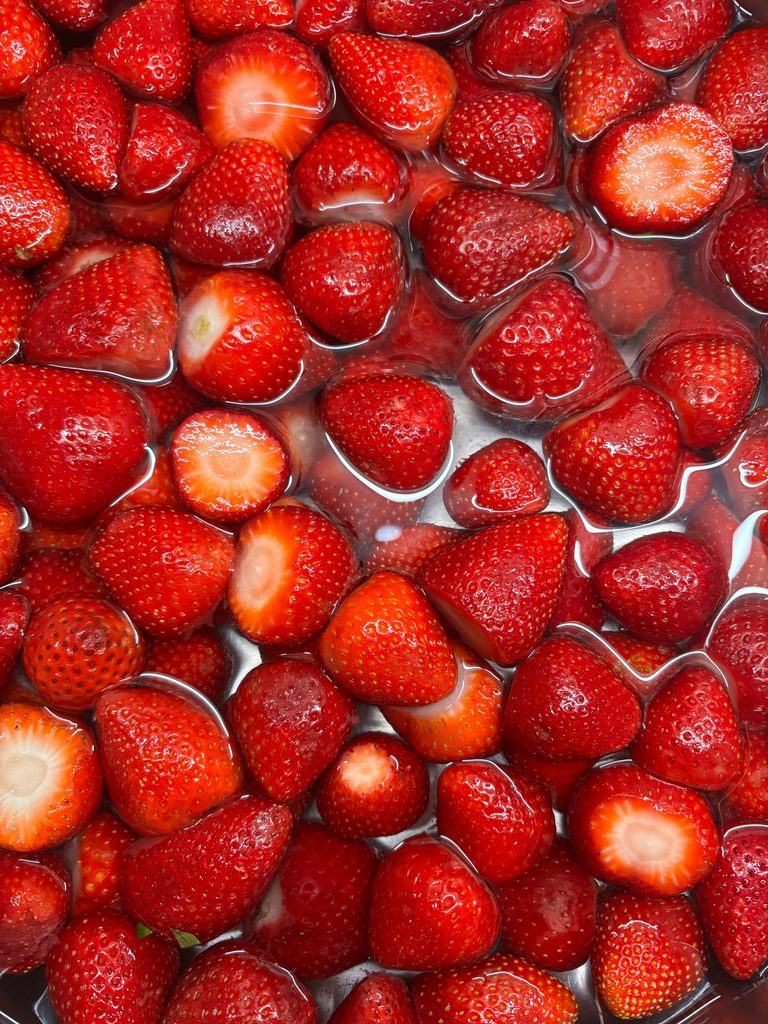
Wash the berries thoroughly to remove dirt and debris, but wait until you’re ready to freeze them before washing. Washing berries too far in advance can leave excess moisture behind, which may cause them to spoil faster before freezing.
Once washed, dry the berries completely. Excess moisture can cause berries to freeze together and form more ice around their surfaces.
Take your time with this step. Getting the berries as dry as possible makes a big difference when it comes to keeping them separate and maintaining their quality.
3. Prepare the Berries
Now it’s time to prepare the berries for freezing.
If you’re freezing strawberries, remove the green tops. You can also slice them now if that’s how you prefer to use them.
I like to think about how I’ll be using the berries before deciding whether to cut them. If a recipe calls for sliced strawberries, I’ll slice them before freezing. Otherwise, I usually leave the berries whole.
Take care of any trimming or stem removal at this stage so the berries are ready to use straight from the freezer.
4. Arrange the Berries on a Baking Sheet
View Recommended Sheet Pan and Wire Rack Combo
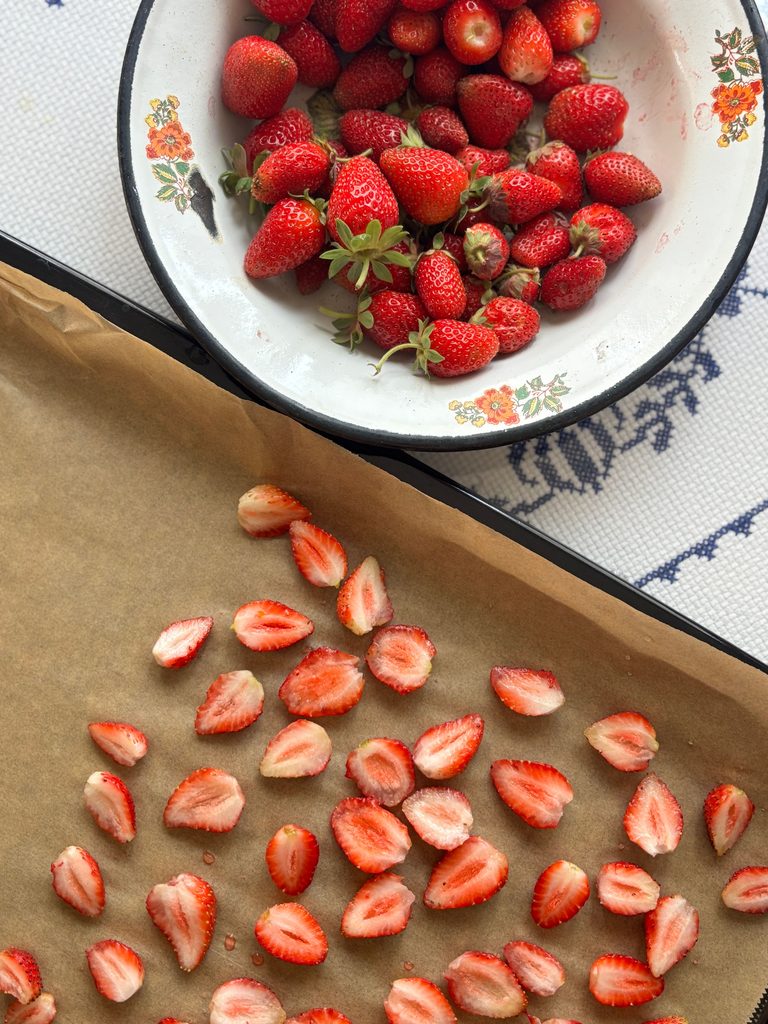
Once the berries are completely dry and prepared, line a baking sheet with parchment paper and spread them out in a single layer.
Make sure the berries aren’t touching or overlapping. You don’t want them piled on top of each other because they’ll freeze together and become more difficult to portion later.
Giving each berry its own space is what makes individual flash freezing work so well.
5. Flash Freeze the Berries
Place the baking sheet in the freezer and let the berries freeze for at least 3–4 hours, or until they’re completely frozen.
Try to leave the freezer closed while the berries freeze. This helps maintain a consistent temperature and avoids unnecessary temperature fluctuations.
The goal is to freeze each berry individually before storing them together. This prevents them from turning into one giant clump, making it much easier to grab exactly the amount you need later.
6. Transfer to a Freezer Bag or Container
Once the berries are completely frozen, quickly transfer them to a freezer-safe bag or airtight container.
If you’re using a freezer bag, remove as much air as possible before sealing it. Label the bag with the type of berry and the date, then return it to the freezer.
View Recommended Reusable Silicone Freezer Bags
Removing excess air helps limit air exposure and reduces the risk of freezer burn, helping preserve quality. I also like to store berries toward the back of the freezer, where the temperature is generally more consistent than near the door.
That’s it! Your berries are now frozen individually and ready to use whenever you need them. You can grab a handful for a smoothie, measure out what you need for baking, or add them to oatmeal without having to break apart a giant frozen block.
How to Freeze Different Types of Berries
The freezing process is generally the same for most types of berries, with a few small differences depending on the berry you’re using. For berries with stems or green tops, such as strawberries, make sure you remove those before freezing.
For the actual freezing process, follow the steps outlined above in our Best Way to Freeze Fresh Berries section.
Beyond that, we like to think about how we’ll be using the berries before deciding whether to leave them whole or cut them.
Larger berries, like strawberries, can be cut in half or sliced before freezing to make them more versatile for different recipes. Smaller berries, like blueberries and raspberries, are usually best left whole. Their size makes them easy to use as they are, and leaving them whole means less preparation when you’re ready to use them.
What Types of Berries Can You Freeze?
You can freeze most common berries at home, including:
- Strawberries
- Blueberries
- Raspberries
- Blackberries
- Cranberries
- Gooseberries
- Red currants
- Black currants
- Boysenberries
- Marionberries
- Saskatoon berries
- Huckleberries
- Mulberries
The basic method is similar for all of them: sort, wash, dry, prepare, flash freeze, and transfer to airtight storage.
Keep in mind that different berries have different textures and water contents, so their texture after thawing may vary. Most are excellent for smoothies, baking, sauces, oatmeal, and other recipes.
Want to freeze your own freezer meals? Click below and get our freezer meal blueprint for free.
Do You Have to Flash Freeze Berries?
No, not always. I find that flash freezing makes berries more versatile and helps maintain their quality during storage.
However, if you already know how you’ll be using your berries, you can portion them out before freezing. For example, if you regularly use a specific amount for baking, measure out what you need and freeze the berries in those portions. That way, you can grab exactly what you need and add it straight to your recipe.
One example is freezing raspberries in silicone sauce trays. You can portion them into individual cubes, allowing you to pull out exactly four ounces whenever you need them. This makes meal prep more convenient and helps you get consistent results every time.
View recommended reusable silicone ice cube trays
How to Prevent Frozen Berries from Sticking Together
Preventing frozen berries from sticking together starts before and during the freezing process.
First, make sure your berries are completely dry after washing. Excess moisture on the surface can cause berries to freeze together, making them difficult to separate when you’re ready to use them.
Next, arrange the berries in a single layer on a parchment-lined baking sheet, making sure they aren’t touching or overlapping. Avoid overcrowding the baking sheet, and leave the freezer closed while the berries freeze to help maintain a consistent temperature.
Once the berries are completely frozen, transfer them to a freezer-safe bag or airtight container. Remove as much excess air as possible before sealing the bag, and avoid repeatedly thawing and refreezing your berries.
Following these steps will help you keep your berries frozen individually, making it easy to grab exactly what you need without dealing with one giant frozen clump.
How Long Do Frozen Berries Last?
The USDA states that frozen food can remain safe indefinitely but from experience, 8-12 months is a good guideline. Properly frozen berries that remain continuously frozen can stay safe beyond this period, but their quality may decline over time.
As time passes, berries can lose moisture, develop ice crystals, and experience freezer burn. These changes can affect their texture, flavor, and overall quality.
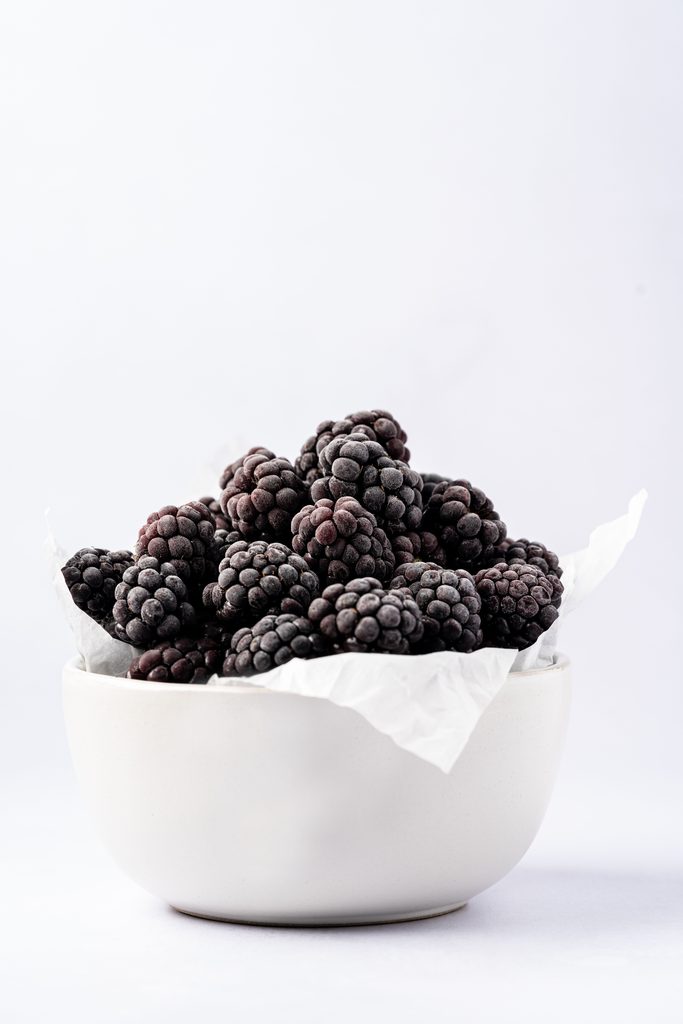
Personally, I like to use my frozen berries within 3–4 months. I’ve found that when they’re prepared and stored properly, they maintain their texture and flavor well during that time.
It’s important to understand the difference between food safety and food quality. The 8–12-month guideline is primarily about maintaining quality, while safe storage depends on proper handling and keeping the berries continuously frozen.
Always label and date your freezer bags or containers so you know how long your berries have been stored. Starting with fresh, good-quality berries and storing them properly will give you the best results.
How to Use Frozen Berries
We love freezing berries because there are so many different ways to use them.
Personally, we love using them for smoothies. We’ll buy berries when they’re on sale or pick them from our garden, freeze them, and use them for smoothies throughout the year. There’s no need to thaw them first. Just throw them straight into your blender.
For more ideas, check out our 5 Delicious Smoothie Recipes or our guide on How to Make Frozen Smoothies.
Frozen berries are also great for baking. You can use them in muffins, pancakes, cakes, quick breads, and plenty of other recipes.
We also love adding them to breakfast. They’re great with oatmeal, yogurt, and overnight oats, giving you an easy way to add fruit without worrying about whether you have fresh berries on hand.
You can also use frozen berries to make sauces and desserts, including raspberry coulis, fruit compotes, jams, and other berry-based treats.
The only thing I wouldn’t recommend is using thawed berries as a garnish on dishes where appearance matters. Once berries thaw, they become softer and lose that fresh look. Beyond that, they’re fair game for just about anything!
Sometimes, we’ll even grab berries straight from the freezer and eat them as they are. They’re a delicious, refreshing cold snack, and our kids love them.
Do You Need to Thaw Frozen Berries?
Not typically. Whether you need to thaw your berries depends on how you’re planning to use them.
For smoothies, I use berries straight from the freezer. For baking, I often use them frozen, depending on the recipe. If I’m making a berry sauce or compote, I can cook them directly from frozen without thawing them first.
And if we’re looking for a cold snack or an easy dessert, we’ll sometimes eat the berries straight from the freezer.
You can thaw them first if your recipe calls for it, but keep in mind that thawed berries will be softer than fresh berries. Their texture won’t be quite the same if you’re eating them on their own.
In general, frozen berries are best used in recipes where their softer texture won’t be an issue, such as smoothies, baking, oatmeal, and sauces.
How to Thaw Frozen Berries
The best option is to thaw frozen berries in the refrigerator. This allows them to thaw gradually while keeping them at a safe temperature.
Place the berries in a bowl or container to catch any liquid as they thaw, then leave them in the refrigerator until they’re ready to use.
One advantage of flash freezing berries individually is that you can thaw only the amount you need instead of dealing with a large, solid block of frozen fruit.
Once thawed, the berries will be softer and may release some liquid. This is completely normal, so keep that in mind when using them in recipes where excess moisture could affect the final result.
Common Mistakes When Freezing Berries
There are a few common mistakes I see when people freeze berries. Avoiding these will help you maintain their quality and make them much easier to use later.
1. Freezing Wet Berries
The biggest mistake is freezing berries before they’ve dried completely.
Excess moisture on the surface can cause berries to freeze together, making them difficult to separate when you’re ready to use them. It can also contribute to excess ice forming around the berries and affect their texture and quality.
If you want good-quality frozen berries that are easy to portion out, take the time to dry them thoroughly before freezing.
2. Not Freezing Berries in a Single Layer
Another common mistake is skipping the baking sheet and parchment paper or piling the berries on top of each other.
Parchment paper helps prevent the berries from sticking to the baking sheet, while spreading them out in a single layer allows each berry to freeze individually. If the berries are touching or overlapping, they’re more likely to freeze together into clumps.
This makes them harder to portion and use later. You may end up having to break apart a large frozen mass just to get a handful of berries.
Take the time to spread them out properly before placing them in the freezer. It’s a simple step that makes a big difference.
3. Freezing Berries That Are Already Spoiling
The next mistake is freezing berries that are already going bad.
Your end product cannot be better than your starting product. If you start with poor-quality ingredients, you’re going to get poor-quality results.
Before freezing, remove any moldy, spoiled, or badly damaged berries. If some berries are still usable but aren’t ideal for freezing whole, consider using them in a sauce, puree, or another recipe instead.
Starting with fresh, good-quality berries gives you the best results once they’re frozen and ready to use.
Final Thoughts
Freezing berries is one of the easiest ways to prevent food waste, save money, and always have a nutritious snack or ingredient on hand.
We love using frozen berries in smoothies, baking, breakfast, sauces, and desserts. They’re also a great snack straight from the freezer, and our kids love eating them that way.
Whether you’re buying berries when they’re on sale or picking them fresh from your garden, freezing them properly means you can enjoy them throughout the year without worrying about using them all before they spoil.
Take the time to prepare your berries properly, flash freeze them, and store them in airtight packaging. You’ll have good-quality berries ready whenever you need them.
Cook once. Freeze it. Eat later.
Looking for the tools behind this system?
View Recommended Tools
About the Author
Here at Cook Once Eat Later we share freezer meal recipes, meal prep systems, and practical freezing guides designed to help busy people save time without sacrificing flavor. Our focus is helping meals retain their texture, moisture, and quality long after they’ve been frozen.
Follow Cook Once Eat Later on Instagram for freezer meal tips, recipes, and meal prep inspiration.
Sources
- USDA Freezing and Food Safety:
Food Safety Chart
FAQ
Can you freeze berries without flash freezing them first?
Yes. Flash freezing is not essential, but it makes berries easier to separate and portion later. If you know exactly how much you need for a recipe, you can portion the berries into freezer-safe containers before freezing them together.
Should you wash berries before freezing them?
Yes, washing berries before freezing helps remove dirt and debris. Wash them shortly before freezing and dry them thoroughly. This reduces excess moisture and helps prevent the berries from sticking together.
Can you freeze strawberries whole?
Yes. You can freeze strawberries whole, halved, or sliced. Remove the green tops first, then choose the preparation that best suits how you’ll use them later.
Can you freeze blueberries and raspberries?
Yes. Blueberries and raspberries freeze well using the same basic method. Sort them, wash and dry them carefully, spread them in a single layer on a parchment-lined baking sheet, and freeze until solid before transferring them to storage.
Can you put frozen berries straight into a smoothie?
Absolutely! Frozen berries are perfect for smoothies. Add them directly to your blender without thawing them first. They’ll help make your smoothie cold and can give it a thicker texture.
Can you bake with frozen berries?
Yes. Frozen berries work well in muffins, pancakes, quick breads, cakes, and many other baked goods. Depending on the recipe, you can often add them directly from the freezer. Follow the recipe’s instructions and account for any extra moisture they may release.
Why do frozen berries get mushy after thawing?
Freezing forms ice crystals inside the berries, which can damage their delicate cell structure. When the berries thaw, they release some of their liquid and become softer than fresh berries. This is normal and is why frozen berries work especially well in smoothies, baking, sauces, and other recipes.
Can frozen berries go bad?
Yes. Frozen berries can lose quality over time, especially if they’re poorly packaged or exposed to temperature fluctuations. Keep them continuously frozen in airtight packaging, label and date them, and discard berries if you suspect they’ve been contaminated or improperly stored.
How long can you keep berries in the freezer?
For best quality, aim to use frozen berries within approximately 8–12 months. I personally prefer using mine within 3–4 months to enjoy their texture and flavor at their best.