By Cook Once. Eat Later. • Updated October 19, 2026
This freezer-friendly buffalo sauce recipe is a staple in our household, and it’s a sauce I’ve been making for years. My favorite thing about it is how customizable it is. You can make it as zesty or spicy as you like, and even better, you can freeze it without worrying about it separating as easily when you thaw and reheat it.
Separation is one of the biggest challenges when freezing sauces for meal prep. Not every buffalo sauce holds up well after spending time in the freezer, but this recipe is designed to help solve that problem so you can make a batch, freeze it, and use it whenever you need it.
Buffalo sauce is incredibly easy to make at home, but when you’re preparing sauces for freezer meals, you need a recipe that does more than just taste good fresh. You want something that holds up during freezing, thawing, and reheating, too. That’s exactly what we’re aiming for with this recipe.
Buffalo Sauce Recipe (Quick Guide)
- Prep time: A few minutes
- Main ingredients: Unsalted butter, flour, chicken broth, and Frank’s RedHot or your favorite hot sauce
- Why it works: A roux helps stabilize the sauce and reduce separation during freezing and reheating.
- How to make it: Melt the butter, whisk in the flour, gradually add the chicken broth, then stir in the hot sauce.
- How to customize it: Adjust the amount of hot sauce and add seasonings to your preference.
- How to freeze it: Cool promptly, refrigerate until chilled, then portion into silicone freezer trays or airtight freezer-safe containers.
- How long to freeze it: I recommend using it within 3–4 months for the best quality.
- How to reheat it: Warm gently on the stovetop or in the microwave, stirring or whisking as needed.
- How to use it: Add it to chicken, shrimp, beef, tofu, rice, potatoes, pasta, vegetables, or a complete freezer meal.
Why You’ll Love This Recipe
You’re going to love this freezer-friendly buffalo sauce for the same reasons we do.
- Easy to make: It takes just a few minutes to prepare, making it perfect for meal prep.
- Creamy and flavorful: It has that delicious balance of heat, zest, and acidity that makes buffalo sauce so good.
- Customizable heat: Adjust the spice and tanginess to suit your preferences.
- Freezer-friendly: The roux helps stabilize the sauce so it can freeze, thaw, and reheat with less separation.
- Versatile: It works beautifully with chicken and other proteins, and we even love adding it to macaroni and cheese.
- Perfect for meal prep: Make a batch ahead of time, freeze it in portions, and have flavorful buffalo sauce ready whenever you need it.
It’s a simple recipe that delivers plenty of flavor without adding much work to your meal prep routine.

Disclosure: This article may contain affiliate links. As an Amazon Associate, I earn from qualifying purchases at no extra cost to you.
Ingredients
- ¼ stick (2 tablespoons) unsalted butter
- 2 teaspoons all-purpose flour
- 1 cup chicken broth
- ¼ cup Frank’s RedHot Original Cayenne Pepper Sauce, or your favorite hot sauce
Recipe Tips
The Roux (Freezer Secret)
The butter and flour in this recipe help hold everything together, allowing the sauce to freeze, thaw, and reheat with less separation. This is what makes it such a good option for freezer meals.
Traditional buffalo sauce is typically made by mixing melted butter directly into hot sauce. While that tastes great fresh, the mixture can separate, especially during cooling and reheating.
Instead, we cook the butter and flour together to create a roux, which helps stabilize the sauce. This gives you a smooth, consistent buffalo sauce that reheats beautifully and coats your chicken or whatever else you choose to use it on.
Taste Test
One of the best things about making buffalo sauce at home is that you can customize it to your liking.
If you want more heat, extra tang, or a little more seasoning, taste your sauce as you make it. Add your preferred seasonings gradually, stirring well and tasting as you go until you get the flavor you’re looking for.
Use Unsalted Butter
I always recommend using unsalted butter when making this recipe. Your hot sauce and chicken broth may already contain plenty of sodium, so using unsalted butter gives you more control over the overall saltiness.
Using unsalted butter won’t negatively affect the sauce’s ability to freeze and reheat. It’s simply my preference for keeping the seasoning balanced.
Keep it Simple
If you want to add extra flavor, garlic powder, onion powder, salt, and black pepper are all good options.
Personally, I like to keep my buffalo sauce classic. I find that the combination of butter, hot sauce, and a smooth, savory base gives me all the flavor I need. However, feel free to experiment with seasonings and adjust the sauce to suit your own preferences.
How to Make This Freezer-Friendly Buffalo Sauce Recipe
Step 1: Prepare Your Ingredients
Before you start cooking, get everything measured and ready. This is called mise en place, which simply means having your ingredients prepared before you begin.
Measure out your butter, flour, chicken broth, and hot sauce. Have a small saucepan ready on the stove so you can work through the recipe without having to stop and measure ingredients along the way.
Step 2: Make the Roux
Start by adding the butter to your saucepan over medium-low heat. Allow it to melt completely, then gradually whisk in the flour until everything is combined into a smooth paste.
Cook the butter and flour together briefly, stirring continuously, to create your roux. This is the foundation of your sauce and helps give it the stability it needs for freezing and reheating.
Step 3: Slowly Add the Chicken Broth
Once your roux is ready, gradually pour in the chicken broth while whisking continuously.
Adding the broth slowly helps prevent lumps and allows you to control the consistency of your sauce. Keep stirring as the mixture combines and begins to thicken.
You want a smooth sauce that’s suitable for coating your food without becoming overly heavy or too watery.
Step 4: Add the Hot Sauce
Once the broth and roux are combined, slowly stir in the hot sauce.
Mix thoroughly until everything is incorporated and the sauce has a smooth, consistent appearance.
Taste the sauce and adjust it to your liking. If you want more heat or tang, add a little extra hot sauce. You can also add any additional seasonings you prefer at this stage.
Step 5: Cool Before Freezing
Once your sauce is ready, remove it from the heat and allow it to cool before portioning it for storage.
For food safety, don’t leave the sauce sitting at room temperature until it’s completely cool. Transfer it to a suitable shallow container to help it cool more quickly, then refrigerate it promptly.
Once chilled, portion it into freezer-safe containers or silicone sauce trays and freeze.
Your buffalo sauce is now ready to use for future meals. Make a batch ahead of time, freeze it in convenient portions, and pull out exactly what you need when you’re preparing your next freezer meal.
Pro Tips for the Best Freezer-Friendly Buffalo Sauce
Don’t Skip the Roux
The roux is what helps hold this sauce together and reduces the chance of separation during freezing and reheating. It’s what makes this recipe so useful for freezer meals and meal prep.
Don’t worry about it affecting the flavor. Once the sauce is finished, you won’t even notice the roux is there. You get all the classic buffalo sauce flavor with a smooth, consistent texture.
Don’t Overheat the Sauce
Avoid overheating your sauce, both while cooking it and when reheating it later. Excessive heat can affect its texture and consistency, so use gentle heat and stir as needed.
When reheating frozen buffalo sauce, warm it gradually rather than bringing it to a rapid boil. This helps you maintain a smooth texture.
Adjust the Heat to Your Preference
I like my buffalo sauce spicy, so I usually add a little more hot sauce than the amount listed in this recipe.
However, that’s the beauty of making your own sauce: you can customize it to suit your taste. Start with the recommended amount, taste as you go, and add more if you want extra heat and tang.
Make Extra Sauce
I always like to make extra sauce so I can portion it out and freeze it for future meals. I love having flavorful sauces ready to go because they make meal prep so much easier.
Freeze your sauce in convenient portions so you can grab exactly what you need, whether you’re preparing a single meal or cooking for the whole family.
Cool the Sauce Before Freezing
Allow your sauce to cool before portioning and freezing it. For food safety, cool it promptly in suitable shallow containers and refrigerate it rather than leaving it at room temperature for an extended period.
Once chilled, transfer it to freezer-safe containers or silicone trays.
Proper cooling and airtight storage help maintain quality and reduce the risk of unwanted ice buildup during storage.
What to Serve With Buffalo Sauce
One of my favorite things about this buffalo sauce is how versatile it is. You can pair it with different proteins, starches, and vegetables to build a complete freezer meal.
Proteins
Buffalo sauce works particularly well with:
- Chicken
- Shrimp
- Beef
- Tofu
My personal favorite is chicken. If you love buffalo chicken as much as we do, check out our Buffalo Chicken Recipe.
Crispy Buffalo Chicken Recipe (Freezer-Friendly)
Starches
Pair your buffalo sauce and protein with a starch to round out your meal:
Buffalo sauce is also delicious stirred into macaroni and cheese for an extra kick of flavor.
Vegetables
Add your favorite vegetables to complete the meal:
- Broccoli
- Cauliflower
- Carrots
- Celery
- Bell peppers
Our favorite combination is buffalo chicken with rice and broccoli. It’s simple, flavorful, and a great example of how you can use one sauce to bring an entire freezer meal together.
Storage and Freezing
This buffalo sauce is specifically designed with freezer meals in mind. The roux helps stabilize the sauce, making it a great option for preparing meals ahead of time and reheating them later.
For the best quality, I recommend using this sauce within 3–4 months of freezing it. This is the window I prefer for maintaining its flavor and texture, whether the sauce is frozen separately or as part of a complete freezer meal.
There are a few different ways you can use it, depending on how you like to prepare your meals.
Add the Sauce Directly to Your Freezer Meal
One of the easiest ways to use this sauce is to spoon it over your protein, starch, and vegetables before freezing your meal.
You can add it to just your protein or spread it across the entire meal if the flavors work well together. The sauce adds flavor throughout the dish and can help keep your ingredients moist during reheating.
Just remember that proper packaging is still important for preventing freezer burn. Store your meal in an airtight, freezer-safe container to protect its quality.
View the exact container I use here.
Freeze the Sauce Separately
Another great option is to freeze the buffalo sauce on its own using silicone freezer trays.
I like this method because it allows you to portion the sauce into convenient cubes that you can grab whenever you need them. You can add a frozen portion directly to a meal while cooking or warm it separately to use as a sauce.
This is especially useful if you want the flexibility to use the same sauce with different proteins, vegetables, and starches throughout the week.
Once the sauce cubes are completely frozen, transfer them to a labeled freezer-safe bag or airtight container for longer-term storage.
View recommended reusable silicone ice cube trays
Build a Complete Meal With the Cook Once Eat Later System
At Cook Once Eat Later, our freezer meal system is designed to make meal prep simple. You choose a protein, a starch, a vegetable, and a sauce, then combine those components into a complete meal you can freeze and enjoy later.
This buffalo sauce is a great option for the sauce component. Start with the buffalo flavor you love, then build the rest of your meal around it.
For example, you could put together:
- Protein: Crispy chicken
- Starch: Mac and cheese
- Vegetable: Broccoli
- Sauce: Homemade freezer-friendly buffalo sauce
That combination sounds amazing! It’s a great example of how one homemade sauce can bring an entire freezer meal together.
How to Thaw and Reheat Buffalo Sauce
One of the benefits of this recipe is that you have options when you’re ready to use it.
Thawing Buffalo Sauce
For the best results, thaw your sauce in the refrigerator. Place it in a suitable container and allow it to thaw while staying refrigerated.
If you’re using individual frozen sauce cubes, you can also skip thawing and add them directly to a saucepan or meal while cooking.
Reheating Buffalo Sauce
You can reheat this buffalo sauce using either the stovetop or microwave.
Stovetop: Add the sauce to a small saucepan and warm it over low to medium-low heat, stirring frequently until heated through.
Microwave: Place the sauce in a microwave-safe container and heat it in short intervals, stirring between each interval until it’s heated through.
Avoid overheating the sauce or bringing it to a rapid boil. Gentle reheating helps maintain a smooth consistency.
If the sauce looks like it needs a little help coming back together, whisk it thoroughly as it warms. The roux helps stabilize the mixture, but gentle heat and stirring are still important for the best results.
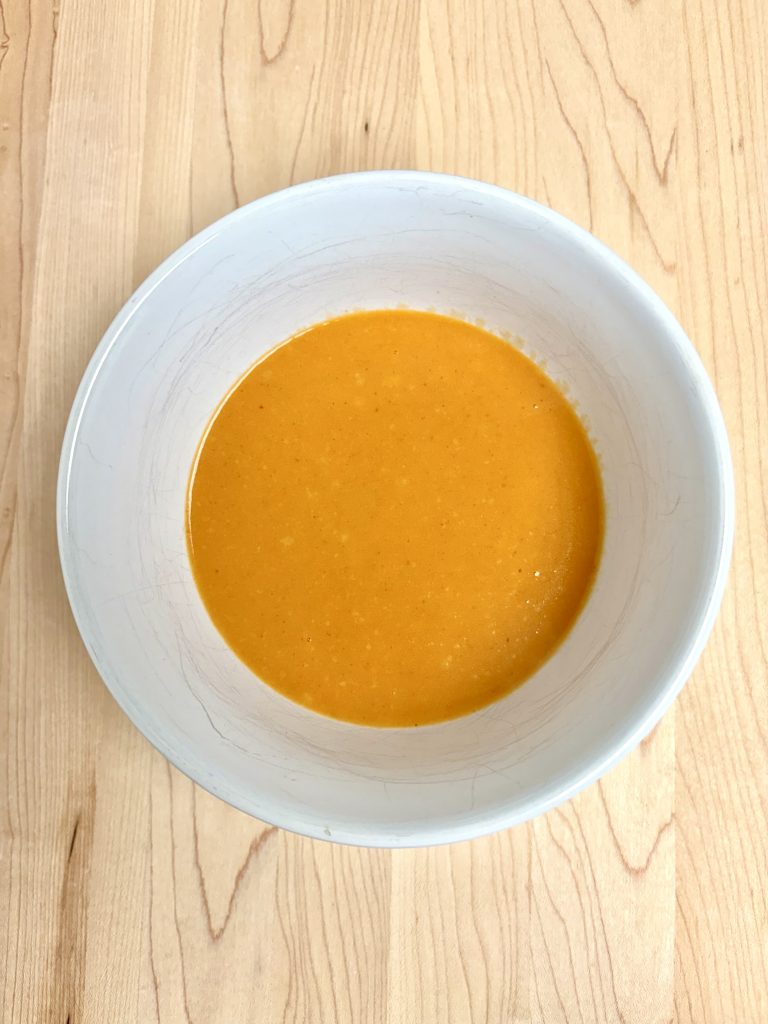
Buffalo Sauce Recipe (Freezer Friendly)
Prep Time: 5 minutes
Cook Time: 5 minutes
Total Time: 10 minutes
Yield: Approximately 1¼ cups
Ingredients
- 2 tablespoons unsalted butter
- 2 teaspoons all-purpose flour
- 1 cup chicken broth
- ¼ cup Frank’s RedHot Original Cayenne Pepper Sauce, or your favorite hot sauce
Instructions
- Melt the butter in a small saucepan over medium-low heat.
- Whisk in the flour and cook for about 1 minute, stirring continuously, to form a smooth roux.
- Gradually pour in the chicken broth while whisking constantly to prevent lumps.
- Continue stirring until the sauce is smooth and begins to thicken.
- Stir in the hot sauce until fully combined.
- Taste and adjust the heat by adding more hot sauce if desired.
- Remove from the heat. Transfer to a shallow container and refrigerate promptly until chilled.
- Use immediately or portion into freezer-safe containers or silicone freezer trays.
Notes
- Use unsalted butter to better control the saltiness.
- Add garlic powder, onion powder, black pepper, or other seasonings to taste.
- The roux helps stabilize the sauce and reduce separation during freezing and reheating.
- This sauce is delicious with chicken, shrimp, rice, potatoes, vegetables, and macaroni and cheese.
Want the complete freezer meal system? Click below for a free download.
Final Thoughts
This is one of my favorite recipes because I love the zesty, spicy, satisfying flavor of buffalo sauce.
The roux helps hold everything together, giving the sauce a smooth texture that works beautifully for freezer meal prep. Instead of making a sauce that tastes great fresh but may separate after freezing, this recipe is designed to make preparing meals ahead of time easier.
Whether you’re spooning it over chicken, adding it to mac and cheese, or freezing individual portions for later, it’s a simple way to bring a lot of flavor to your meals.
Make a batch, freeze what you don’t need right away, and enjoy it whenever you’re ready.
Cook once. Eat later.
Looking for the tools behind this system?
View Recommended Tools
About the Author
Here at Cook Once Eat Later we share freezer meal recipes, meal prep systems, and practical freezing guides designed to help busy people save time without sacrificing flavor. Our focus is helping meals retain their texture, moisture, and quality long after they’ve been frozen.
Follow Cook Once Eat Later on Instagram for freezer meal tips, recipes, and meal prep inspiration.
FAQ
Can you freeze homemade buffalo sauce?
Yes. You can freeze this homemade buffalo sauce in an airtight, freezer-safe container or in individual portions using silicone freezer trays. The roux helps stabilize the sauce and reduce separation during thawing and reheating.
Why does buffalo sauce separate when frozen?
Traditional buffalo sauce often combines melted butter directly with hot sauce. Because these ingredients don’t naturally stay mixed, the sauce can separate as it cools, freezes, and reheats. In this recipe, the roux helps stabilize the mixture and maintain a more consistent texture.
How long does homemade buffalo sauce last in the freezer?
I recommend using this sauce within 3–4 months for the best flavor and texture. Keep it continuously frozen in suitable airtight packaging, and label and date your containers.
Can you freeze buffalo sauce in silicone molds?
Absolutely! Silicone freezer trays are a convenient way to freeze buffalo sauce in individual portions. Once the portions are solid, transfer them to a labeled freezer bag or airtight container.
Do you have to thaw buffalo sauce before using it?
No. You can thaw the sauce in the refrigerator or add a frozen portion directly to a saucepan or meal while cooking. Warm it gently and stir as needed.
How do you reheat frozen buffalo sauce without separating it?
Reheat the sauce gently over low to medium-low heat on the stovetop, stirring frequently. If using a microwave, heat it in short intervals and stir between each one. Avoid overheating, and whisk the sauce if needed to help restore a smooth consistency.
Is buffalo sauce good for freezer meal prep?
Yes. This recipe is designed for freezer meal prep because the roux helps stabilize the sauce during freezing and reheating. You can freeze it separately or incorporate it into a complete meal with your favorite protein, starch, and vegetables.
What can you eat with buffalo sauce?
Buffalo sauce pairs well with chicken, shrimp, beef, tofu, rice, potatoes, pasta, and vegetables such as broccoli, cauliflower, carrots, and bell peppers. You can also stir it into macaroni and cheese for extra heat and flavor.