By Cook Once. Eat Later. • Updated October 4, 2026
Freezing fresh herbs is an easy, cost-effective way to have a variety of herbs ready to go without creating waste.
In my household, we go through a lot of fresh herbs. We purchase live plants from grocery and garden stores, grow our own fresh herbs in the backyard, and sometimes buy them in bulk when we know we’re going to use them regularly.
The problem is that some recipes don’t call for all of the fresh herbs we buy. If you don’t have a plan for the leftovers, they can quickly go to waste.
In this guide, we’ll go over some easy ways to freeze a variety of fresh herbs so you can save money, reduce food waste, and always have herbs ready to add flavor to your freezer meals or everyday dinners.
What Is the Best Way to Freeze Fresh Herbs (Quick Guide)
The best way to freeze fresh herbs depends on the type of herb and how you plan to use it.
For the most versatility, I prefer freezing fresh herbs without water or oil. Simply wash and dry your herbs thoroughly, chop tender herbs, leave hardy herbs whole or partially chopped, and freeze them in an airtight container or freezer-safe bag.
View Recommended Reusable Silicone Freezer Bags
You can also freeze herbs in oil for cooking or water for soups, stocks, and other dishes where oil isn’t needed.
The most important things are starting with fresh herbs, drying them thoroughly, using the right freezing method, and limiting their exposure to air.
Disclosure: This article may contain affiliate links. As an Amazon Associate, I earn from qualifying purchases at no extra cost to you.
Can You Freeze Fresh Herbs?
Yes, you can freeze fresh herbs, and it’s something we do in our household all the time. It’s a great way to keep herbs ready to go whenever you need them, and we even make our own herb blends so we have some of our favorite combinations ready whenever we’re cooking.
The important thing to understand is that there are different ways to freeze fresh herbs, and the best method depends on how you plan to use them.
Freezing herbs will slightly change their texture, which can affect how you use them after they’re thawed. For example, I wouldn’t use frozen herbs as a garnish because they won’t have the same fresh texture and appearance as herbs straight from the garden or grocery store.
Instead, frozen herbs are best used in cooked dishes, sauces, soups, marinades, stir-fries, and freezer meals where you want the flavor of fresh herbs without needing the herbs to maintain their original texture.
Which Fresh Herbs Can You Freeze?
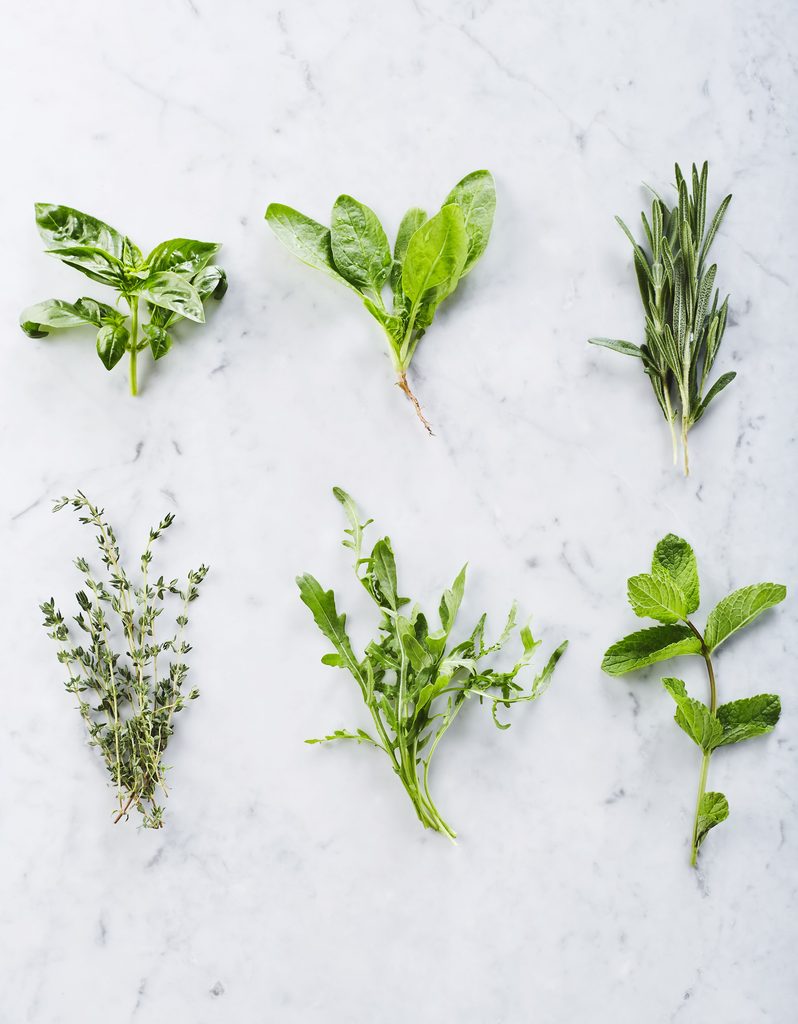
I like to split freezing fresh herbs into two different categories: tender herbs and hardy herbs.
Tender Herbs
Tender herbs have softer leaves and stems, and I generally like to chop them up before freezing.
- Basil
- Cilantro
- Parsley
- Dill
- Mint
- Chives
Hardy Herbs
Hardy herbs have sturdier leaves and stems, which gives you a little more flexibility when freezing them. You can chop them up, or freeze them whole if you prefer.
- Rosemary
- Thyme
- Oregano
- Sage
Most fresh herbs can be frozen. The key is choosing the right freezing method for the herb and, more importantly, how you plan to use it later.
Which Freezing Method Should You Use?
There are three different methods that I typically use when freezing fresh herbs. The best method really depends on how you plan to use the herbs later.
1. Freeze Fresh Herbs in Oil
This is the method I use the least often, but it can be really useful in the right situation.
Freezing fresh herbs in oil is ideal when you’re planning to use them in:
- Sautéed dishes
- Sauces
- Pasta
- Seasoning meats
- Vegetables
- Other cooked dishes that already call for oil
If the dish doesn’t call for oil, I usually try not to use this method. Adding oil can make the frozen herbs a little more restricted in how you can use them.
The benefit is that you’re not just freezing the herbs — you’re also infusing the oil with their flavor, giving you a ready-to-use combination for cooking.
2. Freeze Fresh Herbs in Water
Freezing herbs in water is a great option when you’re going to use them in dishes where oil isn’t necessary.
This method works particularly well for:
- Soups
- Stocks
- Sauces
- Stews
- Other cooked dishes
The water also helps keep the herbs from being directly exposed to cold, dry freezer air, which can help protect them during storage.
3. Freeze Fresh Herbs Without Liquid
This is probably our favorite way to freeze fresh herbs because it’s the most versatile. You’re not adding any oil or water, so you can use the herbs in almost anything you would normally add fresh herbs to.
Instead of freezing the herbs in water or oil, you simply chop them, portion them into small containers, and freeze them on their own. I also like to create my own herb blends this way so I have some of my favorite combinations ready to go.
Once they’re frozen, you can take out a small amount whenever you need it and add the herbs directly to your cooking.
This method gives you the most flexibility because you’re not adding extra water or oil to whatever you’re making. You can use the herbs in almost anything where you would normally add fresh herbs.
Want to create your own freezer meals? Click below and get your free freezer meal blueprint.
How to Prepare Fresh Herbs for Freezing
No matter which freezing method you choose for your fresh herbs, you’re always going to want to wash and dry your herbs thoroughly before proceeding with your chosen method.
Wash Your Herbs
Washing your herbs is simple. I always leave them whole and place them into a colander or strainer, then run cold water through them.
You can also place your herbs into a bowl of cold water, but I find that running them through a colander or strainer is the easiest and most effective method.
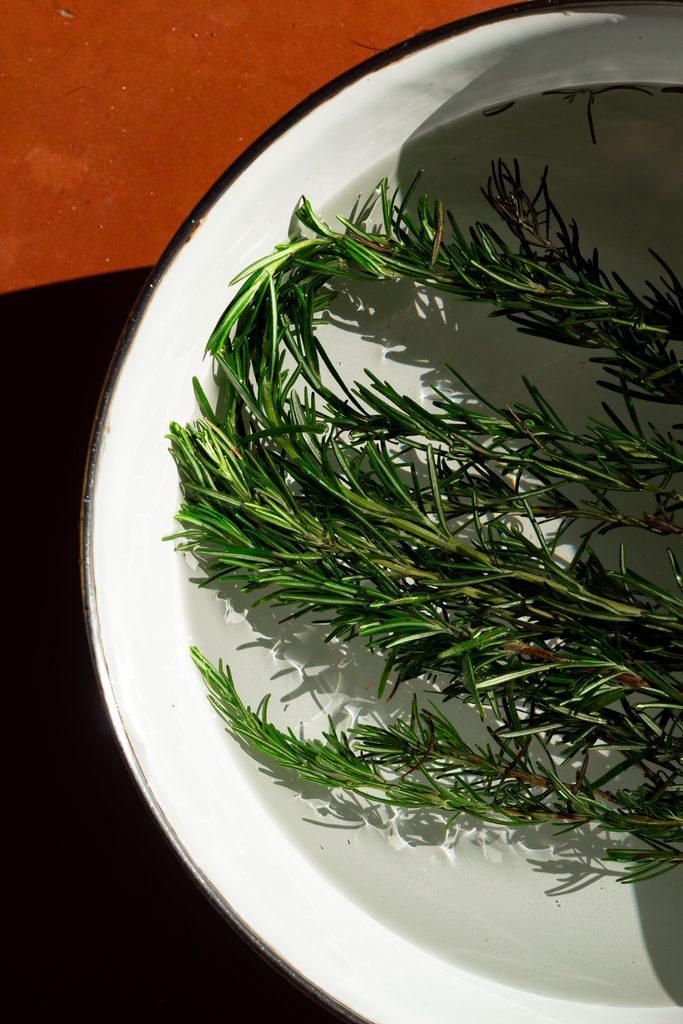
This helps remove any dirt, debris, or anything else you don’t want ending up in your food or getting frozen along with your herbs.
Dry Your Herbs Thoroughly
After washing your herbs, make sure you dry them thoroughly before freezing.
Excess water can create ice crystals, which can negatively affect the texture and quality of your herbs. Removing as much excess moisture as possible will help give you better results when freezing and storing them.
You can learn more about properly freezing and preventing freezer burn in our related articles, which I’ll link below.
How to Prevent Ice Crystals in Frozen Meals (Why They Happen)
Remove the Stems and Chop Your Herbs
The final step is optional and will depend on the type of herb and the freezing method you’re using.
For tender herbs, such as:
- Basil
- Cilantro
- Parsley
- Dill
- Mint
- Chives
I typically like to remove the stems and chop the herbs finely before freezing them.
For hardy herbs, such as:
- Rosemary
- Thyme
- Oregano
- Sage
I usually prefer to leave them whole.
The reason is that hardy herbs have sturdier leaves and stems, which gives them more flexibility when freezing. They tend to hold up better and preserve their texture, making them suitable for freezing whole.
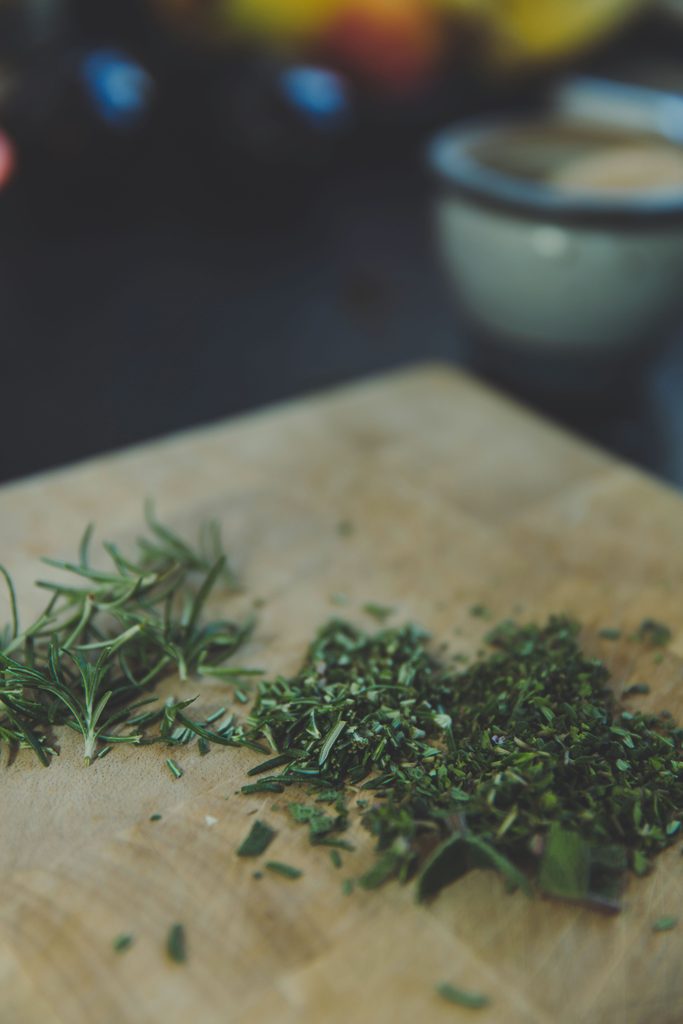
Tender herbs are much more delicate. When frozen whole, they tend to break down, wilt, and lose more of their texture and quality. Chopping them before freezing makes them much easier to portion and use later.
How to Freeze Fresh Herbs in Oil
Freezing fresh herbs in oil is a great option when you know you’re going to use the herbs in dishes that already call for oil. Here’s how I like to do it.
Step 1: Wash and Dry the Herbs
Make sure your herbs are clean and as dry as possible before freezing. Any excess moisture can create ice crystals and negatively affect the final texture.
Step 2: Chop the Herbs if Needed
If you’re using a tender herb, chop it before freezing. You don’t need to finely mince the herbs. I prefer to leave them in roughly chopped pieces.
The size you choose can also depend on what you’re planning to use the herbs for later.
Step 3: Portion the Herbs
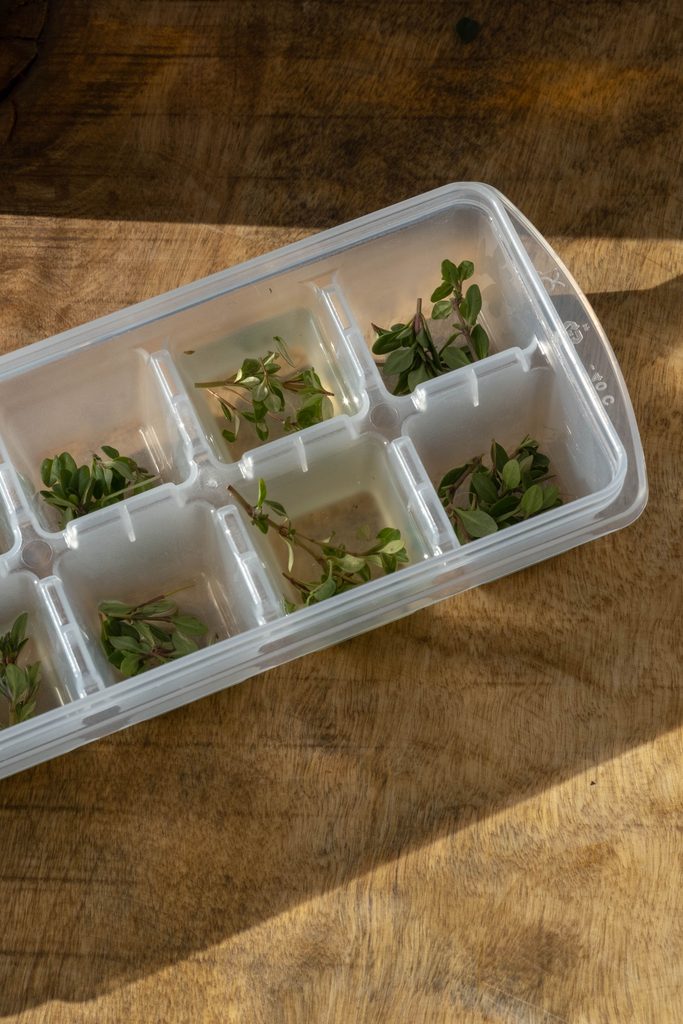
Add the chopped herbs to a silicone freezer tray or ice cube tray, dividing them into individual portions.
Think about how you’re going to use the herbs when deciding how much to put in each portion. I typically aim for around 2–4 tablespoons of herbs per serving, but you can adjust this based on your own recipes and preferences.
Step 4: Fill With Oil
Fill each individual portion with oil, making sure the herbs are covered.
I typically use a neutral oil such as avocado oil. Not every recipe is going to call for an oil with a strong flavor, such as extra-virgin olive oil, so using a neutral oil gives you more flexibility when you’re ready to use your frozen herbs.
Step 5: Freeze Until Solid
Place the tray in the freezer and freeze the herb-and-oil portions until completely solid.
This usually takes a few hours, but you can also leave them in the freezer overnight.
Step 6: Transfer, Label, and Date
Once the herb cubes are frozen solid, remove them from the tray and transfer them to a freezer-safe bag or container.
Shop all of our recommended tools by shopping this link below, just click here.
Label the container with the type of herb and the date you froze it. This makes it much easier to find what you need later and keep track of what’s in your freezer.
How to Freeze Fresh Herbs in Water
Freezing fresh herbs in water is very similar to the oil method. I like to use this method when the recipe doesn’t call for oil and I want a little more flexibility in how I use my frozen herbs later.
Step 1: Wash and Dry the Herbs
Start by washing your fresh herbs thoroughly and drying them as much as possible. You want to remove any dirt or debris while also getting rid of excess moisture before you begin.
Step 2: Chop the Herbs if Needed
Depending on how you plan to use the herbs later, you can either leave them whole or chop them.
If you’re using tender herbs, I generally prefer to chop them before freezing. Hardy herbs can often be left whole if that’s more convenient for you.
Step 3: Portion the Herbs
Add the herbs to a silicone freezer tray or ice cube tray, portioning them based on how much you’ll want to use at a time.
I typically use around 2–4 tablespoons per portion, but you can adjust this depending on the recipes you’ll be making.
Step 4: Add Water
Fill each portion with water, making sure the herbs are covered.
Step 5: Freeze Until Solid
Place the tray in the freezer and allow the herb-and-water portions to freeze completely.
This usually takes a few hours, but you can also leave them overnight.
Step 6: Transfer, Label, and Date
Once the herb cubes are frozen solid, transfer them to a freezer-safe bag or container.
Label the container with the type of herb and the date you froze it so you know exactly what you have ready to use in your freezer.
How to Freeze Fresh Herbs Without Water or Oil
This is probably our favorite way to freeze fresh herbs because it’s the most versatile. You’re not adding any oil or water, so you can use the herbs in almost anything you would normally add fresh herbs to.
Step 1: Wash and Dry the Herbs
Start by washing your herbs thoroughly and drying them as much as possible. Make sure there’s no dirt, debris, or excess moisture left on the herbs before you continue.
Step 2: Decide Whether to Chop or Leave Them Whole
How you prepare the herbs will depend on the type of herb and how you plan to use it.
I generally like to chop tender herbs and leave hardy herbs whole or partially chopped.
This makes the herbs easier to portion and use later while still giving you the flexibility to use them however you want.
Step 3: Let the Herbs Dry a Little More
If you’ve chopped your herbs, you’ll probably notice that they have released a little bit of moisture.
I like to let them dry for a little longer before freezing them. This helps prevent the herbs from sticking together and forming one large clump in the freezer.
Step 4: Package the Herbs
Once your herbs are dry, place them into an airtight container or freezer-safe bag.
Try to remove as much air as possible before sealing the container or bag. Limiting the amount of air around your herbs helps protect their quality and reduce the risk of freezer burn during long-term storage.
Step 5: Freeze
Place your herbs in the freezer and allow them to freeze completely.
This usually takes a few hours, but you can also leave them overnight. Once they’re frozen, you don’t have to do anything else — just keep them stored in the freezer and grab what you need when you’re ready to cook.
Step 6: Label and Date
I always recommend labeling and dating your frozen herbs.
This is especially helpful if you’re creating your own herb blends. You can combine your favorite herbs into one container and have a ready-to-use blend whenever you need it.
How to Use Frozen Fresh Herbs
The best part about frozen fresh herbs is how easy they are to use. In most situations, you don’t need to thaw them before adding them to your cooking.
Frozen herb cubes, whether they’re frozen in oil or water, can typically be added directly to a:
- Pan
- Soup
- Stock
- Broth
- Sauce
- Stir-fry
- Freezer meal
They’ll quickly thaw as they heat up, releasing their flavor directly into whatever you’re cooking.
The same goes for herbs that you’ve frozen without water or oil. You can add them directly to whatever you’re cooking, or even add them to your freezer meals before they go into the freezer.
Use Frozen Herbs in Sauces
I especially love using frozen herbs in sauces. They’re an easy way to add fresh herb flavor without having to wash, chop, and measure herbs every time you make a sauce.
Create Your Own Fresh Herb Blends
One of my favorite things about freezing fresh herbs — and something I don’t typically do with fresh herbs that aren’t frozen — is creating my own herb blends.
You can take your favorite herbs, chop them into manageable pieces, mix them together in a container, label the blend, and throw it in the freezer. Then, whenever you’re cooking, you have a ready-to-use combination of herbs for sauces, freezer meals, and other dishes.
One of my favorite combinations is basil and oregano. I love adding this blend directly to sauces when I’m making pasta.
It’s a simple way to have your favorite flavor combinations ready to go whenever you need them.
How Long Do Frozen Fresh Herbs Last?
Frozen fresh herbs can last months in your freezer, but I find that the quality is what matters most.
For fresh herbs frozen without any liquid in a freezer-safe bag or container, I generally find that 2–3 months is a good timeframe to use them while they’re still maintaining their flavor, texture, and overall quality.
After that point, the herbs don’t necessarily become unusable. They may simply start to lose some of the qualities that made them desirable in the first place.
Herbs frozen in oil or water can often maintain their quality for longer, but I like to follow the same general 2–3 month guideline for the best results.
Proper packaging is also important. The more exposure your herbs have to air, the greater the chance of freezer burn and quality loss over time.
For additional information about freezer storage and recommended storage times, you can also refer to the FDA’s food storage guidelines.
How to Prevent Freezer Burn With Fresh Herbs
Freezer burn is one of the biggest things you want to avoid when storing fresh herbs long-term. Fortunately, there are a few simple things you can do to help protect their quality.
Remove as Much Air as Possible
The first thing you want to do is remove as much excess air as possible from your storage container or freezer bag.
Air exposure can cause moisture to leave your herbs, which can lead to ice crystals and freezer burn over time. Using freezer-safe storage bags or airtight containers and removing as much excess air as possible will help protect the herbs.
Freeze in Individual Portions
Freezing your herbs in individual portions or smaller quantities is another great way to reduce freezer burn.
When everything is stored in one large container, you’re constantly opening it and exposing the herbs to temperature changes and additional air. Smaller portions mean you can take out exactly what you need without repeatedly exposing the rest of your herbs.
Label and Date Everything
Finally, make sure you label and date your frozen herbs.
This makes it much easier to keep track of how long they’ve been in the freezer and helps you use older herbs before newer batches.
For more information about preventing freezer burn and keeping your food in the best possible condition, check out our article on How to Prevent Freezer Burn.
Fresh Herbs vs. Frozen Herbs
While frozen herbs are a go-to in our household, fresh herbs can’t be completely replaced — especially when you’re looking for the best appearance and texture.
Fresh herbs are always going to be the better choice when you want that fresh, vibrant look and texture in a finished dish.
The good news is that frozen herbs can still retain plenty of their flavor. What changes most is the texture and appearance.
That’s why I don’t typically use frozen herbs as a garnish. Instead, I use them primarily for cooking, where their flavor can still shine without the change in texture being as noticeable.
For us, freezing fresh herbs isn’t about replacing fresh herbs entirely. It’s about having another option that helps reduce waste and keeps that fresh-herb flavor ready to go whenever we need it.
Common Mistakes When Freezing Fresh Herbs
There are a few common mistakes that can have a big impact on the texture, flavor, and overall quality of your frozen herbs.
Freezing Tender Herbs Whole
One of the biggest mistakes I see is freezing tender herbs whole.
Herbs like basil, cilantro, parsley, dill, mint, and chives are more delicate and tend to break down when frozen whole. I generally prefer to chop these herbs before freezing so they’re easier to portion and use later.
Freezing Herbs Wet or Dirty
Always make sure your herbs are clean and thoroughly dried before freezing them.
Freezing herbs while they’re still dirty can trap unwanted debris with your food, while excess moisture can create ice crystals and negatively affect their texture and quality.
Taking a few extra minutes to properly wash and dry your herbs makes a big difference.
Using the Wrong Freezing Method
The method you choose can also affect the final result.
Think about how you’re going to use the herbs before you freeze them. If you’re cooking with oil, freezing herbs in oil can be a great option. If you’re adding them to soups or stocks, water may make more sense. And if you want the most flexibility, freezing them without any liquid is usually my preferred method.
Leaving Too Much Air in the Packaging
Make sure you’re removing as much excess air as possible and using proper freezer-safe packaging.
Too much air exposure can contribute to freezer burn and reduce the quality of your herbs over time.
Freezing Herbs That Are Already Losing Quality
The last thing you want to do is freeze herbs that are already spoiled, wilted, or losing their quality.
Freezing isn’t going to reverse that process. Start with herbs that are as fresh as possible so you can preserve them at their best.
Final Thoughts
We constantly use fresh herbs in our household, but we don’t always use all of them. We grow them in our garden, buy them from the store, and almost always have some sitting in our fridge.
The last thing you want is for those herbs to go to waste.
Learning how to properly freeze fresh herbs is an easy way to step up your freezer game, save money, reduce food waste, and add more flavor to your meals.
Whether you freeze them in oil, water, or on their own, having your favorite herbs ready to go in the freezer makes cooking that much easier.
Looking for the tools behind this system?
View Recommended Tools
About the Author
Here at Cook Once Eat Later we share freezer meal recipes, meal prep systems, and practical freezing guides designed to help busy people save time without sacrificing flavor. Our focus is helping meals retain their texture, moisture, and quality long after they’ve been frozen.
Follow Cook Once Eat Later on Instagram for freezer meal tips, recipes, and meal prep inspiration.
Sources
- USDA Freezing and Food Safety:
Food Safety Chart
FAQ
Can you freeze fresh herbs?
Yes. Almost all common fresh herbs can be frozen, although the best method depends on the type of herb and how you plan to use it.
What is the best way to freeze fresh herbs?
For the most versatility, I prefer freezing fresh herbs without water or oil. Tender herbs can be chopped and frozen in an airtight container, while hardy herbs can be frozen whole or partially chopped.
Can you freeze fresh herbs in ice cube trays?
Yes. Ice cube or silicone trays are great for portioning herbs with either water or oil. You can freeze individual portions, then transfer the frozen cubes to a freezer-safe bag or container.
Can you freeze fresh herbs in olive oil?
Yes. Freezing herbs in oil works particularly well for herbs that you’ll use in sautéed dishes, sauces, pasta, meat, and vegetables. I personally prefer a neutral oil such as avocado oil when I want more flexibility.
Can you freeze herbs without oil?
Yes. This is actually my preferred method because it gives you the most flexibility. Properly wash and dry the herbs, chop them if needed, and freeze them in an airtight container or freezer-safe bag.
Do you have to wash fresh herbs before freezing?
Yes. I recommend washing fresh herbs thoroughly to remove dirt and debris before freezing them. Make sure you dry them thoroughly afterward.
Should fresh herbs be dried before freezing?
Absolutely. Excess moisture can create ice crystals and negatively affect the texture and quality of your herbs.
How long do frozen fresh herbs last?
I generally recommend using frozen herbs within 2–3 months for the best flavor, texture, and quality. They may still be usable after that, but their quality can gradually decline.
Can you freeze basil?
Yes. Basil can be frozen, and I generally prefer to chop it before freezing. You can freeze it without liquid or portion it into oil-based cubes depending on how you plan to use it.
Can you freeze cilantro?
Yes. Cilantro can be frozen and is particularly useful when added to cooked dishes, sauces, rice, and other recipes where fresh texture isn’t essential.
Can you freeze rosemary?
Yes. Rosemary is a hardy herb, so you can freeze it whole or partially chopped. Its sturdy leaves and stems make it particularly well suited to freezing.
Can you freeze herbs directly into freezer meals?
Yes. Frozen herbs can be added directly to many freezer meals. This is one of the easiest ways to add flavor to your meal prep without having to keep fresh herbs on hand.
Do frozen herbs need to be thawed before cooking?
Usually not. Frozen herbs can typically be added directly to soups, sauces, stir-fries, pans, and other cooked dishes. Frozen herb cubes can also be added directly to hot dishes and allowed to melt as the meal cooks.