
By Cook Once. Eat Later. • Updated August 30, 2026
Yes, you can freeze soup, and it’s actually one of the easiest ways to make homemade meals ahead of time. Soups that are broth-based, bean-based, lentil, vegetable, and chili generally freeze very well.
Ultimately, though, it comes down to the ingredients and how they’re cooked. Some ingredients hold up beautifully in the freezer, while others can change texture after they’re thawed and reheated.
The good news is that freezing soup is a simple process, and it’s easy to make a large batch at once. Having portions ready in the freezer is something you’ll really appreciate when you’re looking for a quick, delicious, home-cooked freezer meal without having to start from scratch.
How to Freeze Soup (Quick Guide)
- Yes, most soups freeze well, especially broth-based, bean, lentil, vegetable, and meat-based soups.
- Let cooked soup cool safely before freezing.
- Portion soup into freezer-safe containers or bags.
- Remove excess air and seal containers well to help prevent freezer burn.
- Label and date your soup before freezing.
- For the best quality, use frozen soup within 2–3 months.
- Thaw soup in the refrigerator, or reheat it directly from frozen when necessary.
- Pasta, rice, potatoes, and dairy can change texture when frozen, so it’s often better to add them later.
What Soups Freeze Well?
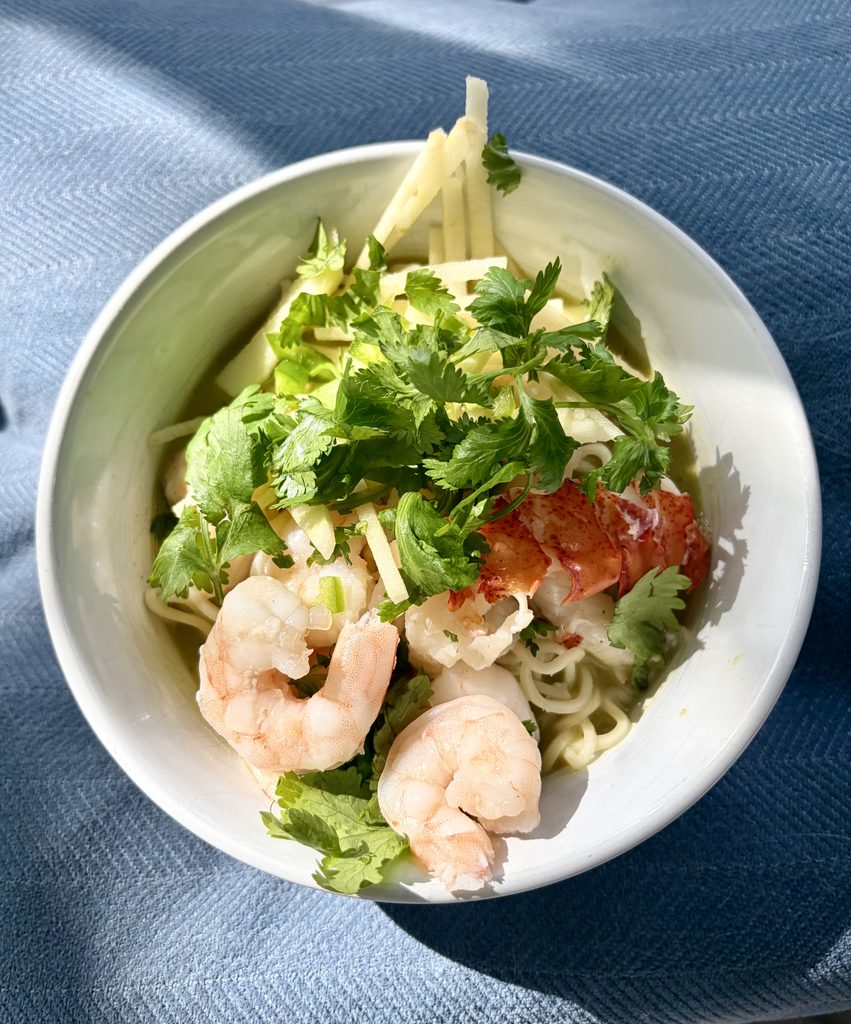
The soups that freeze best generally come down to the ingredients and the base of the soup. Broth-based soups, soups made with beans and other legumes, puréed vegetable soups, and meaty stews are all good candidates for the freezer.
In general, you want to look for soups that avoid ingredients that don’t hold up well to freezing. We’ll get into those ingredients in the next section, but you can also check out our guide to vegetables that don’t freeze well for a more detailed list.
There’s some simple science behind this, too. The cell structure of certain ingredients handles freezing and reheating better than others. Ingredients that hold their texture through that process will generally give you a much better soup after thawing and reheating.
Some good freezer-friendly soups include:
- Chicken soup
- Vegetable soup
- Lentil soup
- Bean soup
- Chili
- Tomato soup
- Broth-based soups
- Puréed vegetable soups
- Meaty stews
What Soups Don’t Freeze Well?
Some soups don’t freeze as well as others because certain ingredients don’t hold up during the freezing, thawing, and reheating process.
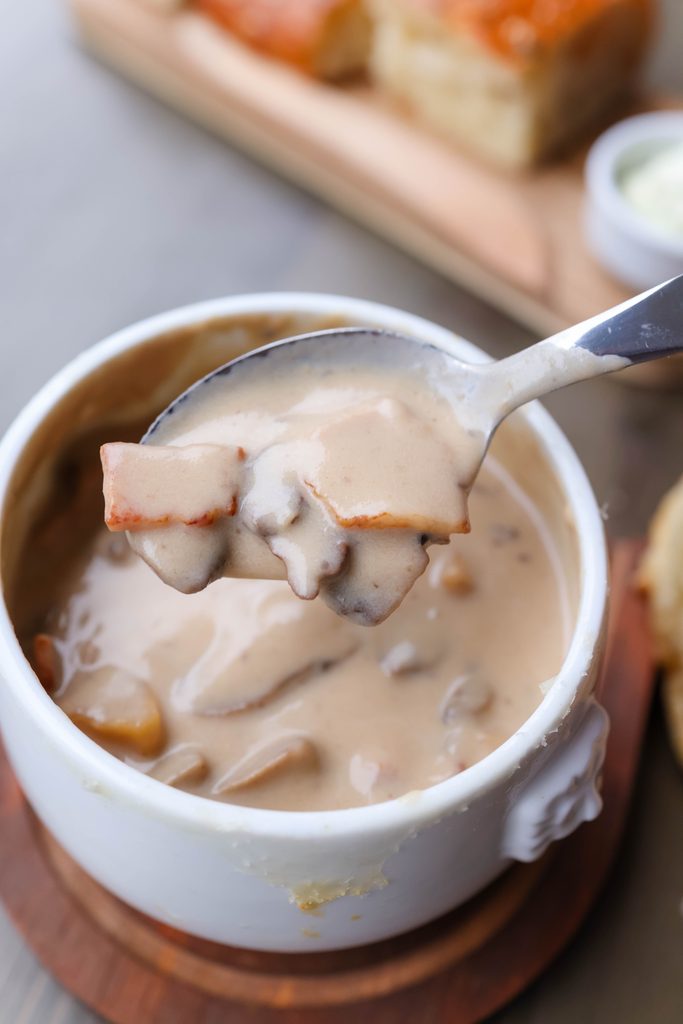
Cream- or milk-based soups, soups with noodles or rice, and soups containing certain vegetables can be more difficult to freeze successfully. These ingredients can change texture as they go through the freeze-and-thaw process, leaving you with a soup that’s separated, mushy, grainy, or otherwise not quite as good as it was fresh.
This comes down, in part, to the cell structure of the ingredients. When certain foods freeze, ice crystals can damage their cell structure. Once they’re thawed and reheated, they may lose some of their original texture and quality.
That doesn’t necessarily mean you can’t freeze these soups. In many cases, there are simple ways to work around the problem—which we’ll cover later in this guide.
How to Freeze Soup Step-by-Step
Freezing soup is easy as long as you follow a few general guidelines. The exact process can vary depending on what you have available at home, but these steps will give you a good starting point.
1. Start With a Freezer-Friendly Soup
Before you freeze anything, make sure the soup itself—and the ingredients you’re using—will hold up well in the freezer. Broth-based soups, bean and lentil soups, vegetable soups, and many stews are great options.
2. Cool the Soup Safely
Once your soup is finished cooking, cool it completely and safely before freezing.
When I worked in a restaurant, one of the best methods we used was to place the pot of soup into a larger container filled with ice and water, then stir the soup regularly to help it cool quickly and evenly. Once it was cooled, we could portion it out and freeze it.
At home, you may not have a large ice bath available. In that case, transfer the soup to a separate pot or container that’s already been chilled in the refrigerator. This helps the soup cool down faster before you put it in the fridge.
Cooling the soup before refrigerating it also helps reduce the amount of steam and moisture released into your refrigerator.
3. Portion the Soup
Once the soup has cooled, divide it into portions using your preferred freezer-safe containers. Portioning your soup before freezing makes it much easier to thaw exactly what you need later.
4. Seal and Label
Seal your containers tightly and label them with what the soup is and the date you froze it. This makes it much easier to keep track of what’s in your freezer.
5. Freeze the Soup
Place the soup in the freezer, ideally toward the back of the freezer, where temperatures tend to remain more consistent.
Freezing the soup efficiently helps minimize the formation of large ice crystals, which can damage texture. The faster and more consistently your soup freezes, the better its quality should be when you eventually thaw and reheat it.
Want the complete freezer meal system? Get the free blueprint.
The Best Containers for Freezing Soup
The best container for freezing soup really comes down to how you want to organize your freezer, how you plan to thaw and reheat the soup, and how you want to eat it later. There isn’t one container that’s perfect for everyone.
Freezer Bags
Freezer bags are one of the most convenient options because they take up very little space and can be stacked or frozen flat. They’re especially useful if you’re trying to maximize freezer space or you’re freezing large batches for family-style meals.
The downside is convenience when you’re taking soup somewhere. You probably don’t want to bring a bag of frozen soup to work and deal with transferring it into another container. Freezer bags work best when you’re planning to thaw the soup at home and serve it as a family meal.
Glass Meal Containers or Freezer-Safe Jars
Glass containers are personally one of my favorite ways to freeze soup. They’re convenient because the same container can go from the freezer to thawing and, when appropriate, reheating and eating.
They’re especially useful for meal prep. You can portion your soup ahead of time, thaw it, reheat it, and take it to work without having to transfer it into another container.
Just make sure the glass container or jar is specifically designed to be freezer-safe and follow the manufacturer’s instructions to avoid cracking from temperature changes.
Silicone Molds
Silicone molds are another versatile option, especially if you like having different portion sizes available.
You can freeze individual portions, pop out a few when you need them, and combine them into a larger family-style meal. Or, you can take individual frozen portions and transfer them into a glass meal-prep container for lunch.
The downside is that you’ll need to purchase silicone molds specifically for this purpose, and not everyone has the freezer space or wants the extra equipment. But if you already have them, they’re a great option for flexible soup storage.
How Long Does Soup Last in the Freezer?
According to the FDA, soup is best used within two to three months for the best quality when stored in the freezer.
That doesn’t mean soup suddenly becomes unsafe after two or three months. Properly frozen soup can remain safe to eat beyond this timeframe, but you may start to notice changes in its quality, particularly from freezer burn and ice crystal formation.
Over time, freezer burn can affect the flavor and texture of the soup and some of its ingredients, so it may not taste or look quite as good as it did when it was fresh.
As we discuss in our other freezer-storage articles, a good general rule is to aim to use your frozen soup within two to three months for the best quality.
How to Thaw and Reheat Frozen Soup
Thawing and reheating frozen soup is easy, as long as you avoid leaving it sitting out on the counter. For the best combination of food safety and quality, take your soup out of the freezer and place it in the refrigerator to thaw while keeping it cold.
If you don’t have time to thaw your soup first, you can also reheat it directly from frozen. The stovetop and microwave both work well for this.
Whichever method you use, the key is to reheat the soup gently rather than aggressively. Give it time to thaw and slowly warm through, stirring as needed to help everything heat evenly.
Depending on the soup and how it was frozen, you may notice that it needs a little extra liquid or seasoning after reheating. Some moisture can be lost during storage and reheating, and flavors can mellow slightly in the freezer. A small splash of broth or water and a quick adjustment of seasoning can help bring the soup back to life.
How to Freeze Soup With Pasta, Rice, Potatoes & Dairy
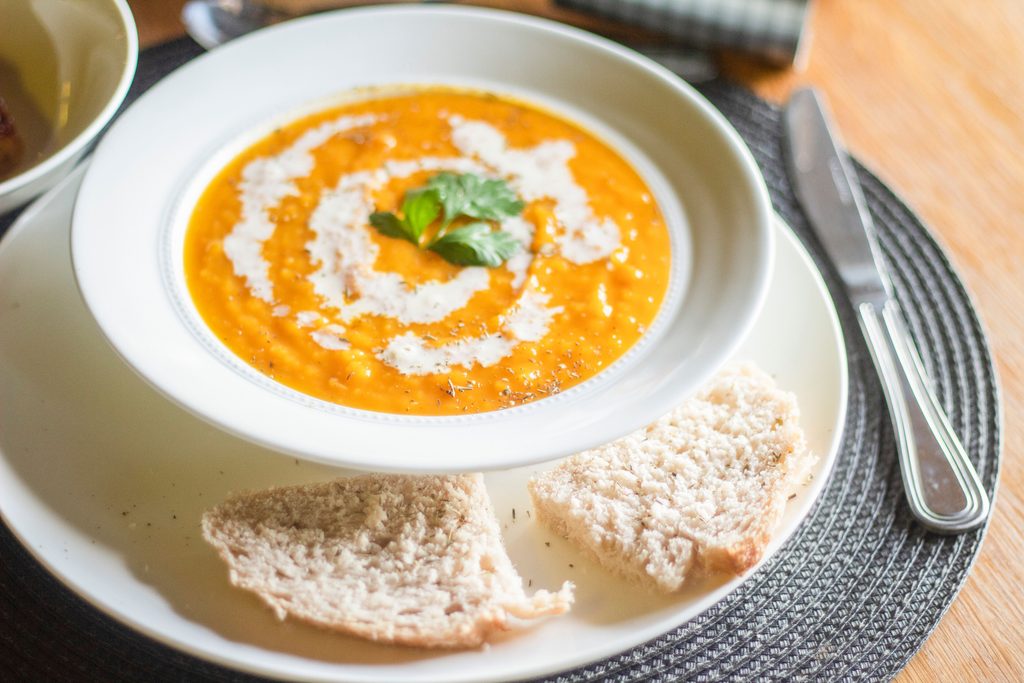
Freezing soup with pasta, rice, potatoes, and dairy can be tricky. These ingredients can break down or separate during freezing and reheating, leaving you with a mushy or altered texture.
The best solution is often to freeze the soup base separately and add these ingredients later, when you’re ready to eat.
For example, if you’re making chicken noodle soup, prepare and freeze the chicken soup base without the noodles. When you’re ready to serve it, cook the pasta separately and add it to the reheated soup. This keeps the noodles from becoming soft, mushy, or broken down after freezing.
The same approach works well with dairy. Instead of adding cream or other dairy products before freezing, add them after the soup has been thawed and reheated. This helps prevent the dairy from separating and gives you a much better final texture.
It takes a little extra preparation, but you’ll end up with a soup that’s much closer to the way it tasted when it was freshly made.
How to Prevent Freezer Burn on Soup
Preventing freezer burn on soup is easy as long as you follow a few simple guidelines.
First, remove as much excess air as possible from the container before freezing. Air exposure can contribute to moisture loss and ice crystal formation, which can lead to freezer burn and affect the quality of your soup.
Using the right freezer-safe container and avoiding large amounts of empty space can help limit that exposure. Make sure your containers are properly sealed before putting them in the freezer.
Finally, label and date everything and store your soup toward the back of the freezer. Keeping your soup in a consistently cold area helps limit temperature fluctuations and reduces the chances of it partially thawing and refreezing.
These simple steps can help your soup maintain its flavor and texture for longer.
For more tips, check out our guide on How to Prevent Freezer Burn.
Can You Freeze Soup in a Mason Jar?
Yes, you can freeze soup in a Mason jar if the jar is appropriate for freezing.
Not all glass jars are designed to withstand freezing temperatures and the expansion that happens when liquids freeze. Always check that the jar is freezer-safe and follow the manufacturer’s recommendations.
When freezing soup in glass, avoid filling the jar completely. Leave enough space for the soup to expand as it freezes, and avoid exposing the frozen jar to sudden temperature changes, which can cause the glass to crack.
Can You Freeze Soup in Ziploc Bags?
Yes, freezer bags are a great option for freezing soup.
Remove as much excess air as possible before sealing the bag, then lay it flat in the freezer. Once the soup has frozen solid, you can stack the bags upright or flat to save valuable freezer space.
Because liquid can leak before it freezes, make sure the bag is properly sealed and consider placing it on a tray while it freezes. Once solid, it becomes much easier to organize and store.
How to Tell If Frozen Soup Is Still Good
Figuring out whether frozen soup is still good usually happens once you begin thawing or reheating it. You might pull a container out of the freezer and notice some freezer burn, but freezer burn doesn’t necessarily mean the soup is unsafe to eat. It primarily affects quality.
Once the soup begins thawing or reheating, look for actual signs of spoilage, such as unusual changes in appearance, smell, or texture. If something smells off or looks noticeably different from what you would expect, it’s better not to take a chance.
This is another reason why labeling and dating your soup is so useful. If you find something that’s been sitting in the freezer well beyond the recommended storage time, its quality may have deteriorated significantly, and you should take extra care when deciding whether it’s still suitable to eat.
When in doubt, throw it out. But remember: seeing some freezer burn doesn’t automatically mean your soup has spoiled—it generally means you’ve lost some quality.
Final Thoughts
Freezing soup is simple as long as you follow a few key guidelines. If there’s anything to remember from this article, it’s this: use the right ingredients and freeze your soup properly. Those two things will go a long way toward making sure your soup tastes great when you’re ready to eat it.
Freezing soup is an easy way to have healthy, homemade meals ready to go straight from the freezer.
Cook once. Eat later.
About the Author
Here at Cook Once Eat Later we share freezer meal recipes, meal prep systems, and practical freezing guides designed to help busy people save time without sacrificing flavor. Our focus is helping meals retain their texture, moisture, and quality long after they’ve been frozen.
Follow Cook Once Eat Later on Instagram for freezer meal tips, recipes, and meal prep inspiration.
FAQ
Can you freeze soup after cooking?
Yes. Once cooked soup has been cooled safely, it can be portioned into freezer-safe containers and frozen.
Can you freeze soup with cream?
You can, but cream and other dairy products may separate during freezing and reheating. For better results, consider freezing the soup base without the dairy and adding the cream after reheating.
Can you freeze soup with noodles?
Yes, but noodles can become soft or mushy after freezing and reheating. For the best texture, freeze the soup without the noodles and cook fresh noodles when you’re ready to eat.
Can you freeze soup with rice?
You can, but rice can change texture after freezing and reheating. If possible, freeze the soup base separately and add freshly cooked rice when serving.
Can you freeze soup with potatoes?
Potatoes can become grainy or mealy after freezing, particularly when they make up a large portion of the soup. Consider freezing the soup base without the potatoes and adding fresh potatoes later when practical.
Can you freeze soup in glass?
Yes, as long as you’re using a container specifically designed to be freezer-safe. Leave room for expansion and avoid sudden temperature changes that could cause the glass to crack.
Can you freeze soup in freezer bags?
Yes. Freezer bags are especially useful when you want to save space. Remove excess air, seal the bag securely, and freeze it flat.
How long does homemade soup last in the freezer?
For the best quality, aim to use frozen soup within two to three months. It can remain safe beyond that when properly frozen, but its quality may decline over time.
Can you reheat soup directly from frozen?
Yes. You can reheat frozen soup directly on the stovetop or in the microwave. Reheat it gradually and stir as it warms to help it heat evenly.
Sources
- FoodSafety.gov:
Cold Food Storage Chart - USDA Freezing and Food Safety:
Freezer Storage Chart
