
By Cook Once. Eat Later. • Updated August 24, 2026
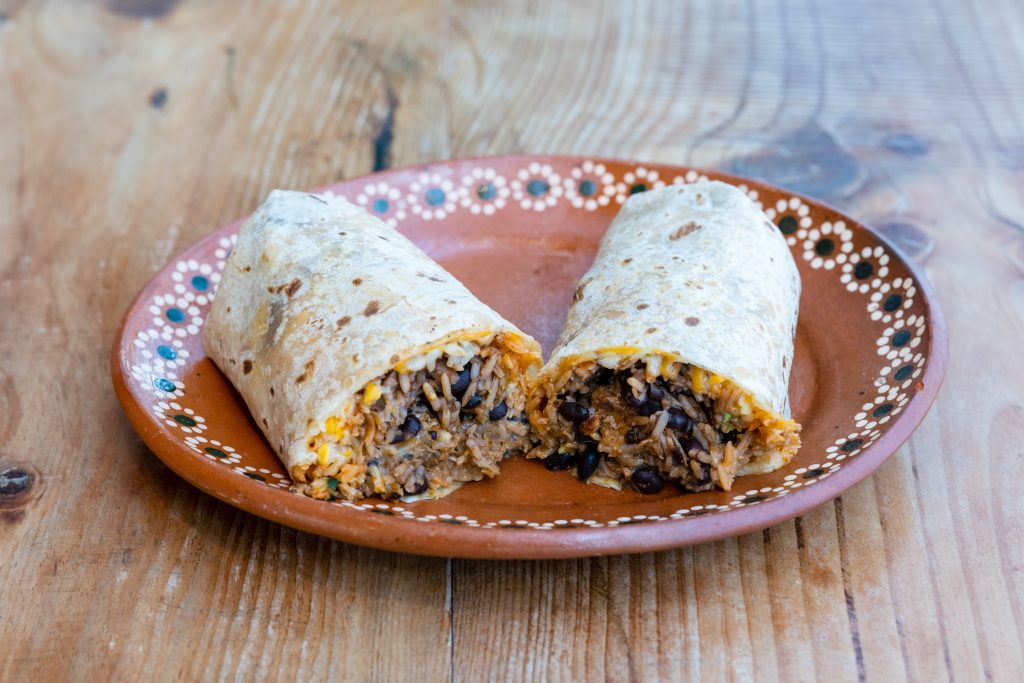
Burritos are one of the most convenient freezer meals you can make, but many people end up with soggy tortillas, watery fillings, or disappointing texture after reheating. The good news is this is usually not a burrito problem — it is a moisture control problem. In this guide, you’ll learn how to freeze burritos for meal prep the right way so they stay structured, flavorful, and reheat beautifully.
How to Freeze Burritos for Meal Prep (Quick Answer)
To freeze burritos for meal prep without them getting soggy:
- Use cooled ingredients before assembling
- Drain excess moisture from meat, beans, and vegetables
- Layer ingredients strategically: tortilla → starch → protein → sauce → toppings → cheese
- Wrap burritos tightly in parchment paper and foil
- Freeze quickly on a baking sheet first
- Store in an airtight bag or container
- Reheat with controlled heat using a microwave or oven
When moisture is managed properly, burritos become one of the best freezer meals for meal prep.
Disclosure: This article may contain affiliate links. As an Amazon Associate, I earn from qualifying purchases at no extra cost to you.
Burritos for Freezer Meal Prep
Burritos are one of the best freezer meal options you can make at home. They’re versatile, convenient, and can hold all your essential meal components in one place.
The problem is texture.
If you’ve ever frozen a burrito and reheated it only to end up with a soggy tortilla or watery filling, you’ve seen what happens when moisture isn’t controlled.
The good news is this is completely avoidable.
With a little technique and the right system, burritos can freeze and reheat just as well as any other freezer meal.
Why Burritos Get Soggy After Freezing
Burritos get soggy after freezing primarily because of moisture migration. There are a few contributing factors, but this is the main one — so let’s break it down.
There are two types of moisture migration:
• Internal migration — moisture moving between components within the food itself
• External migration — moisture moving between the food and its surrounding environment
For burritos, both are a problem.
When your burrito enters the freezer, water naturally moves outward toward the tortilla and wrapping. As it reaches the surface, it freezes and forms frost or ice crystals.
When the burrito is reheated, that migrated moisture melts. It doesn’t reintegrate cleanly — it pools, dilutes flavor, and softens the tortilla.
Another major contributor is ice crystal formation, both inside the burrito and on its surface. These form from excess moisture and exposure to cold air, and in worse cases, lead to freezer burn.
Ice crystals damage cell walls. When reheated, that damage releases additional moisture, accelerating texture breakdown.
The slower your burrito freezes — or the more temperature fluctuations it experiences — the larger those ice crystals become.
Larger crystals mean more structural damage.
And more structural damage means one thing:
A soggy burrito.
The Best Ingredients for Freezer Burritos
The best ingredients for freezer burritos are easiest to understand when broken into four core components: protein, starch, vegetables, and sauce. The key is choosing ingredients that freeze well, reheat well, and limit unwanted moisture inside the burrito.
Proteins
Ground and shredded proteins tend to reheat more evenly than large chunks and distribute moisture better throughout the filling.
Starches
- Rice (jasmine works well when not too dry or mushy)
- Potatoes (Yukon Gold hold shape and texture well)
- Sweet potato (naturally dense and holds flavor well)
- Beans (pinto or black beans, creamy and filling)
Starches help absorb and stabilize moisture, making them an important structural part of the burrito.
Vegetables
- Corn
- Onions
- Peppers
- Garlic
- Mushrooms
- Carrot
These vegetables generally freeze and reheat well when cooked first and used in moderate amounts.
Sauce
- Salsa (thick and reduced)
- Enchilada sauce (made with a freezer-friendly base)
- Hot sauce
- Cheese (which can function as a sauce when melted)
Sauce should add flavor without introducing excess water. Thicker sauces are usually the better choice for freezer burritos.
Each of these components is selected using the Cook Once Eat Later freezer meal system. The proteins, starches, and vegetables listed are reliable choices for preserving texture and controlling moisture after reheating, while the sauces are selected for stability so they hold together instead of breaking down and creating excess moisture.
Want the complete freezer meal system? Get the free blueprint.
How to Prepare Burritos Before Freezing (Critical Step)
Preparing burritos for freezing is easy. It just requires a little structure and technique, which we’ll go over below. Most of the process keeps one simple thing in mind: moisture control.
This starts with making sure all of your components are properly cooled and strained before you begin assembling your burrito. This is best done by placing cooked components in steel mixing bowls and allowing them to cool in the fridge. A strainer or wire rack can also be helpful for cooling or draining.
View Recommended Mixing Bowls
View Recommended Sheet Pans
View Recommended Wire Racks
Once cooled, strain away any excess liquid. This helps control the moisture going into your burrito and prevents it from getting mushy during freezing and reheating.
The next part of the process is assembly. Layering your components in a specific order helps prevent moisture migration and further mushiness.
Best Freezer Burrito Build
Tortilla → Starch → Protein → Sauce → Toppings → Cheese
This order helps protect the tortilla, absorb excess moisture, and keep the burrito structured after reheating.
Start With the Tortilla
The first part of the assembly is your tortilla. Do not toast your tortilla before assembling, as you want it flexible so it does not crack when rolled.
As for the type of tortilla, stick with a flour tortilla over corn, as it will hold its structure better during freezing and reheating.
Add the Starch Base
Once the tortilla is laid out, begin by placing your starch component onto the tortilla. Doing this first helps absorb any moisture that may be trapped in the following components.
Think of it as the strong foundation you are building on.
Add the Protein
Your protein component should be the next layer. This allows excess moisture to be absorbed by the starch, while the remaining layers help balance any additional moisture released during reheating.
Add the Sauce to the Center
This stage is where it is best to add your sauce. Adding sauce here keeps it in the middle of the burrito, where it has the least contact with the tortilla.
This helps preserve texture and integrity while also making sure every bite gets a hit of flavor.
Add Toppings
Any additional toppings you have prepared for your burrito should come next. This creates another layer over the sauce, helping prevent it from softening the tortilla.
Finish With Cheese
The last thing to add should be your cheese. Saving this for last is strategic because when it is dry, it can absorb some moisture similar to your starch.
When reheated, it creates a gooey layer that helps stop built-up moisture from reaching the tortilla.
How to Wrap a Burrito for Freezing
Wrapping your burritos for freezing is simple and helps keep them protected in the freezer while making them easier to reheat.
Before you begin wrapping, I always recommend quickly toasting the burritos in a pan for a minute or two per side after they’ve been rolled. This creates a firmer exterior that can further help prevent a mushy tortilla later on. This step is not necessary, but it is recommended.
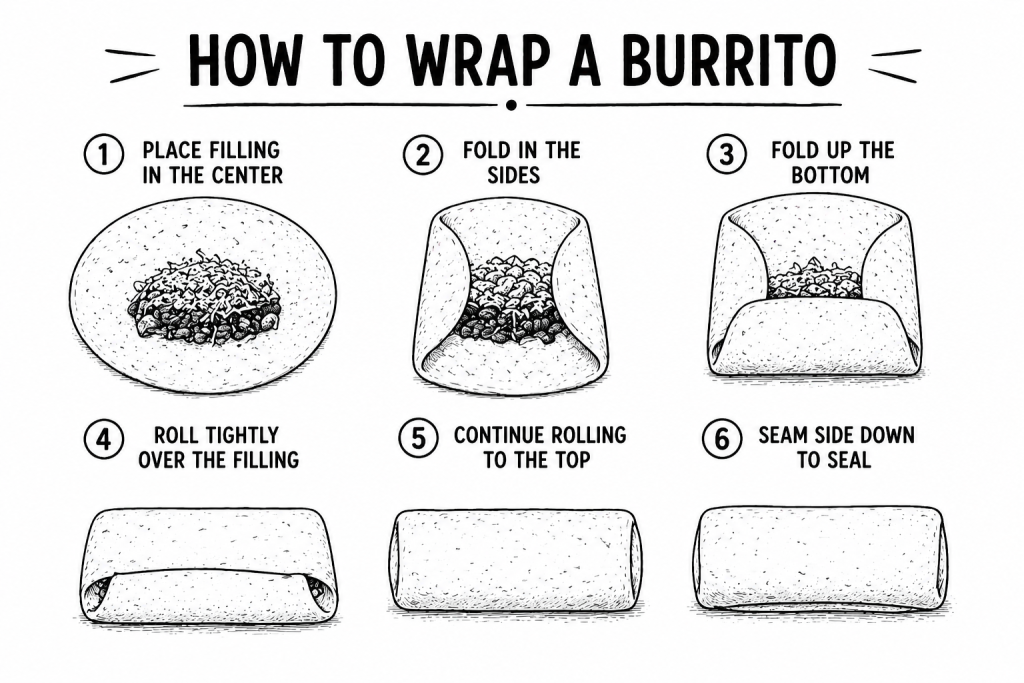
Start With a Tight Roll
First, roll your burritos tightly. Doing this helps prevent air pockets and creates a secure burrito that is less likely to fall apart during freezing or reheating.
If you are unsure how to roll a burrito properly, I’ve added a simple image below that you can follow.
First Layer: Parchment Paper
Once the burrito is rolled, place it on a square piece of parchment paper and wrap it tightly.
Wrapping in parchment paper first adds extra protection from freezer burn and cold air exposure. It also helps the burrito reheat more evenly, which we’ll cover in the next section of the article.
Second Layer: Tinfoil
After the burrito has been wrapped in parchment paper, repeat the process with a layer of tinfoil. This becomes the outside packaging of your burrito.
Tinfoil is more pliable and can form tightly to the exact shape of the burrito. This helps protect it from cold air and gives added defense against freezer burn.
Final Step
Your burrito is now properly wrapped for the freezer. As a final touch, you can label and date the tinfoil if you find it helpful.

Freezing Burritos Properly
Freezing your burritos properly at this stage is effortless, as the technical work has already been done.
Freeze Them Quickly
The first thing you want to do is freeze them as quickly as possible. I recommend laying each burrito flat on a baking sheet and placing it directly into the freezer.
The faster burritos freeze, the smaller the ice crystals that form inside them will be. Smaller ice crystals cause less structural damage and help preserve texture during reheating.
A slower freezing process creates larger ice crystals, which can rupture cell walls and cause the structure of your food to break down. This often leads to softer textures and excess moisture when reheated.
Store Them Properly
Once your burritos are fully frozen, place them in a large reusable silicone freezer bag for safe long storage.
These are the bags I use, I use them for everything including burritos.
View recommended reusable silicone freezer bags.
This gives them added protection from cold air exposure and freezer burn while helping preserve quality over time.
Keep Them at the Back of the Freezer
Store your burritos toward the back of the freezer whenever possible. The back of the freezer tends to hold a more stable temperature, while the front is exposed to warmer air every time the door is opened.
Keeping them in a colder, more consistent area helps maintain texture and overall quality.
How to Reheat Frozen Burritos Without Sogginess
Reheating your burritos without them getting soggy can be tricky. The good news is you’ve already used the proper components, structured your burrito correctly, and wrapped it properly using the Cook Once Eat Later freezer meal system.
That means better ingredients, moisture control, and preserved texture.
Method 1: Microwave (Fastest and Easiest)
The easiest way to reheat your frozen burrito is in the microwave. This is my go-to option because it is simple and effective.
Start by removing the tinfoil completely, but leave the parchment paper on. Open the ends of the parchment paper and place the burrito in the microwave.
Doing this helps heat the burrito internally faster, prevents it from drying out, and gives you a wrapper to hold while eating. The parchment paper helps trap steam, which supports moisture retention and more even heating.
Typical cooking times are between 3 and 5 minutes, depending on the size of your burrito and the strength of your microwave.
If possible, flip the burrito halfway through reheating. This helps prevent moisture buildup and encourages more even heating.
Method 2: Oven (Best Texture)
The next option is reheating your burrito in the oven at roughly 350°F (175°C).
This method takes longer, usually around 25 to 30 minutes, but helps preserve more of the burrito’s texture.
Leave the burrito wrapped during the first stage of cooking. This creates a similar effect to leaving the parchment paper on in the microwave, allowing the inside to heat while protecting moisture.
Once the burrito is heated through, remove the wrapping and place it back in the oven for a few more minutes. This allows the outside to crisp up while the inside stays hot and soft.
Keeping the wrapping on during the initial heating stage is important. Removing it too early can cause the outside to overcook while the center stays cold.
Common Burrito Freezing Mistakes
The most common burrito freezing mistakes include:
- Using the wrong components
- Forgetting to cool your ingredients
- Forgetting to strain excess moisture
- Using the wrong type of tortilla
- Layering your burrito out of order
- Wrapping your burrito too loosely
- Not freezing your burrito properly
- Reheating too aggressively
A burrito that reheats properly is a burrito that was built with structure and a system.
If you follow the Cook Once Eat Later freezer meal system, you should have no problem avoiding these common mistakes.
Final Thoughts
Burritos do not become soggy because they are bad freezer meals. They become soggy because moisture was not controlled somewhere in the process.
When you choose the right ingredients, cool and layer them properly, wrap them tightly, freeze them quickly, and reheat them the right way, burritos become one of the best freezer meals you can make.
They are affordable, convenient, versatile, and easy to keep on hand for busy days.
If you follow the Cook Once Eat Later freezer meal system, you can build burritos that hold their texture, keep their flavor, and reheat the way a freezer meal should.
Looking for the tools behind this system?
View Recommended Tools
About the Author
Here at Cook Once Eat Later we share freezer meal recipes, meal prep systems, and practical freezing guides designed to help busy people save time without sacrificing flavor. Our focus is helping meals retain their texture, moisture, and quality long after they’ve been frozen.
Follow Cook Once Eat Later on Instagram for freezer meal tips, recipes, and meal prep inspiration.
FAQ
Can you freeze burritos for meal prep?
Yes, burritos freeze very well when built properly. Use cooled fillings, avoid excess moisture, wrap tightly, and freeze quickly for the best results.
Why do frozen burritos get soggy?
Frozen burritos usually get soggy because of excess moisture from wet ingredients, trapped steam, or poor reheating methods. Moisture softens the tortilla and weakens texture.
How long do frozen burritos last?
Frozen burritos are best enjoyed within 2 to 3 months for top quality, though they can remain safe longer when stored properly.
What is the best way to reheat a frozen burrito?
The microwave is fastest and most convenient, while the oven gives the best texture. Microwave first for speed or finish in the oven or pan for a crisp exterior.
Should I thaw frozen burritos first?
No, burritos can be reheated directly from frozen. Thawing first may shorten cooking time but is not required.
What tortilla is best for freezer burritos?
Flour tortillas are usually best because they stay flexible and hold together better than corn tortillas after freezing and reheating.